








Why Active Holidays Can Feel More Restful Than Doing Nothing
When you feel the urge to spend your annual leave horizontally on a sun lounger, you often finish the week with an uneasy sense of lethargy rather than true restoration. While the idea of total inactivity sounds appealing during a stressful week at the office, this approach usually backfires. A stationary mind tends to dwell on your workplace stressors or your domestic to-do lists because you haven’t given it anything else to process. You might find yourself scrolling through your phone simply to occupy your thoughts, which only adds to your mental clutter.
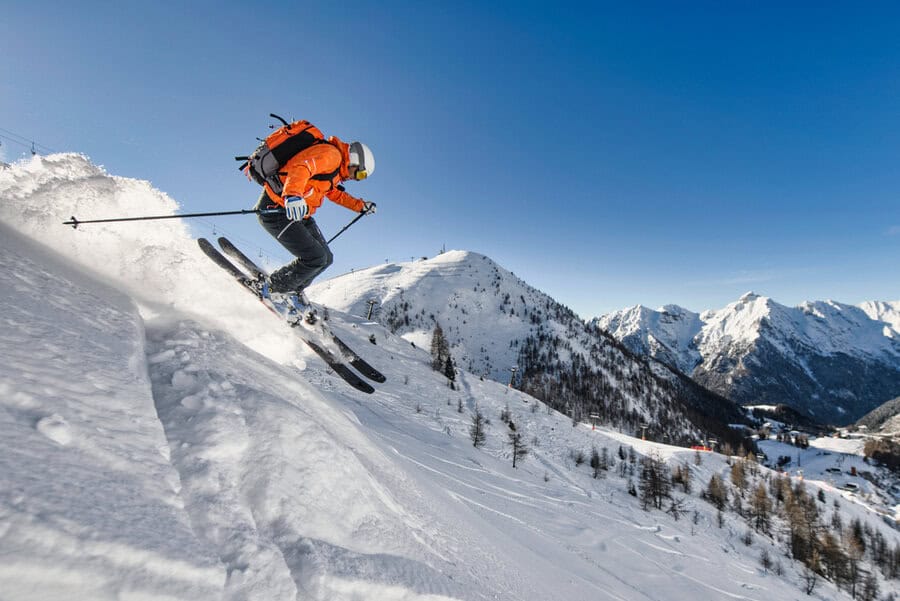
When you choose a ski holiday, you offer yourself a powerful alternative. You demand your own full attention, which effectively crowds out the mental noise of everyday life. The immediate, exhilarating requirements of the mountain force you to stay in the present moment. Instead of passively waiting for your energy to return, you actively generate a new kind of vitality by engaging with the environment around you.
1. Achieve a State of Psychological Flow
As you navigate a mountain slope, your constant need for balance and coordination triggers a state of “flow.” You experience a psychological phenomenon where you focus singularly and intensely on the snow beneath your feet. You lose track of the hours because the task of reading the terrain and managing your speed absorbs all your cognitive resources. This mental state prevents you from worrying about emails or upcoming deadlines because your brain must prioritise the immediate physical challenge.
To reach this state more effectively, you should select runs that challenge your current skill level without overwhelming your ability. This total mental immersion acts as a deep cleanse for your neural pathways. You return to the chalet feeling refreshed because you physically forced your mind to stop ruminating on the past or future. When you focus on a single, rhythmic action, you give your prefrontal cortex a much-needed break from the complex decision-making that defines your working life.
2. Use Physical Tiredness to Improve Sleep Quality
Sedentary breaks often disrupt your natural circadian rhythms, which leads to restless nights and a “holiday hangover” when you return home. In contrast, you will notice that a day spent in the crisp, high-altitude air leaves you with a productive kind of exhaustion. Moving your body throughout the day helps you fall asleep faster and stay asleep longer than if you had spent the afternoon napping by a pool.
When you feel physically tired, your body enters deeper, more consistent sleep cycles so it can repair your muscles properly. You can maximise this benefit by avoiding your digital devices for an hour after you leave the slopes. By the end of the week, you wake up genuinely restored because you replaced excessive screen time with meaningful daytime movement. This deep rest ensures that you return to your routine with a sharp mind and a steady heart rate, rather than the grogginess that follows a week of inactivity.
3. Boost Mood Through Natural Endorphins
Moving your body in cold, bright environments triggers a significant release of dopamine and endorphins. While stationary holidays feel pleasant, they cannot replicate the chemical shift that happens when you move through a vast, natural landscape. Scientists often discuss the “biophilia effect,” where nature helps you lower your heart rate and reduce cortisol levels. You might notice this most clearly when you stop at a viewpoint to take in the immense scale of the mountain peaks.
These hormonal shifts provide a sustained mood lift that carries over into your first week back at the office. The combination of sunlight and physical exertion creates a chemical buffer that makes the transition back to your daily routine feel much smoother. Instead of dreading your return, you approach your tasks with the calm confidence that follows a successful physical feat. Observe how your perspective shifts as you look down from a summit, realising that your daily worries seem much smaller from such a height.
4. Replace Routine With Novelty
Your brain craves new stimuli to break the monotony of a standard 9-to-5 schedule. When you engage in an active sport, you provide your senses with a constant stream of fresh sights, sounds, and physical sensations. This high level of novelty actually stretches your perception of time, making your time off feel more substantial. You create many distinct, vivid memories, which makes a one-week active break feel significantly longer than a fortnight spent in a familiar environment.
5. Foster Social Bonding Through Shared Goals
Shared physical challenges create far stronger emotional connections with your travel companions than sitting together in silence. Whether you navigate a tricky blue run or learn to snowboard for the first time, you build lasting memories by encouraging each other through the difficult parts of the day. These experiences turn your friends or family into a supportive team. You develop a unique shorthand of jokes and stories based on the day’s events, which strengthens your relationships.
Celebrating your collective achievements during après-ski reinforces a sense of social belonging. These meaningful interactions boost your emotional resilience, which stays with you long after you have packed away your gear. Instead of returning home feeling isolated, you arrive back with a sense of connection that improves your overall well-being.

Sara Essop is a travel blogger and writer based in South Africa. She writes about family travel and experiences around the world. Although she has been to 53 countries thus far, she especially loves showcasing her beautiful country and is a certified South Africa Specialist.









Discussion about this post