
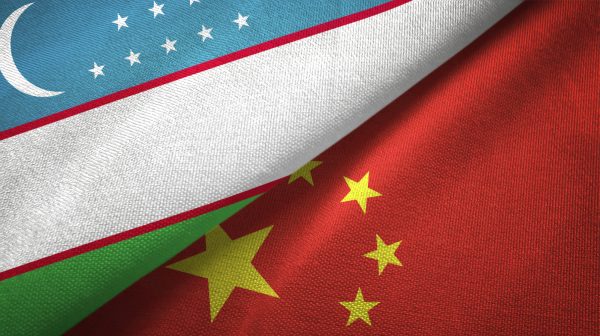
Sinophobia has been noticeably on the rise in Uzbekistan in recent weeks, especially on social media. Increasing viral content about unverified land sales to Chinese investors and the increased visibility of Chinese businesses and cultural elements has sparked an intense discussion. The ongoing discussion reflects a growing social divide in the country. Some people are alarmed by the implications of Chinese investments, fearing they might lead to a loss of economic sovereignty and cultural identity. Others welcome the investments as crucial for economic modernization and growth.
Uzbek government officials have tried to reassure the public by emphasizing the importance of Chinese investment in the country’s development. Still, Sinophobia seems to be enduring despite these assurances, which highlights deep-rooted worries about external debt, local businesses, economic sovereignty, and the preservation of Uzbek culture. This sets the stage for a broader discussion on how Uzbekistan should navigate its foreign investment and public concerns amidst the growing Chinese economic presence in the Central Asian region.
China’s Expanding Presence in Uzbekistan
China’s economic influence in the Central Asian countries, particularly Kazakhstan, Kyrgyzstan, and Tajikistan, has been a topic of discussion for years. However, the discussion of Chinese expansion in Uzbekistan had been relatively rare until a few years ago. Recent important changes, particularly strategic shifts in Chinese investment policy toward Central Asia and Uzbekistan’s economic approach, have further accelerated this trend. After Uzbekistan gained its independence in 1991, China focused on importing natural resources and a few agricultural products, such as cotton, from the country. Years later, the launch of the Belt and Road Initiative (BRI) by President Xi Jinping marked a pivot toward he construction and upgrading of infrastructure through government loans aimed at increased regional trade.
The shift in Chinese policy was not just strategic; it also responded to the evolving needs of Central Asian countries. Over the years, Uzbekistan and other countries in the region began to prioritize direct investments over government-to-government loans. At the same time, Chinese firms had to shift their focus from extraction to development to meet local demands. This included modernizing agricultural practices, constructing factories, and creating raw material processing facilities. This change also mirrored a shifting dynamic in China, as businesses began to look overseas for market opportunities in the face of rising labor costs and industrial overcapacity at home.
The increasing Chinese economic presence in Uzbekistan has resulted from the economic opening initiated by President Shavkat Mirziyoyev after he came to power in 2016. Since then, Mirziyoyev’s administration has targeted specific sectors for development, as outlined in Uzbekistan’s 2035 development strategy, which emphasizes the modernization of the energy sector and expansion of the agricultural and textile sectors. The result has been to increase significantly China’s involvement in the nation’s economy.
Mirziyoyev visited China in 2024 to meet with Xi and the two nations signed multiple agreements that further enriched their strategic partnership. The visit elevated the partnership to an “all-weather” strategic level that deepened ties through increased bilateral trade and cooperation across sectors, including technology and infrastructure. Since 2000, trade between Uzbekistan and China has surged, reaching $13.1 billion in 2024, around 19 percent of Uzbekistan’s total trade turnover.
The elevated partnership, business-friendly regulations, and visa-free policies have positioned Uzbekistan as a prime destination for Chinese investment. Seizing the new opportunities on offer, Chinese companies have started to invest in sectors such as construction, consumer goods, agriculture, and green energy. Over the past few years, Chinese businesses in Tashkent have become increasingly visible via Chinese-made products, business ventures, and real estate projects. This can be seen in the spike in the number of Chinese companies in Uzbekistan, which reached 3,467 in 2025 from 2,432 in the previous year, surpassing the number of Russian companies. Chinese companies comprise around 22 percent of all foreign-invested companies that operate in Uzbekistan.
Polarization of Public Opinion
The increasing presence of Chinese businesses and nationals in Uzbekistan has fueled a vibrant public discourse. Surveys over the years have indicated that the Uzbek population has developed an increasingly unfavorable opinion of China. However, a deeper analysis of recent online discussions shows how the Chinese presence has polarized public opinion in Uzbekistan.
Different social groups have voiced support and opposition, highlighting a complex landscape of perceptions and concerns about the Chinese presence in the country.
One such group can be described as “sovereignty advocates” who have an undercurrent of nationalist sentiment. They echo many Uzbeks who perceive the increasing side of China’s economic footprint as a potential threat to national sovereignty, cultural traditions, and the competitiveness of local businesses.
A few weeks ago, a video went viral on social media depicting Chinese people assembling in a national park with banners. Some mistakenly thought it was a rally, when in reality it was a regular running event. The video started an intense debate about the growing number of Chinese nationals in Uzbekistan. Later, other social media channels fueled Sinophobia with reports about how Chinese entities were acquiring properties and land for commercial purposes.
Although officially denied, such allegations have triggered fears that foreign investors, particularly from China, may gain undue control over land and strategic assets in Uzbekistan.
Such concerns came to be closely intertwined with religious sensitivities. In particular, conservatives within the larger group of sovereignty advocates appear to see China’s presence as part of a broader effort to undermine Islamic identity and practices. This perception feeds fears that China’s expanding role could threaten not only cultural identity but also religious freedom in Uzbekistan.
Another group that adds to the worries of the sovereignty advocates are local business owners. Local business owners have long expressed their displeasure with the competitive practices of Chinese companies, claiming that local businesses cannot compete with low-cost Chinese imports and their aggressive pricing strategies. Discussions about ways to mitigate the influence of Chinese companies in the local market are rife among businessmen on social media. Influential Uzbek business figures have actively advocated for unity and cooperation between local enterprises to effectively respond to the growing presence of Chinese entities in Uzbekistan’s economic landscape.
In contrast to the sovereignty advocates, a particular segment of society, which we can call the “liberal advocates,” dismisses such concerns as unfounded and views Chinese investment as a crucial driver of economic progress.
Some liberal-minded economists believe that a genuine worry is that the economic and technological backwardness of Uzbekistan is what makes the country more vulnerable to external influences. They say that some local businesses have traditionally been too reliant on government aid or market protections. Now, they feel threatened by new competitive pressures from Chinese companies. Some therefore argue that the state should not listen to the calls of local entrepreneurs for continued state intervention and market protection. Instead, the government should ensure that fair play rules are applied uniformly to all participants.
“No Reason to Panic”
So far, government officials have proactively dispelled misinformation and addressed public anxieties. Official statements have urged people to view the relationship between China and Uzbekistan within the broader context of the country’s strategic development goals.
For instance, the Ministry of Investments and Foreign Trade highlighted Uzbekistan’s stringent regulatory framework, ensuring that Chinese foreign investments follow rules that forbid land ownership and encourage fair competition. According to the ministry’s statement, Chinese investment primarily focuses on technological and industrial advancements. One example is the BYD automotive plant in Jizzakh, which significantly increased local employment. Similarly, the press secretary to the prime minister of Uzbekistan also addressed concerns regarding Chinese investments, arguing that incoming investment is a testament to an ongoing shift in global investment. He stated that such foreign partnerships do not compromise Uzbekistan’s sovereignty but strengthen its global economic ties.
These official statements suggest that the government wants to sustain strong domestic support for a strategic partnership with China and continue to attract foreign investment. Out of need, Tashkent has been searching for new avenues for investment and trade in every geopolitical direction. The government has dramatically raised expenditures on infrastructure projects in emerging sectors in response to economic difficulties.
This change coincides with the growing unpredictability of traditional economic pillars like natural gas and cotton. Uzbekistan recently went from exporting gas to importing it, and the cotton industry is in danger due to water shortages exacerbated by climate change. External geopolitical factors have caused fluctuations in remittances, another significant source of income.
The government is expanding its economic strategies to change the economy by creating new industries like electric vehicle manufacturing, green energy exports, and mining in response to a significant budget deficit that grows yearly. Chinese investment, which grew to $11 billion between 2017 and 2022, can be viewed as a huge economic benefit amid these changes.
Balancing Economic Growth and Public Sentiment
Uzbekistan needs to strike a careful balance, maintaining strong economic ties with Beijing while addressing public concerns as it embarks on its journey toward economic modernization. This necessitates a strong approach from policymakers that guarantees openness in foreign investment transactions, especially in industries deemed strategic and aids local companies in reducing economic displacement. Public diplomacy is critical to dispel myths and show the advantages of foreign investments while proactively addressing social and cultural issues in the interest of maintaining social cohesion. A comprehensive strategy will be essential to changing the public’s perception of Chinese investments from a possible danger to a clear opportunity for economic growth.


Discussion about this post