
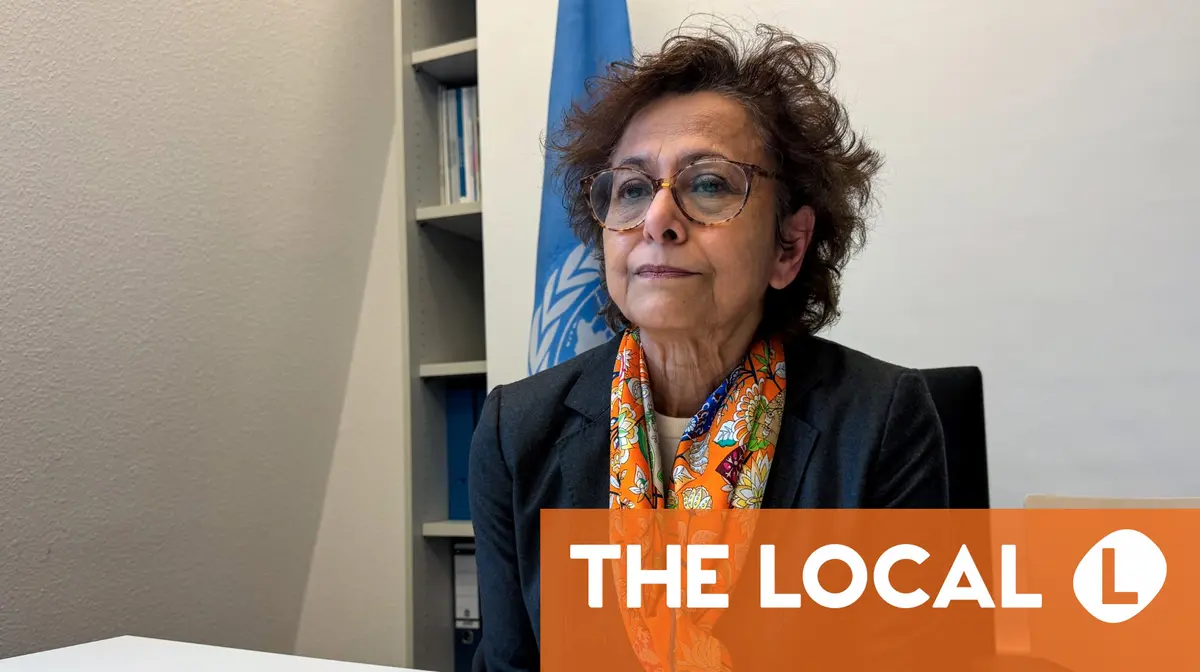
The UN’s special rapporteur on freedom of expression on Friday said hate speech was rising in Germany but the government response was heavy-handed at times.
Germany had seen a “rise of hate speech, Islamophobia, anti-Semitism, vitriolic, anti-migrant and gendered hate speech,” Irene Khan told a Berlin press conference.
While the government was right to take these threats seriously, Khan said counter-measures had sometimes been “inconsistent with international human rights standards”.
“They have generated uncertainty as to the line between protected and prohibited speech and have encouraged stigmatisation and self-censorship,” she said.
In one controversial case in June, a man aged in his 60s had his home searched after sharing an image on X that was insulting to the then economy minister Robert Habeck.
In April, a woman was fined 600 euros (around $700) after defaming then foreign minister Annalena Baerbock as a “terrorist” in a video.
Speaking to AFP, Khan said Germany’s laws designed to let politicians work without fear of harassment were “not a common practice in democracies”.
“If you are a public official, you are the one who is powerful,” she said. “The citizen is disempowered if you use the criminal law then to sue the citizen for criticising you.
“If you are in public life, then you should be ready to accept criticism,” she added. “You should be ready sometimes to accept harsh speech that is awful, but not unlawful.”
Asked about pro-Palestinian demonstrations in Germany, where some states have outlawed the slogan “from the river to the sea”, she said some regions had “got the balance wrong”.
“We have complained about restrictions on speech,” she said. “We have complained about the overuse of police force. We have complained about charges that have been brought.”

Discussion about this post