
Looking for the best things to do in Hué? Read on…
Tucked between the mountains and the sea in central Vietnam, Hué is a city unlike any other in Southeast Asia. Pronounced “hway” this quietly magnificent city served as the imperial capital for over a century and a half, and remains a living monument to a vanished empire. What makes Hué truly special, though, is not any single landmark — it’s the ambience of the city, which makes you feel that you’ve stepped back in time.
When doing my research on Vietnam, the more I read about Hué, the more convinced I became that it should be on our itinerary. In the weeks leading up to our visit, there were severe floods in the region and we briefly considered skipping it. Fortunately, we didn’t. We flew to Hué from Hanoi and spent two nights there, and apart from some light rain, the weather was fine.
9 Best Things to Do in Hué
1. Explore the Imperial Citadel & Forbidden Purple City
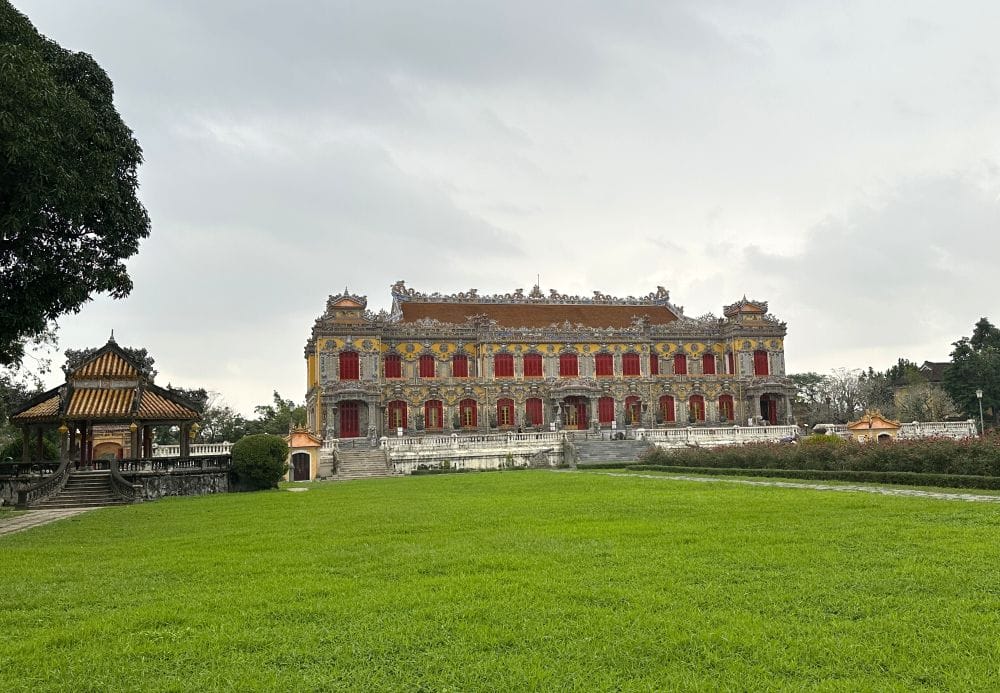
Imperial Palace
No visit to Hué is complete without spending at least half a day wandering the Imperial Citadel, a vast walled complex that once served as the political and cultural heart of unified Vietnam. Modelled after Beijing’s Forbidden City, the Hué Citadel is a UNESCO World Heritage Site and one of the most significant historical monuments in Southeast Asia.
Within the outer citadel walls lies the Forbidden Purple City — the inner sanctum reserved exclusively for the emperor, his concubines, and the royal family. Much of it was damaged or destroyed during the wars of the 20th century, but there is ongoing restoration work.
Tip: The citadel is large — wear comfortable shoes and budget at least three hours.
2. Visit the Royal Tombs
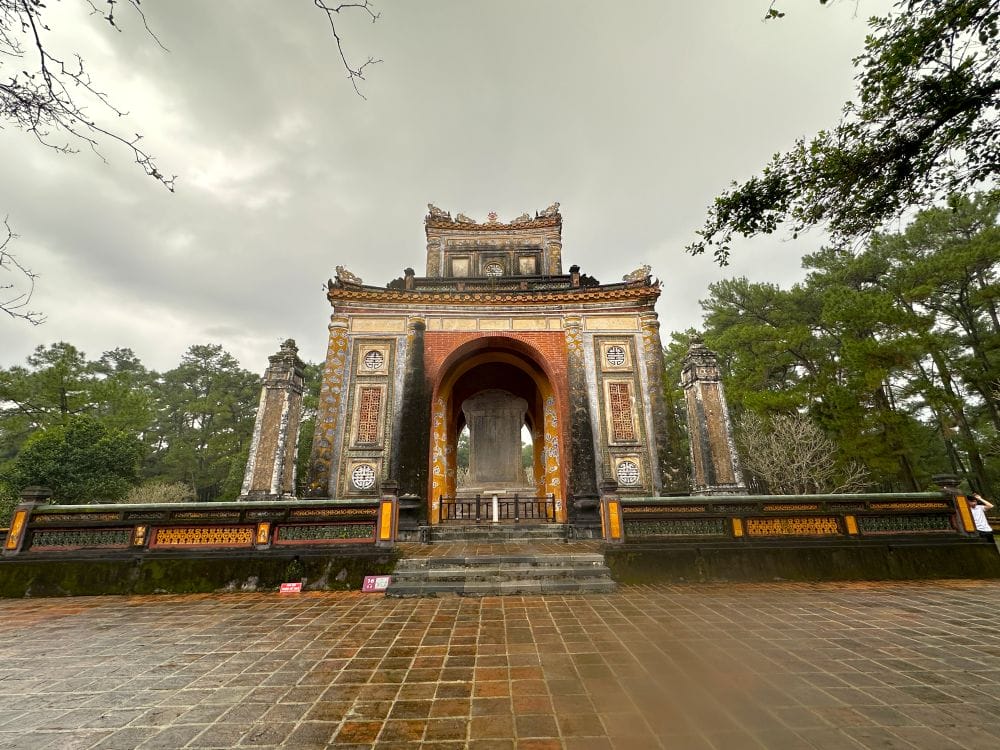
The Tomb of Tự Đức
Scattered across the forested hills south of the city, the royal tombs of the Nguyễn emperors are architectural masterpieces in their own right. Each emperor designed his own tomb during his lifetime, making each one a deeply personal expression of taste, philosophy, and personality. The result is a collection of tomb complexes that are astonishingly varied.
The Tomb of Tự Đức, surrounded by pine forests and a lotus pond, is widely considered the most beautiful. Built between 1864 and 1867 during the emperor’s own lifetime, this serene complex was designed not merely as a burial site but as a private retreat — a place where Tự Đức could escape the pressures of court life to write poetry, fish from a small pavilion, and contemplate life.
The Tomb of Khải Định, by contrast, is a fusion of Vietnamese, French, Chinese, and Hindu architectural influences.
3. Cruise the Perfume River
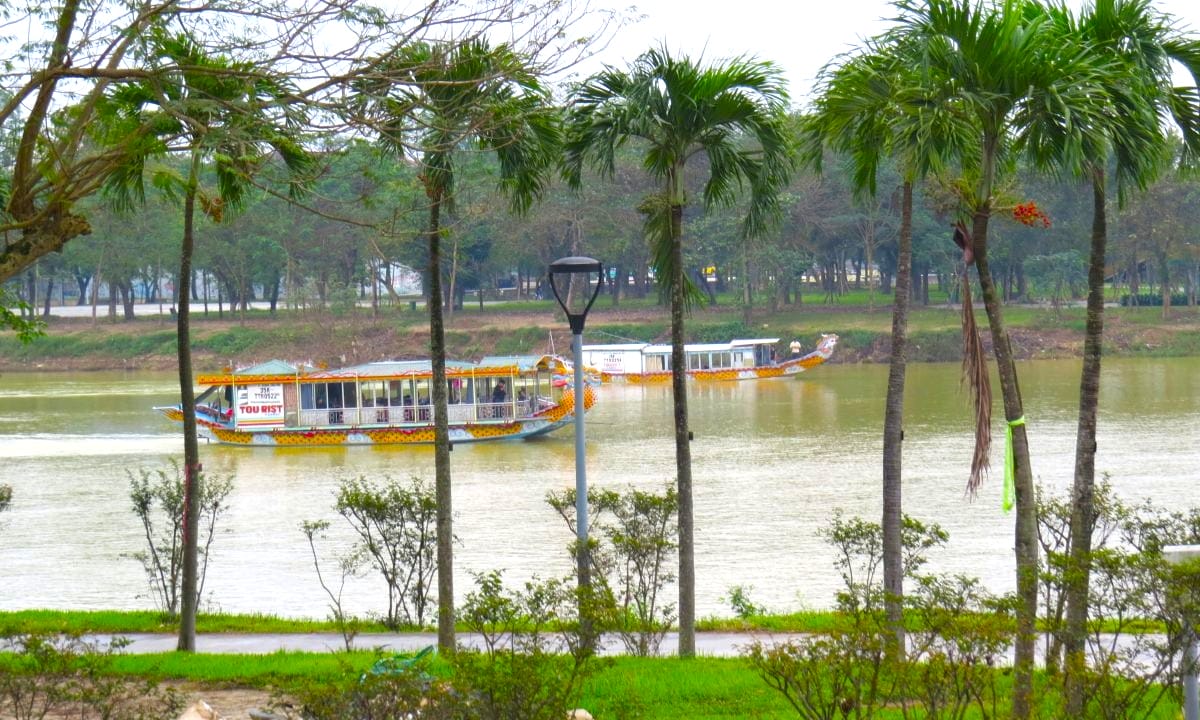
Boats on the Perfume River
The Hương River — known in English as the Perfume River — is so called after the wildflowers that fall into its headwaters in autumn, giving the water a faint, sweet fragrance. It winds through the heart of the city, and a sunset boat cruise along its waters is relaxing. Dragon boats depart from near the Dong Ba Market and can be hired for private or group tours.
4. Climb to Thien Mu Pagoda
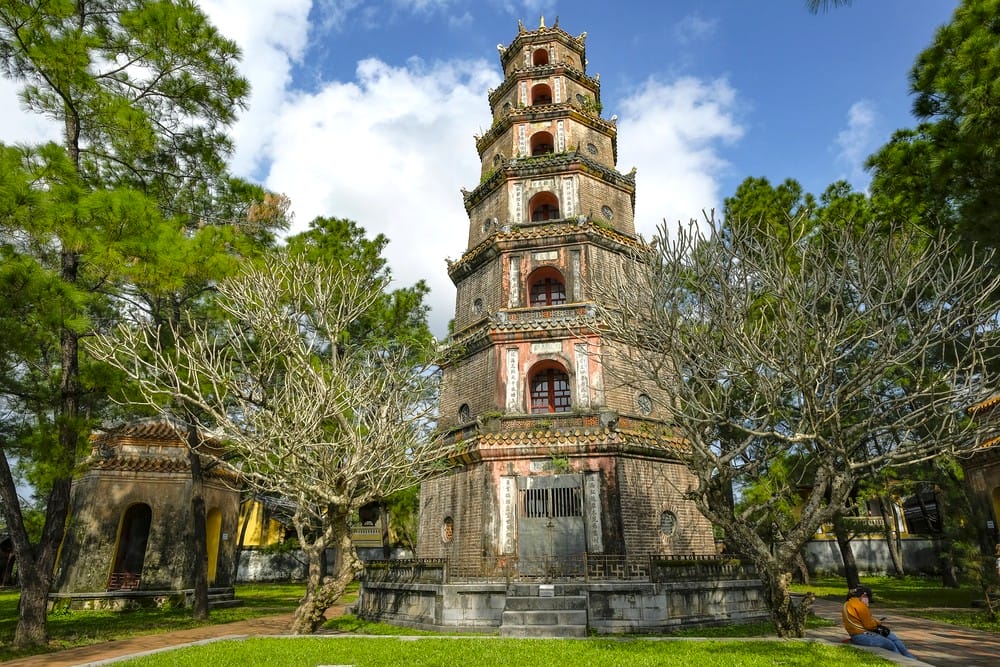
Thien Mu Pagoda (cc: DepositPhotos)
Perched on a hillside overlooking the Perfume River, Thien Mu Pagoda is Hué’s most recognisable landmark — and one of the oldest religious sites in Vietnam, dating back to 1601. The seven-storey Phước Duyên tower rises 21 metres above the riverbank and appears on every postcard of the city for good reason.
5. Shop at Dong Ba Market
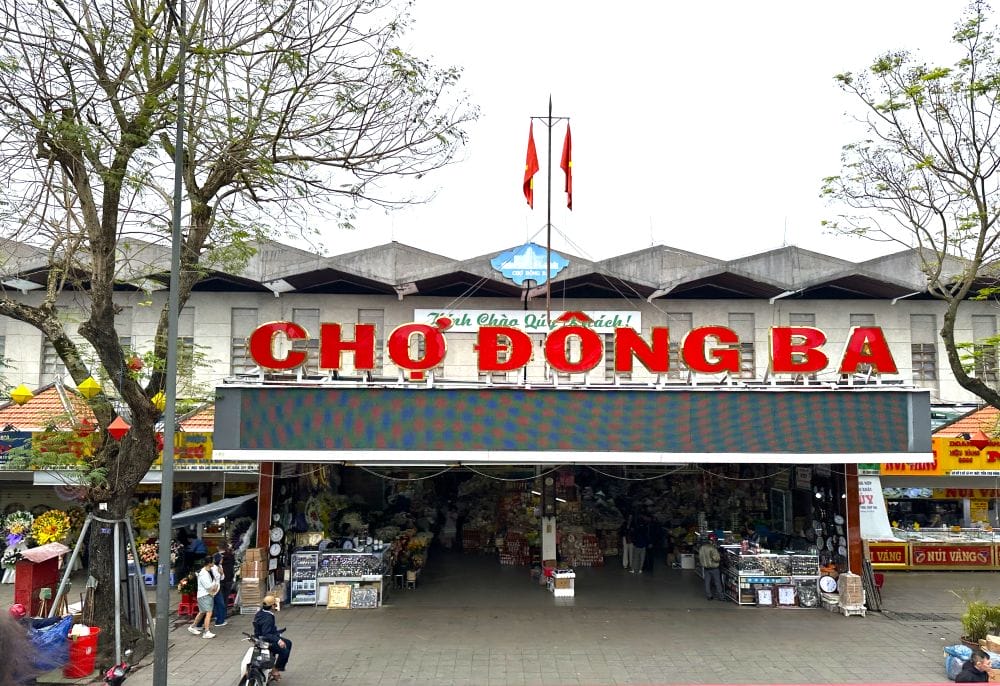
Dong Ba Market
Dong Ba Market, located just outside the Citadel walls on the northern bank of the Perfume River, is Hué’s largest and most vibrant market. It is where locals do their daily shopping. Expect to see mountains of tropical fruit, stalls piled high with dried shrimp and spices, tailors, jewellers, and food vendors cooking fresh dishes to order.
6. Wander the Old Town
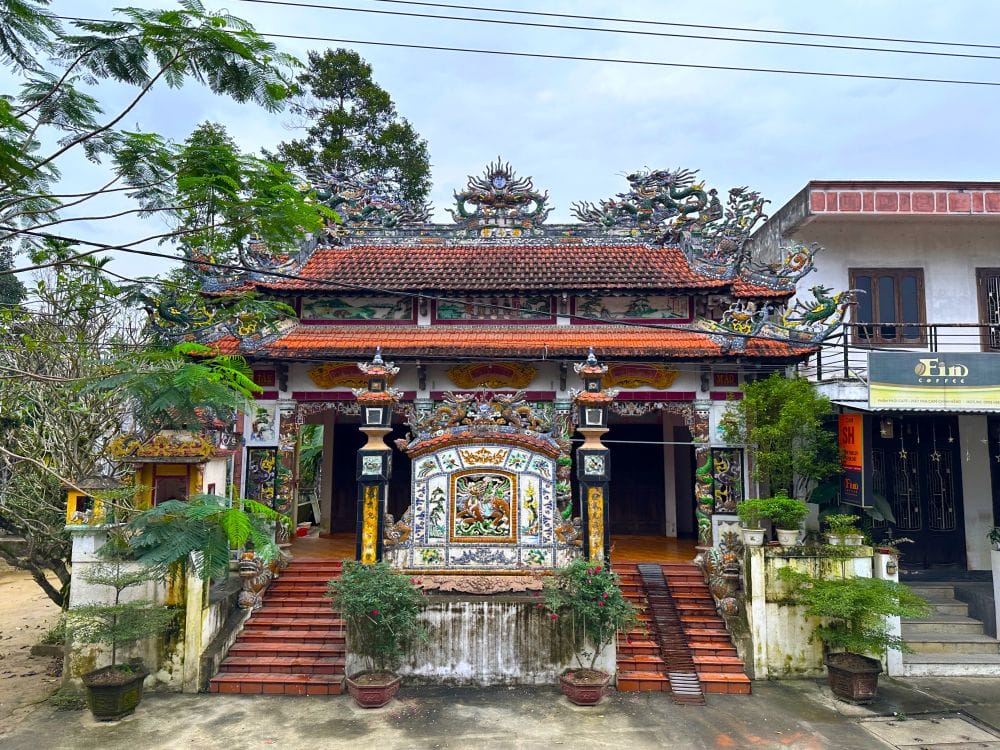
Old Town
Hué’s old town, spread out south of the Citadel, is a pleasure to explore on foot or by bicycle. The streets are quieter than those of Hanoi or Ho Chi Minh City, and are lined with French colonial villas draped in bougainvillea, local coffee shops, and artisan workshops producing traditional Hué crafts — conical hats, incense, silk lanterns, and hand-painted ceramics.
7. Visit the Incense-Making Village of Thủy Xuân
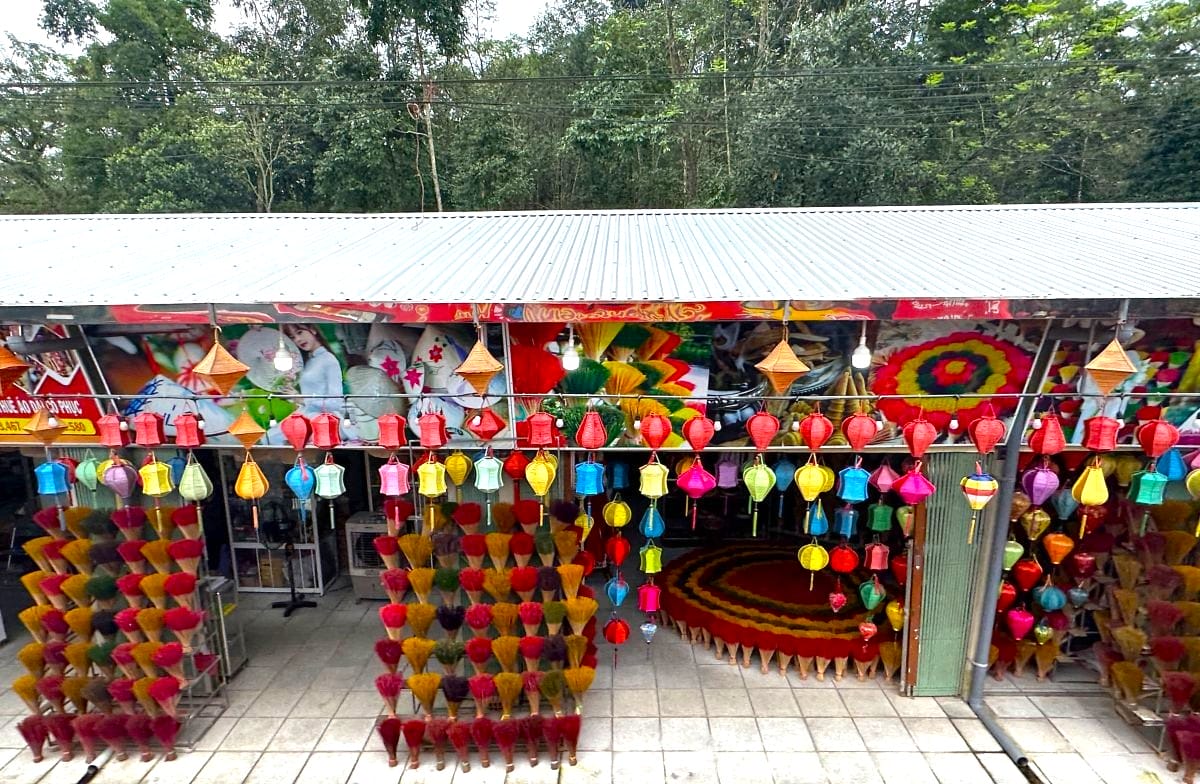
Incense-Making Village of Thủy Xuân
On the road leading to the royal tombs, the village of Thủy Xuân has been producing traditional Vietnamese incense sticks for generations, and a visit here is one of the most visually striking experiences in Hué. Workshops and family compounds line the road, each filled with towering bundles of brightly coloured incense sticks — vivid pinks, purples, reds, and yellows — arranged in great circular fans and fanned out to dry in the sunlight. You can purchase beautifully wrapped incense directly from the makers — they make great souvenirs.
8. Cross the Ancient Covered Bridge at Thanh Toàn
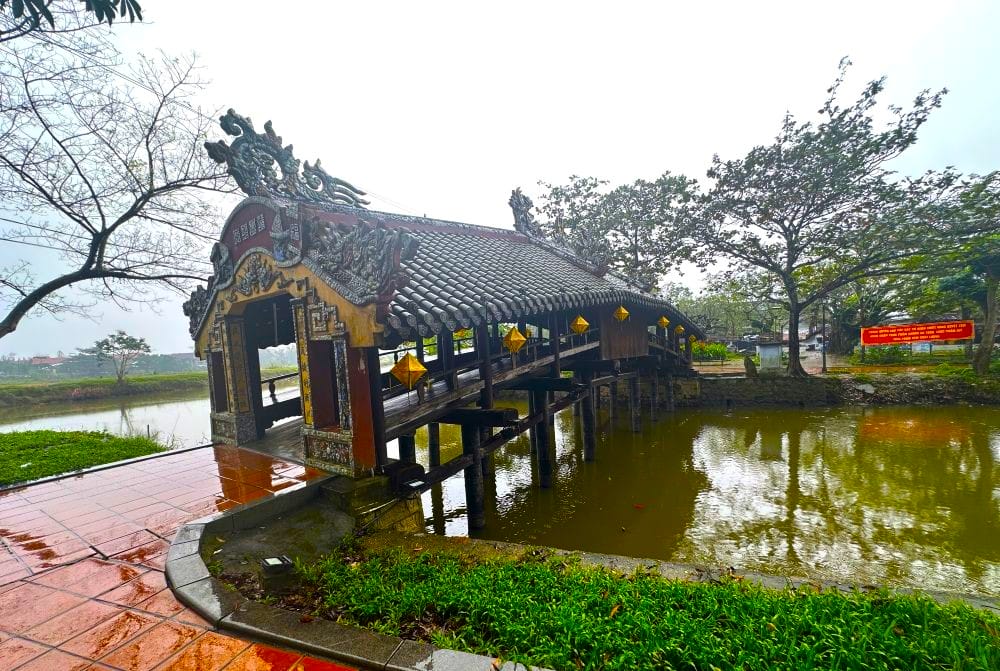
Thanh Toàn Covered Bridge
Just eight kilometres east of the city centre lies the Thanh Toàn Covered Bridge, a beautifully preserved Japanese-style tile-roofed bridge that dates back to the 18th century. Built in 1776 by a woman from the village who wished to provide shade and shelter for local farmers, it has been used continuously ever since. The bridge arches over a narrow canal in the middle of a patchwork of rice paddies. Alongside the bridge, a small museum displays traditional agricultural tools and objects from everyday village life in central Vietnam.
9. Visit the Local Market
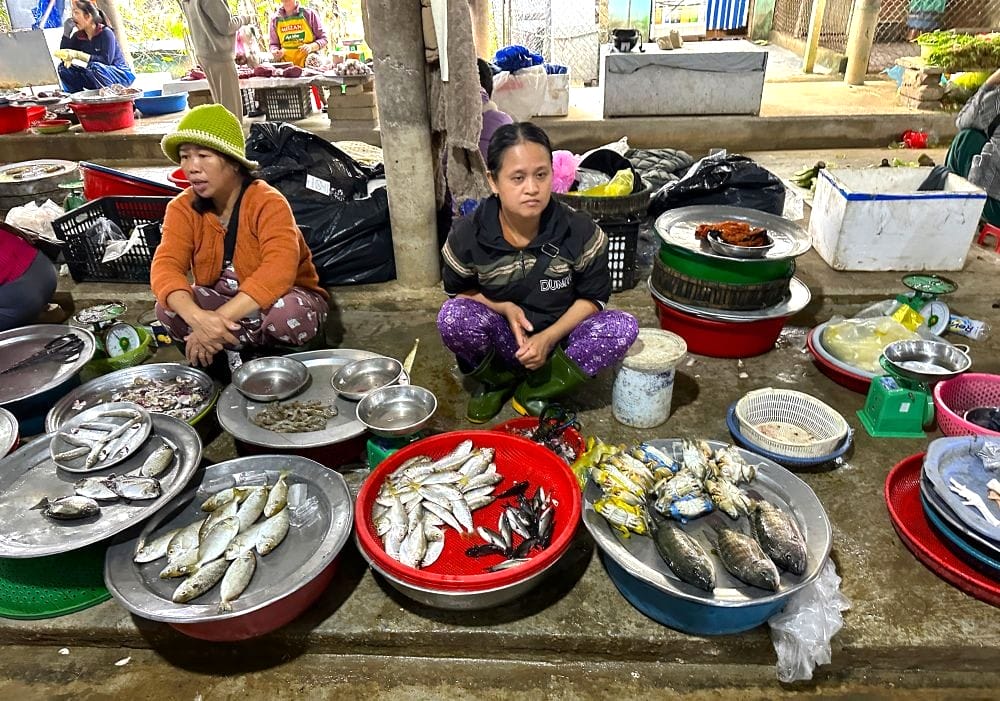
Thanh Toàn local market
Right beside the bridge, the Thanh Toàn local market is an authentic slice of rural Vietnamese life. Unlike the large city markets that have grown accustomed to tourists, this one operates almost entirely for the villagers themselves — farmers selling freshly harvested vegetables, fishermen laying out their morning catch, and older women bartering over bundles of herbs and dried goods. The market is small, unhurried, and completely unpretentious. You’ll find seasonal produce, homemade rice cakes, local snacks, and handmade goods that rarely make it to city shelves.
How to get to Hué
Hué has its own international airport (Phú Bài) which you can fly into, or you can take the train journey from Hanoi (12–14 hours) or Da Nang (2.5 hours).
We flew to Hué from Hanoi. We then took a bus tour from Hué to Hoi An, stopping at sights along the way.
How to get around in Hué
Hop On the Hué Sightseeing Bus
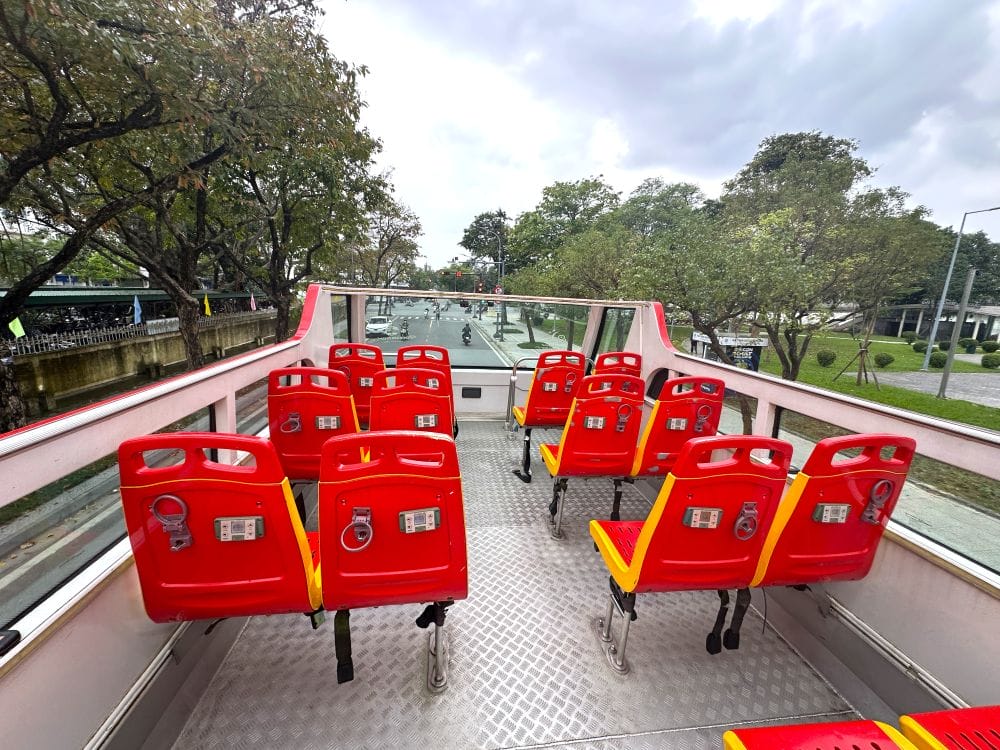
hop-on, hop-off bus
We used the Hué sightseeing bus to get a great overview of the city. It was an easy and efficient way to get our bearings. The open-top hop-on, hop-off bus connects many of the city’s major attractions, including the Imperial City, key pagodas and several royal tombs, making it ideal if you’re short on time, like us. Commentary is provided in multiple languages, giving useful historical context as you ride through the city. We sat on the upper deck and got great views. When it began raining, the friendly on-board attendant gave us disposable rain ponchos and conical Vietnamese hats to wear.
Other options are to rent a motorcycle or use Grab, the country’s most popular ride-hailing app.
The Best Time to Visit Hué
The best time to visit is from February to August, when central Vietnam is dry and warm.
For more information, visit the Hop-On Hop-Off Hue Bus or book here.

Sara Essop is a travel blogger and writer based in South Africa. She writes about family travel and experiences around the world. Although she has been to 53 countries thus far, she especially loves showcasing her beautiful country and is a certified South Africa Specialist.