








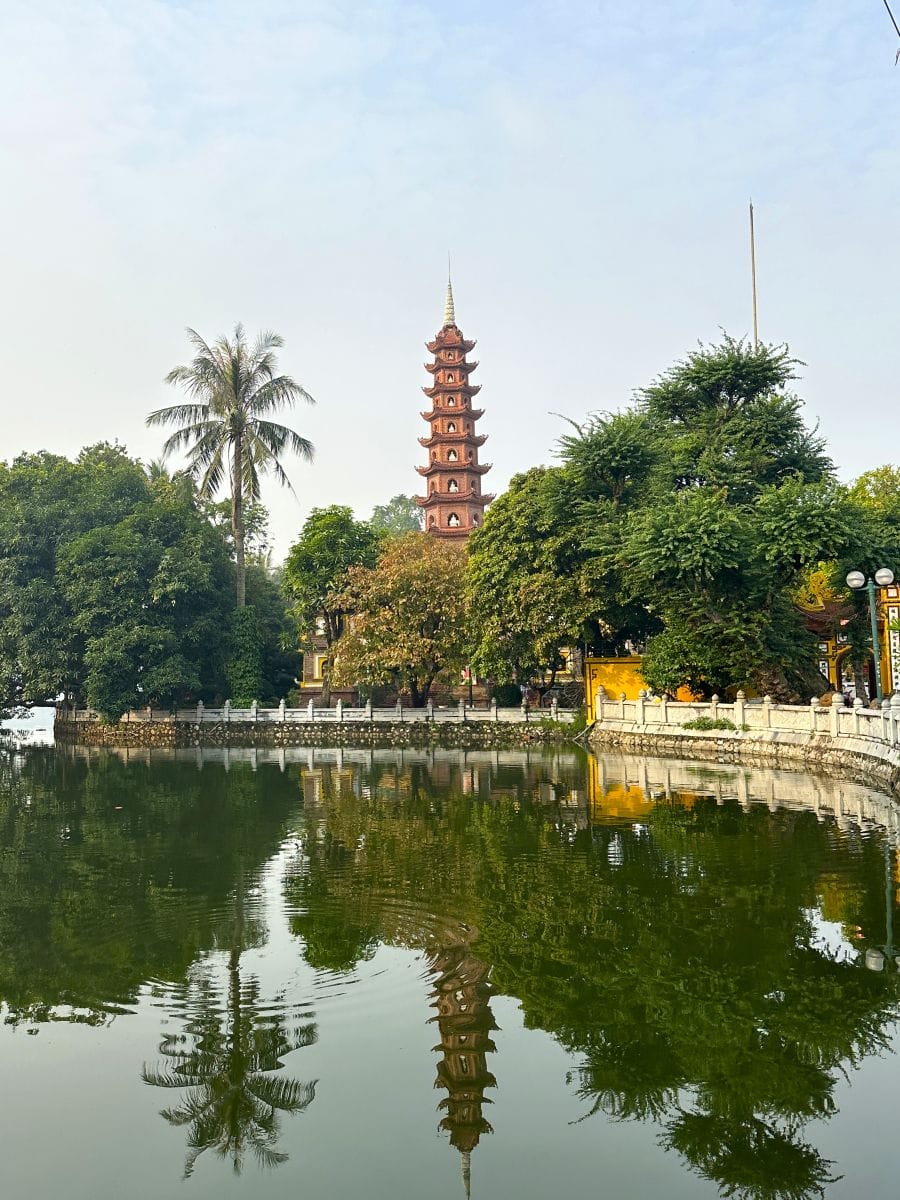
Vietnam’s capital is a 1000-year-old city of striking contradictions. Buddhist monks in saffron robes walk past teenagers on electric scooters scrolling on their phones. Ancient temples stand between French colonial facades and bubble tea shops. Street vendors in conical hats sell hand-woven baskets in the shadow of glass-and-steel towers.
The city is both traditional and modern. The one constant though, is the perpetual roar of motorcycles. Hanoi has more motorbikes per square kilometre than almost any other city on earth and learning to cross its streets is a necessity for every first-time visitor. The trick, locals will tell you, is to walk slowly and steadily and trust the traffic to flow around you. It does. We tried it and it worked, even though it felt like a near-death experience at the time.
13 Best Things to Do in Hanoi, Vietnam
1. Hanoi Old Quarter
Hanoi Old Quarter at night
The 36 streets of the Old Quarter are Hanoi’s ancient commercial heart. Each street was historically dedicated to a single trade — silk on one lane, paper on the next, then tin, bamboo, silver, medicine. Today those distinctions have blurred, but the lanes remain a dense labyrinth of narrow shop-houses and eateries where you will see vendors balancing bamboo poles loaded with fruit, flowers, and street food.
2. Temple of Literature
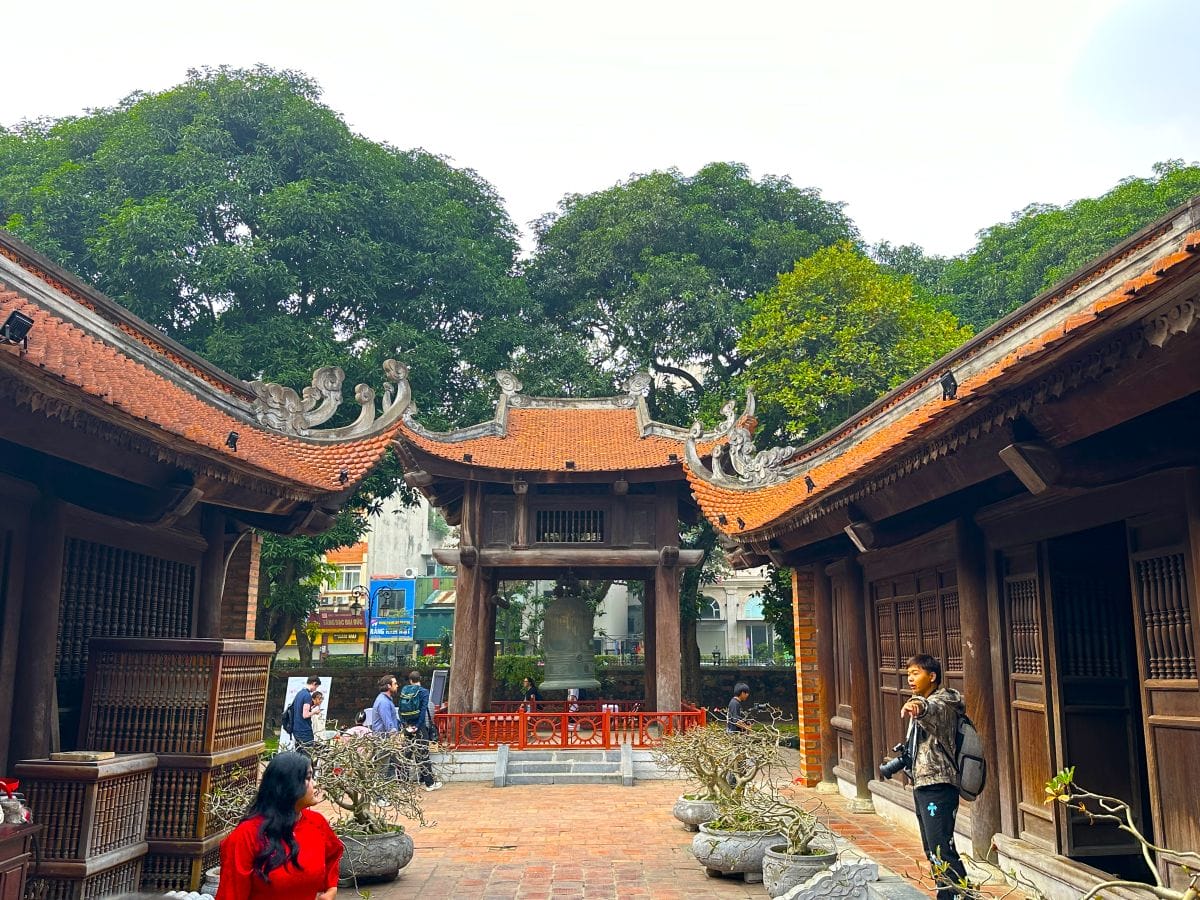
Temple of Literature
Vietnam’s first university was founded in 1070 and is a great example of traditional Vietnamese architecture. Built to honour Confucius and educate the sons of the royal court and nobility, it was a centre of learning for nearly 700 years.
Five walled courtyards follow one another in sequence, each more serene than the last, with lotus ponds, tortoise sculptures and shaded pavilions. Students still visit before exams to touch the turtle heads for good luck, and when we visited, there were many friendly students there. Many of them began talking to us in an attempt to practice their English.
3. Hoan Kiem Lake
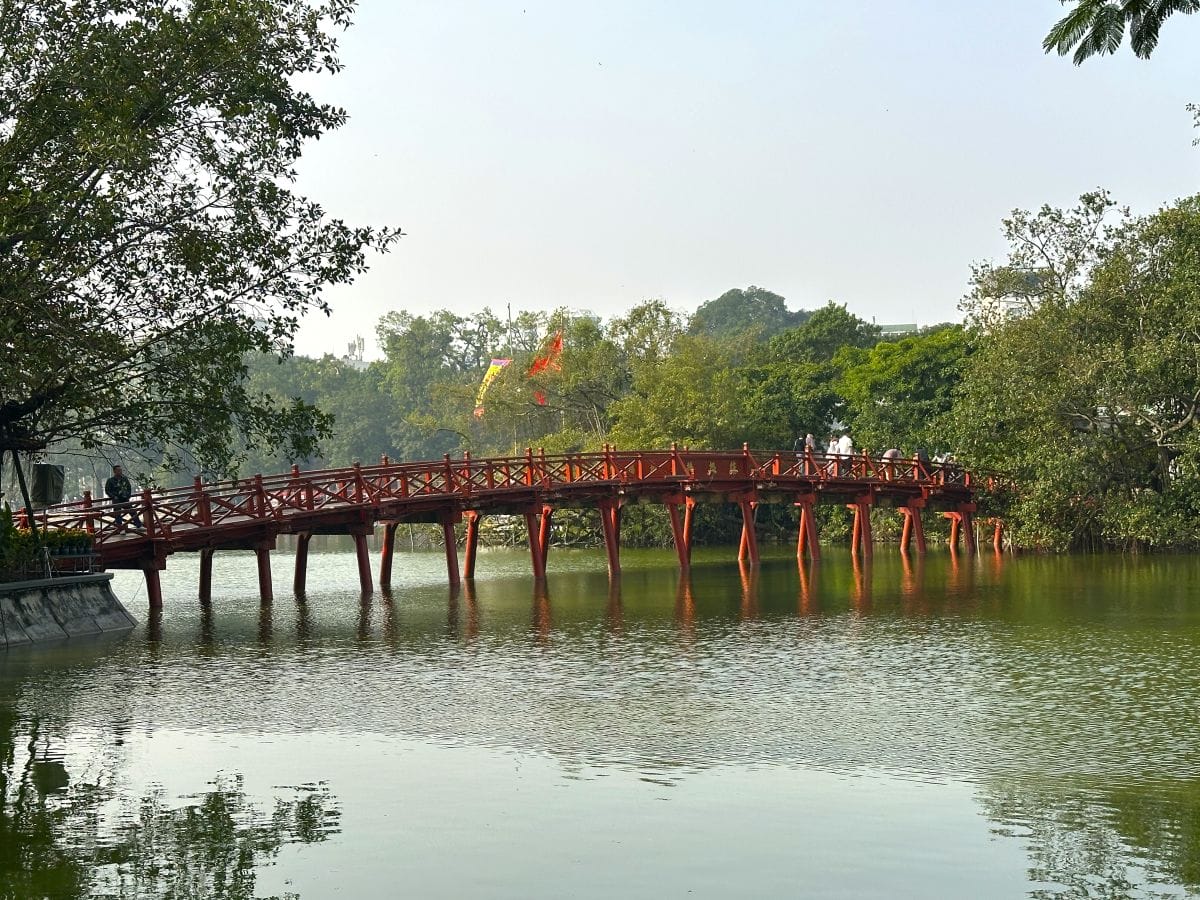
Hoàn Kiem Lake
Hoan Kiem Lake is a peaceful freshwater lake in the heart of Hanoi, surrounded by tree-lined paths and historic landmarks. It is closely tied to Vietnamese legend, where Emperor Lê Lợi returned a magical sword to a sacred turtle in the lake. At its centre stands the small Turtle Tower, one of the city’s most recognisable symbols. The bright red The Huc Bridge leads visitors to Ngoc Son Temple, a popular cultural site on a small island. Locals gather here daily to walk, practise tai chi, and enjoy a calm escape from the busy streets of Hanoi.
4. West Lake
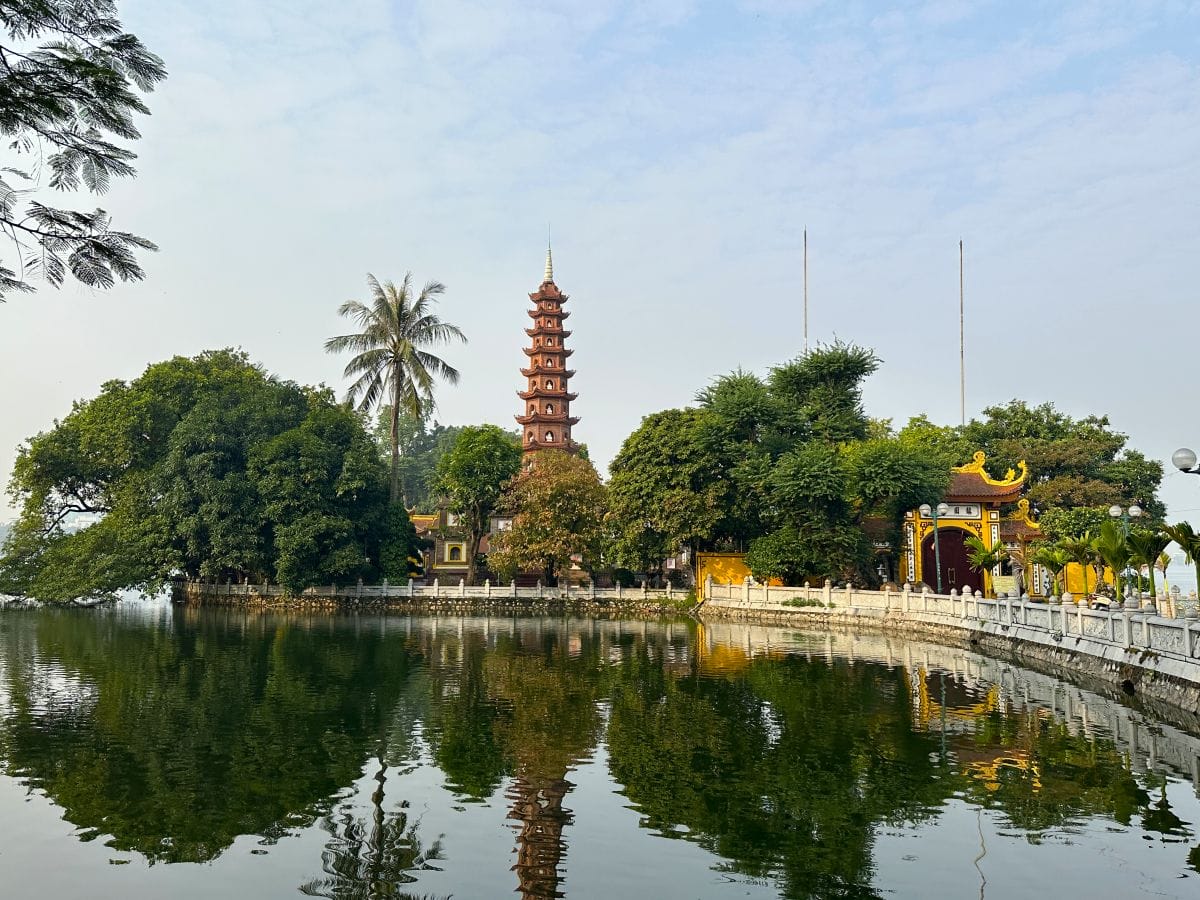
West Lake
West Lake is Hanoi’s largest body of water, and the neighbourhood surrounding it has evolved into the city’s most relaxed and pleasant residential district. A cycling path follows the lake’s perimeter, passing ancient pagodas, flower markets and waterside cafés.
Tran Quoc Pagoda — a 6th-century Buddhist temple on a small island connected to the shore — is one of the oldest religious sites in the country.
5. French Quarter
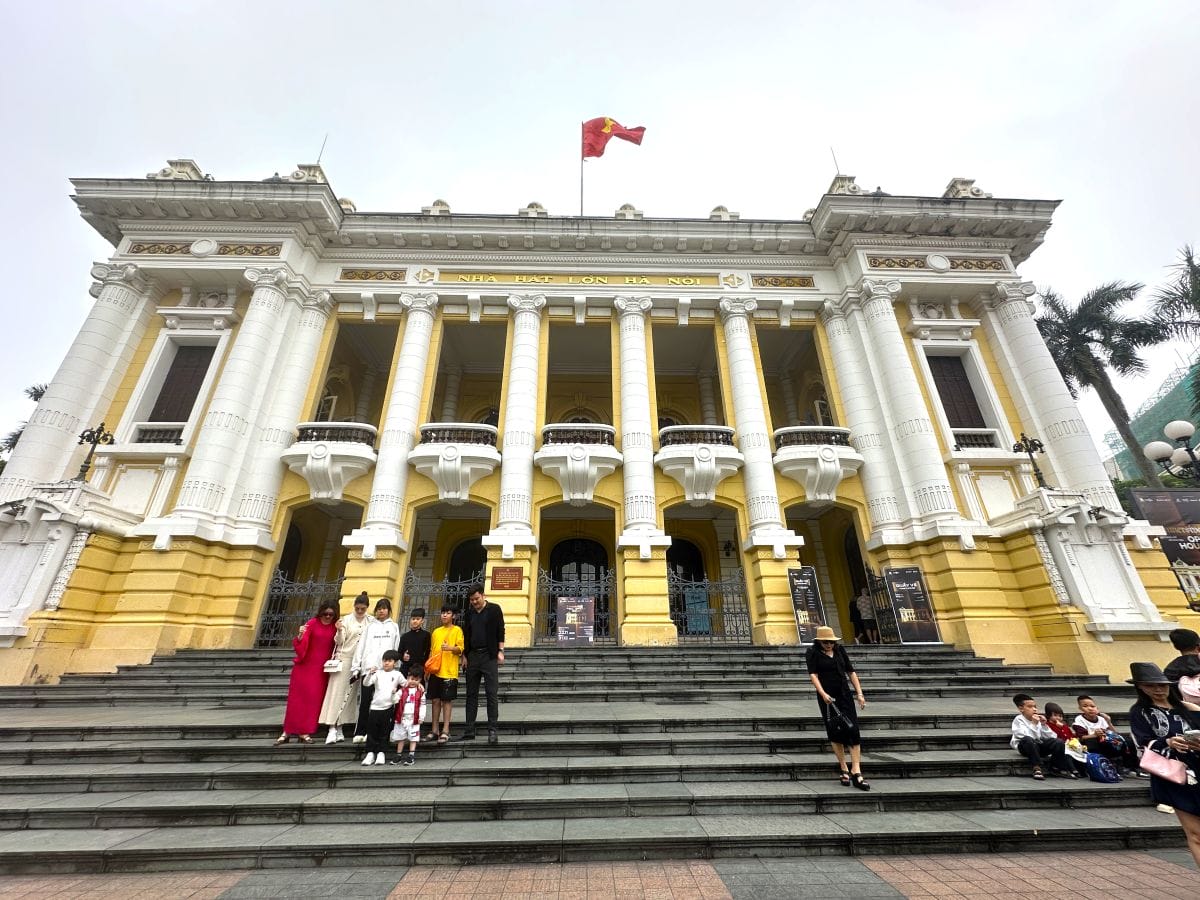
Hanoi Opera House
The broad, tree-lined boulevards of the French Quarter offer a stark contrast to the chaotic energy of the Old Quarter. Built during the colonial period, the neighbourhood’s grand architecture consists of faded orange facades, tall shuttered windows, and wrought-iron balconies. The boulevards are wide enough to walk comfortably, and both the Hanoi Opera House and the Vietnam Museum of Fine Arts, can be found here. We stayed in an Airbnb in this area.
6. Ho Chi Minh Mausoleum
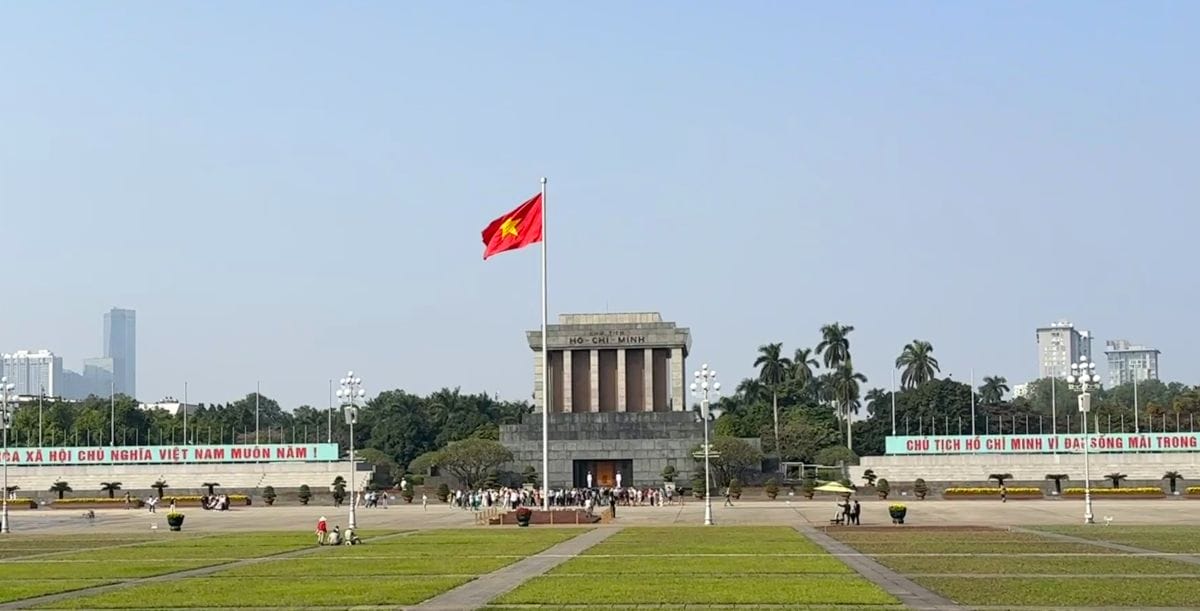
Ho Chi Minh Mausoleum
The Ho Chí Minh Mausoleum is one of the most visited sites in Vietnam. Modelled after Lenin’s Mausoleum in Moscow, the imposing grey granite structure on Ba Đình Square holds the preserved body of Ho Chi Minh — the revolutionary leader who led Vietnam’s independence movement and is still a revered figure.
The surrounding Ba Đình Square — where Ho Chi Minh read the Declaration of Independence in September 1945 — is also a significant historical place. The adjacent Presidential Palace and Ho Chi Minh’s simple stilt house (where he preferred to live instead of the palace) are open to visitors too.
Tip: The Mausoleum is only open between 7:30–11:30 am every day except Mondays and Fridays although you can still walk around the complex at other times. Dress modestly.
7. Hung Train Street
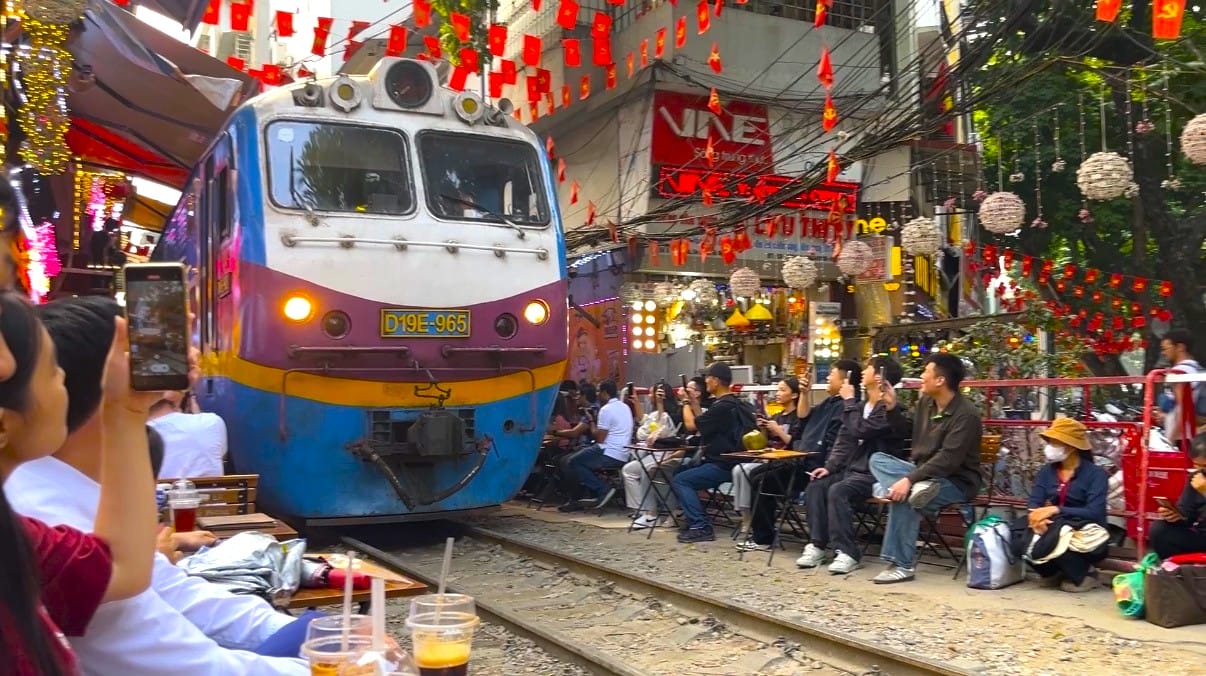
Train Street
This is Hanoi’s famous Train Street, one of the city’s most unusual and famous attractions. A railway track runs directly through a narrow residential street, with homes and cafés just metres away. When the train approaches, locals quickly move tables and clear the tracks in a well-practised routine. Visitors gather at the small cafés to watch the train pass dramatically close by.
We ordered coffees at a café when the train was due, watching people posing for photos on the tracks, until it eventually came past. It was quite a cool experience. However, there are talks of Train Street being shut down for safety reasons.
8. Imperial Citadel of Thang Long
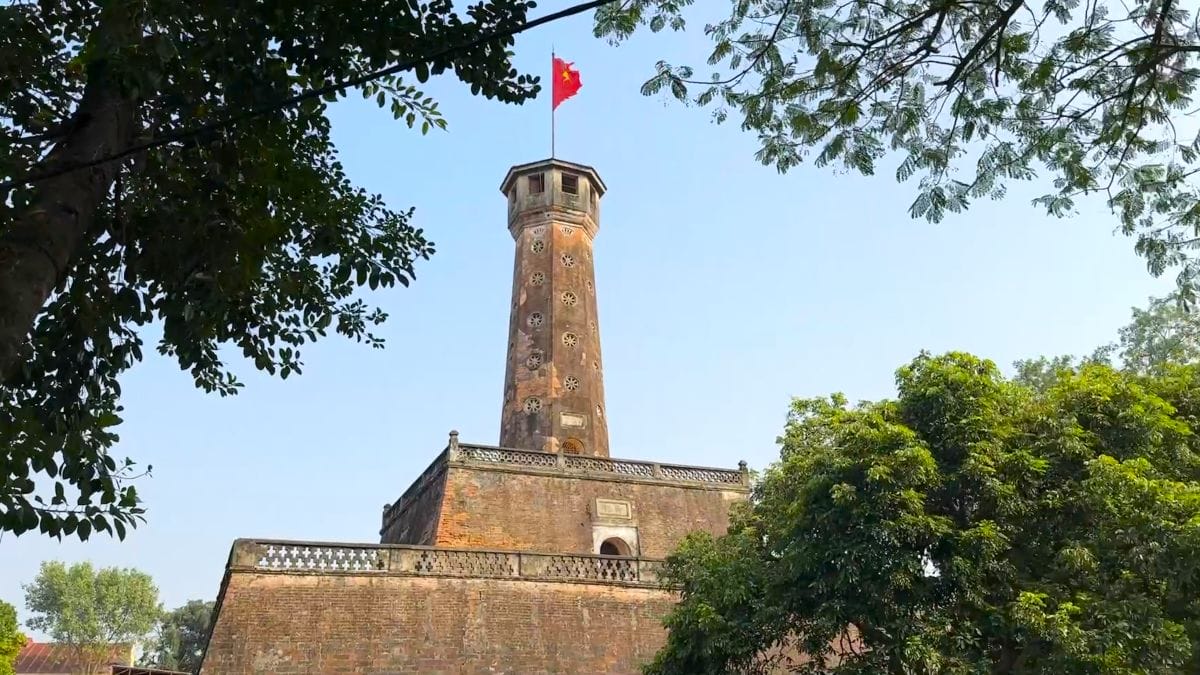
Imperial Citadel of Thang Long – Flag Tower
A UNESCO World Heritage Site and one of the most important archaeological discoveries in Vietnam’s modern history, this was the political centre of the country for over a thousand years. Today visitors can walk through the excavated remains and the exhibition halls, then climb the Flag Tower that has watched over the citadel for centuries.
9. Phung Hung Street Art
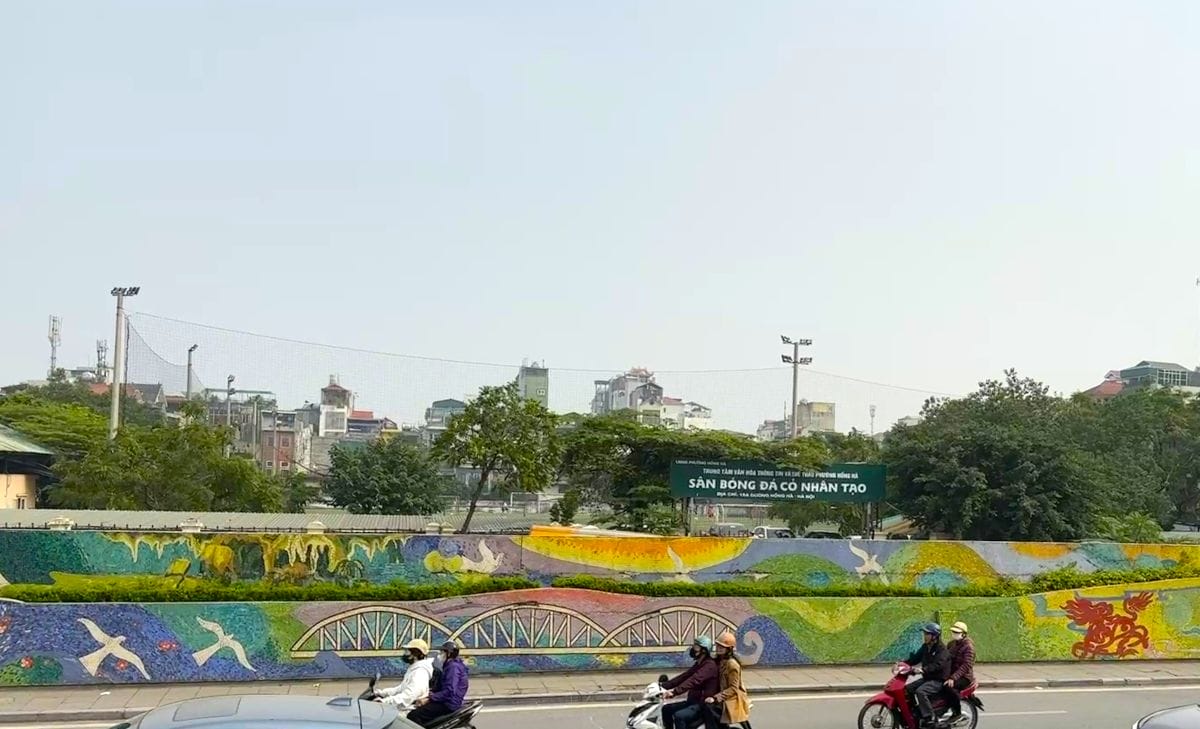
Phung Hung Street Art
Running beneath the old railway bridge in the Old Quarter, Phùng Hưng Street has been transformed into an outdoor gallery. The arches of the bridge are covered in a series of large-scale murals painted by Vietnamese and international artists, depicting scenes from the city’s history, daily life, and cultural memory.
10. Dong Xuan Market
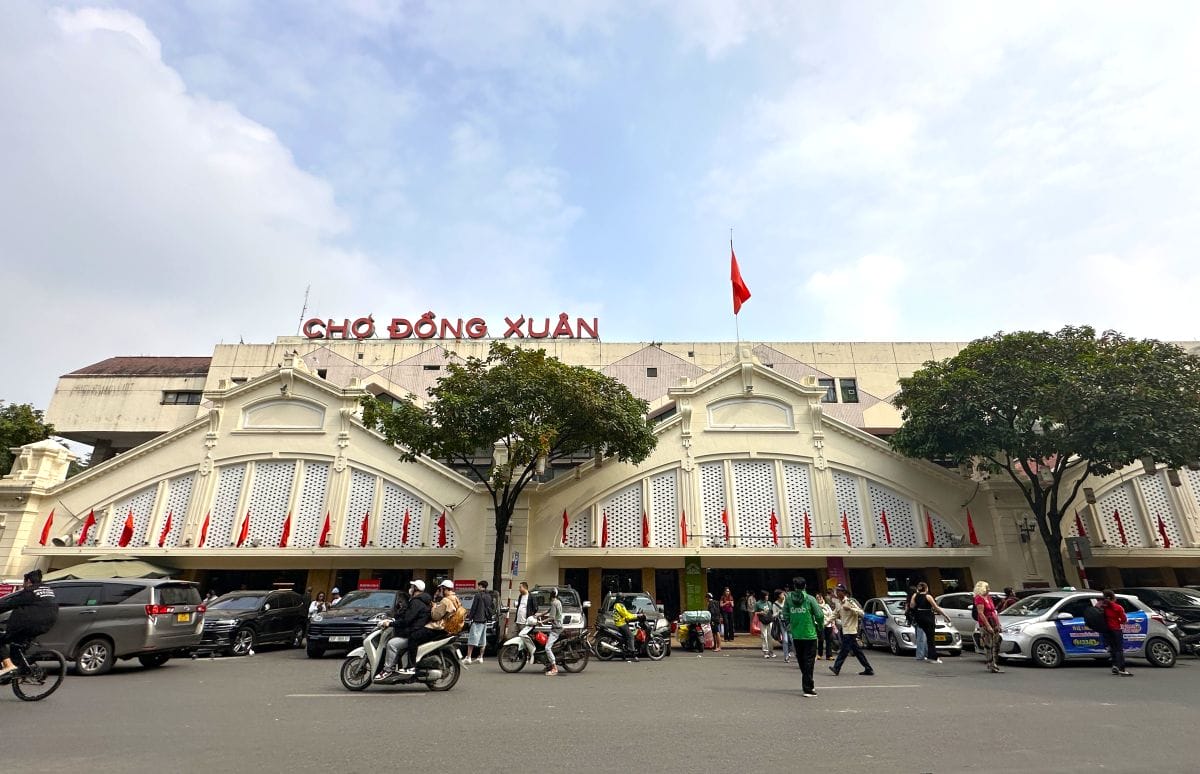
Dong Xuan Market
Đồng Xuân Market is Hanoi’s largest and oldest covered market — a three-storey iron-and-brick structure built during the French colonial period that has been feeding and supplying the city for well over a century. It is a local market where Hanoians come to buy fabric, household goods, dried foods, fresh produce, clothing, and everything in between. We bought bags of coffee there.
11. Coffee Culture
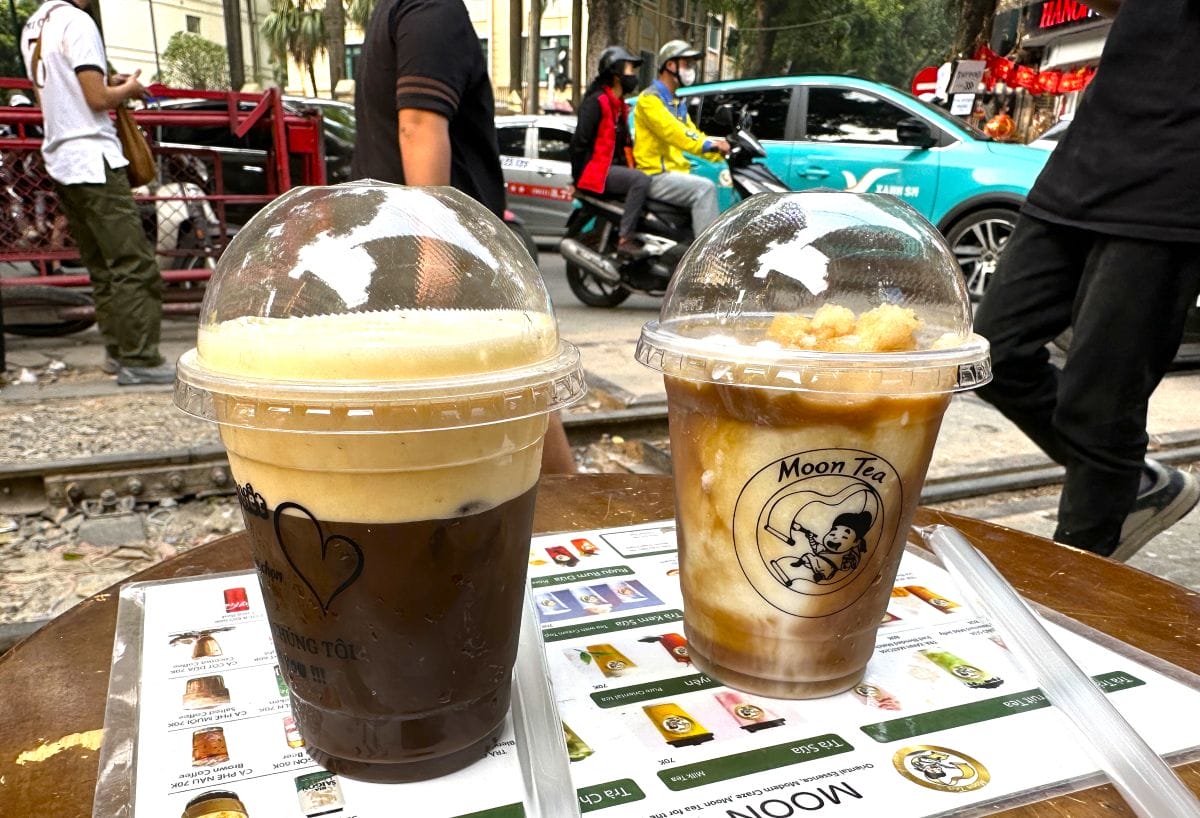
Coffee
Hanoi runs on coffee. The country is the world’s second-largest coffee producer, and its preferred variety — robusta — is stronger, more bitter, and more caffeinated than the arabica that dominates Western café culture.
The city’s most iconic drink is egg coffee — invented in Hanoi in the 1940s when fresh milk was scarce. Whipped egg yolk and condensed milk are beaten into a thick, custard-like foam and served over a shot of dark robusta. It is sweet, rich, and flavourful and we thoroughly enjoyed it. We also had coconut coffee, salt coffee, and Vietnamese drip coffee.
12. Mega Grand World
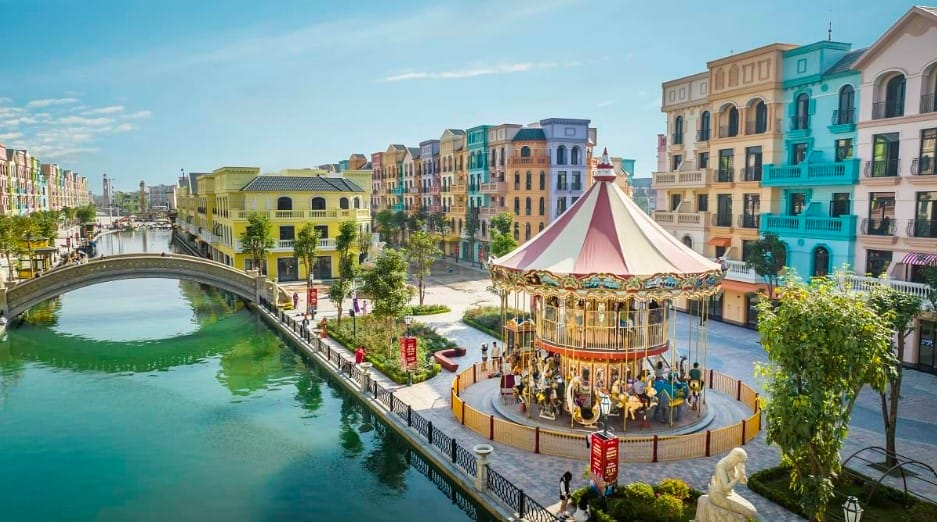
Mega Grand World Hanoi
For something modern on a spectacular scale, Grand World at Vinhomes Ocean Park on Hanoi’s eastern side is vastly different from the ancient city centre. This huge entertainment and dining complex is built around a network of canals and pedestrianised streets inspired by the great cities of the world — from Venice to Tokyo — with a distinctly Vietnamese touch.
13. Ha Long Bay
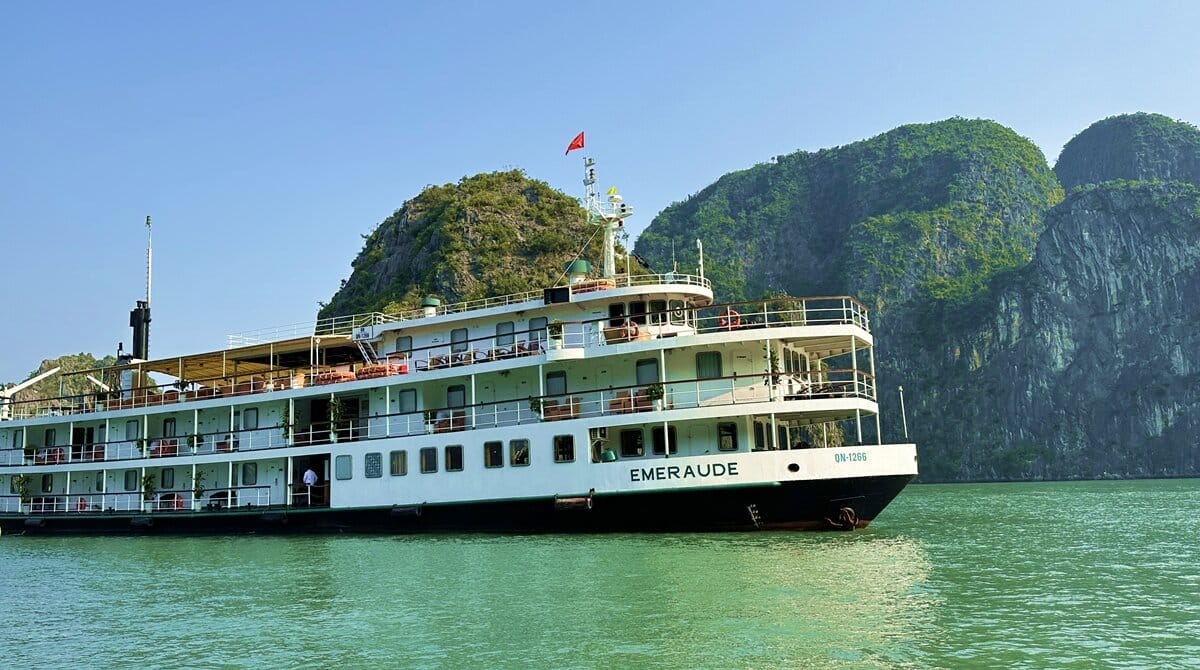
Emeraude Classic
No visit to Hanoi is complete without making the journey to Hạ Long Bay, roughly four hours from the city by road. A UNESCO World Heritage Site and one of the natural wonders of the world, the bay is home to nearly 2,000 limestone karst islands rising dramatically from emerald-green water — sculpted over millions of years into arches, caves, and improbable vertical columns that look more like a painting than a real place.
Although it is possible to do a day trip, I would not recommend it. We did an overnight cruise, but a longer one would have been even better.
Where to Stay in Hanoi
The Old Quarter is the most convenient base — everything is walkable and the food options are endless, though motorbike traffic rarely stops before midnight, so request an interior-facing room. The French Quarter is a calmer, more elegant alternative with wide tree-lined boulevards. For maximum peace, the West Lake district is quieter and more residential, though it sits 20–30 minutes from the main sights. Find accommodation in Hanoi.
How to Get Around Hanoi
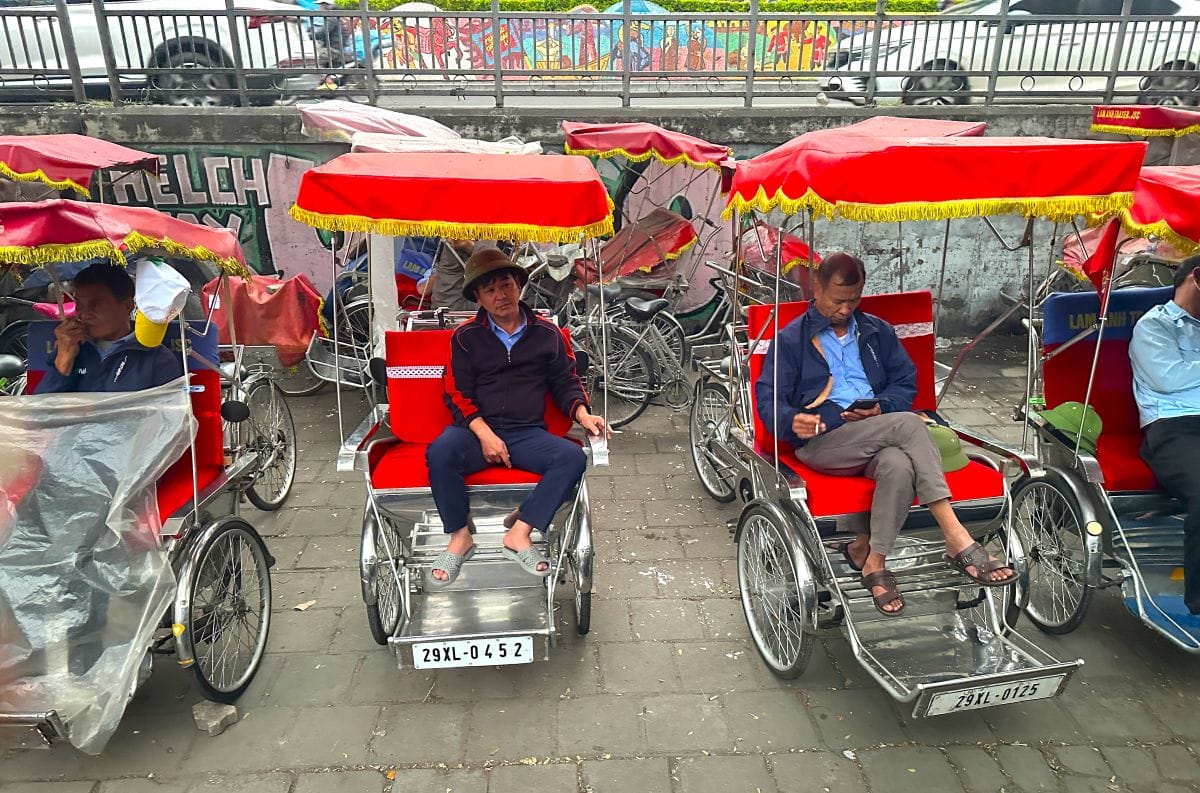
Cyclos in Hanoi
Grab (Southeast Asia’s Uber) is the easiest way to get around — book a GrabBike to weave through the motorcycle traffic, or a GrabCar for more comfort. Within the Old Quarter, walking is often faster than any vehicle. Cyclos provide a slower, more atmospheric option around the Old Quarter; agree a fare before you climb in.
The City Sightseeing Hanoi hop-on hop-off bus is a great way to get an overview of the city and cover the main landmarks. It runs a loop past most major attractions and provides commentary.
For the airport, Grab is cheaper than a metered taxi, or bus route 86 runs directly to the Old Quarter for next to nothing.
We flew to Hanoi via Qatar Airways, and used a combination of Grab Cars and the City Sightseeing Hanoi hop-on hop-off bus to get around Hanoi.

Sara Essop is a travel blogger and writer based in South Africa. She writes about family travel and experiences around the world. Although she has been to 53 countries thus far, she especially loves showcasing her beautiful country and is a certified South Africa Specialist.






Discussion about this post