








When planning your first escape to Central America, it is easy to imagine Costa Rica as a singular tropical paradise of endless sunshine and palm-fringed sands. However, the reality is far more fascinating. This small but mighty nation is actually a mosaic of twelve distinct climatic zones. It’s one of the few places on Earth where you can experience a chilly, misty mountain morning and a sun-drenched beach afternoon within a single day’s drive.
Understanding these nuances is essential, as it allows savvy travellers to tailor their Costa Rica holidays to their personal comfort levels and specific activity interests.
Navigating the Pacific and Caribbean Divide
The first thing to understand is the “inverse” relationship between the two coastlines. The Pacific coast is famous for its predictable dry season running from December to April – perfect for those seeking guaranteed winter sun. Conversely, the Caribbean side operates on a different clock; it often enjoys its “summer” (the driest period) during September and October, which happen to be the Pacific’s rainiest months.
By choosing your coastline based on your travel dates, you can avoid the heaviest washouts and find the calmest, clearest waters for snorkelling.
The Vertical Shift: Elevation and Temperature
In Costa Rica, altitude dictates the thermometer far more than the time of year. While coastal hotspots like Tamarindo or Manuel Antonio often bake in high humidity and temperatures exceeding 30°C, the Central Valley offers a refreshing “permanent spring” feel.
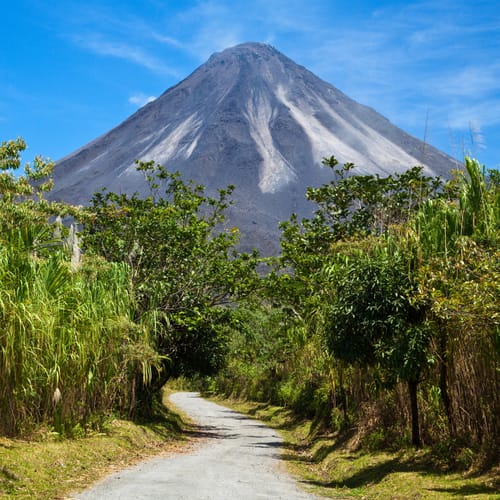
As you ascend into the highlands near San José, the air cools significantly, typically dropping about 2°C per 300 metres of elevation gain. This vertical shift provides a welcome respite for those who might find the intense tropical heat of the lowlands a bit overwhelming. When you hike the trails around the Poás or Irazú volcanoes, the temperature can plummet to 10°C. This requires a complete mental shift from the sweltering coastal sands you left just two hours prior.
Manuel Antonio Costa Rica
Inside the Misty Monteverde Cloud Forest
Nowhere is the microclimate more distinct than in the high-altitude cloud forests of Monteverde. Here, the “rain” often takes the form of a fine, horizontal mist known as pelo de gato (cat’s hair), rather than a tropical downpour. The constant moisture supports incredible biodiversity, turning every branch into a hanging garden of orchids and ferns.
When visiting, standard trainers won’t suffice; you’ll need high-traction footwear to safely navigate the slippery, moss-covered hanging bridges that weave through the canopy. You should also keep your binoculars in a waterproof bag. This protection prevents the persistent condensation from blurring your view of a rare resplendent quetzal.
Strategic Packing for Rapid Transitions
Because you can move between a humid rainforest and a breezy volcanic lookout in just a few hours, your suitcase needs to be tactical. Forget heavy denim, which never dries in the tropics; instead, prioritise quick-dry synthetic fabrics or lightweight merino wool. A breathable, high-quality waterproof jacket is the most vital item you can bring.
A “layering” system allows you to peel off a shell when the sun emerges, or add a fleece when the mountain air turns crisp, without needing a full wardrobe change mid-excursion.
The “Little Summer” Phenomenon
For the budget-conscious Brit, there is a secret window known as the Veranillo de San Juan. This “little summer” is a brief dry spell that typically occurs in July or August, right in the middle of the “green” (rainy) season.
It offers a fantastic opportunity to see the landscape at its most lush and vibrant without the constant afternoon deluges. It’s the perfect time to secure lower off-peak rates while still enjoying plenty of sunshine for those essential morning wildlife treks.

Sara Essop is a travel blogger and writer based in South Africa. She writes about family travel and experiences around the world. Although she has been to 53 countries thus far, she especially loves showcasing her beautiful country and is a certified South Africa Specialist.

.jpeg?width=1200&auto=webp&quality=75 "Benfica vs Real Madrid LIVE: Champions League match stream, latest team news, lineups, TV, prediction")





Discussion about this post