





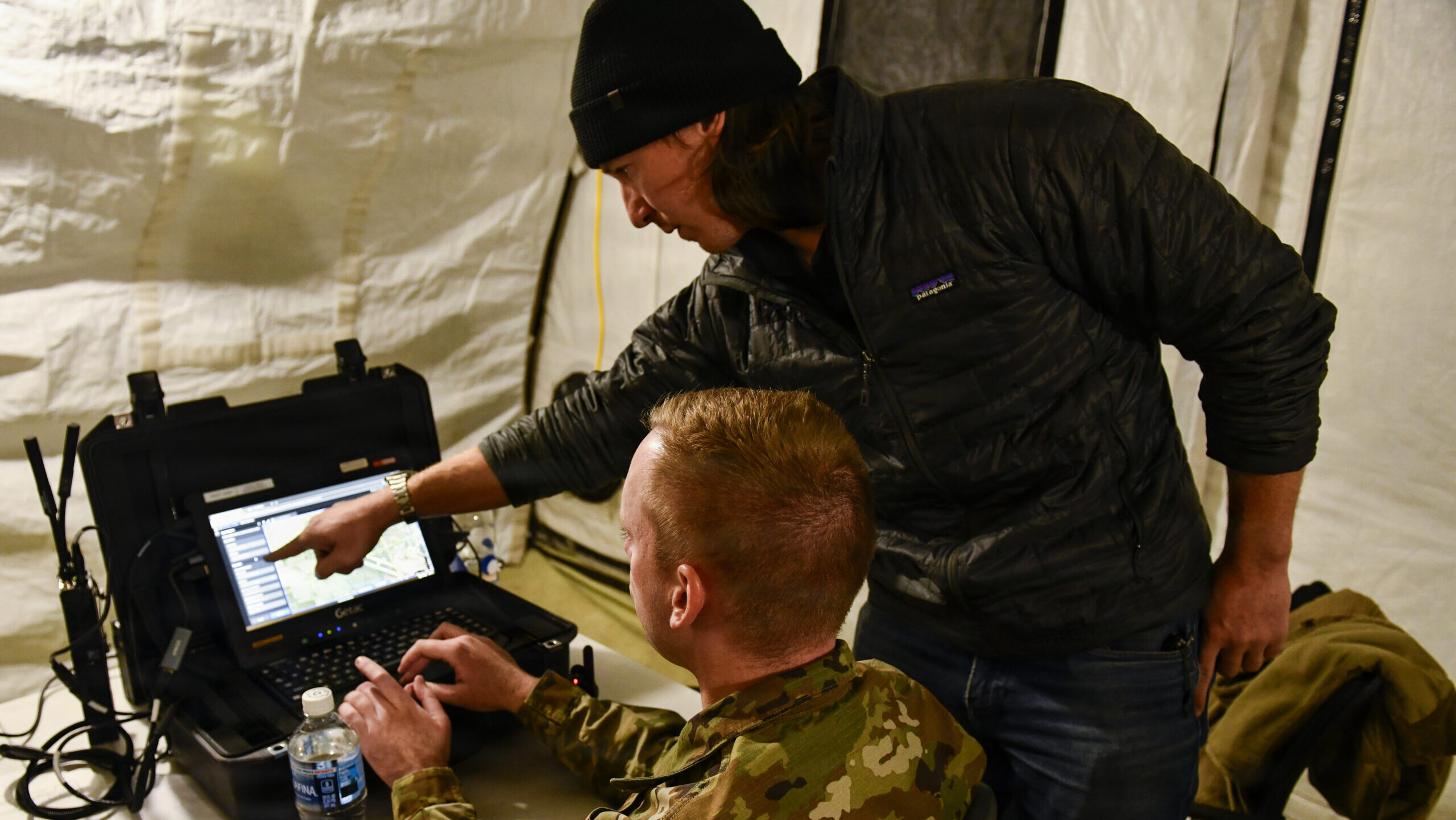
WASHINGTON — The Army-run counter-drone task force has selected Anduril’s Lattice software as the command and control backbone in an $87 million award as the first task order in a enterprise deal worth up to a staggering $20 billion over 10 years.
The company announced the counter-UAS award today under Joint Interagency Task Force 401, an inter-service entity tasked with developing solutions to thwart drones for the entire Department of Defense. Lattice integrates a variety of sensors and effectors that will enable distributed detection, tracking, classification, and engagement of UAS threats in seconds, the company said.
That news follows the announcement late Friday about a broader, firm-fixed-price contract to “consolidate current and future commercial solutions—including the proprietary, open-architecture, AI-enabled Lattice suite, integrated hardware, data, computer infrastructure, and technical support services—into a unified, mission-ready capability supporting the Army’s evolving operational and business needs.”
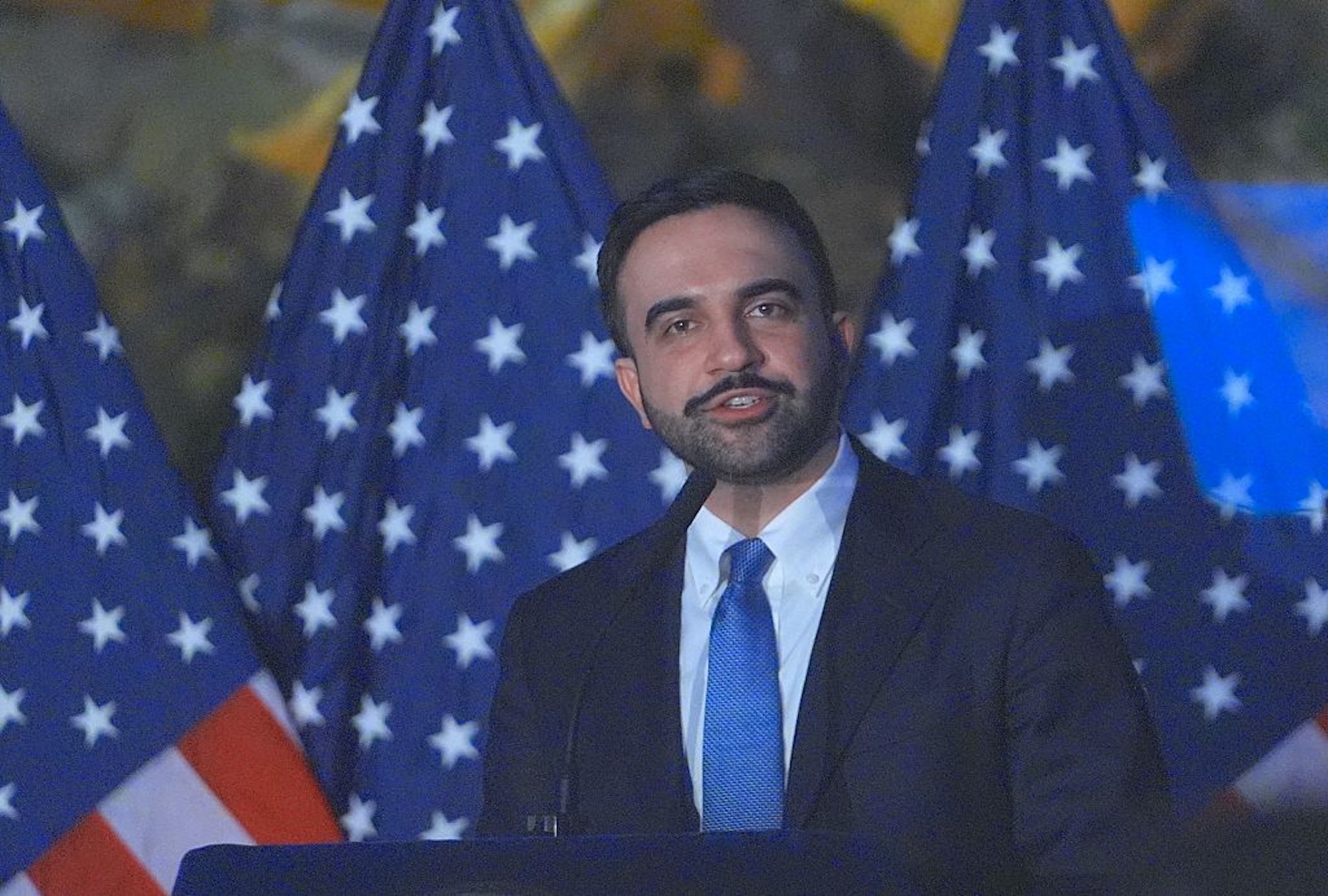
Matthew Steckman, Anduril president and chief business officer, explained to reporters today that that $20 billion award is more like an “ordering guide where any buyer within the federal government can buy Anduril commercially made products.”
“This is a contract vehicle,” he said. “We got a lot of messages over the weekend, like, ‘Oh, you made $20 billion.’ There’s no money attached to it, this is just a contract vehicle, but it reduces a lot of friction in things that just simply shouldn’t have it.”
The move is the latest in the Army’s push for enterprise contracts, which will allow the Army to be more flexible in getting capabilities to soldiers with less administrative burden, according to the service. Those contracts, equated to buying in bulk, have pre-negotiated terms and pricing to avoid lengthy and redundant negotiations where orders can be placed as soon as a vendor is selected through a competitive process, according to an Army-published article from March 11.
The article notes these contracts can offer commercial products and services through an individually priced or “à la carte” style menu, to provide flexibility to purchase what is needed.
“Our strategic shift to enterprise contracts is fundamental to how we modernize the force,” Brent Ingraham, assistant secretary of the Army for acquisition, logistics and technology, is quoted as saying. “By consolidating hundreds of disparate contracts, we are leveraging the Army’s buying power at an enterprise scale, which has potential to yield billions in taxpayer savings and streamline acquisition processes.”
In August the Army awarded a similar deal to tech firm Palantir with a ceiling of $10 billion. In all, the Army has awarded 14 enterprise contracts consolidating 118 separate contracts over the last eight months, the service said. This has resulted in an 88 percent reduction in the total number of contracts.
Anduril alone had 120 separate contracts just with the Army, for example. Now, Steckman said, Anduril’s commercially available technology, across hardware and software, is available to the entire DoD. Organizations can on-ramp commercial capabilities from the company in an expedited fashion, while still maintaining competition, a spokesperson from Army Contracting Command, said.
The service is on the hunt for another enterprise contract winner after re-opening its commercial software request for information for a third time, according to the spokesperson. The request notes that the enterprise contract yet to be awarded is the most “cost-effective and efficient solution to address administrative, financial, and operational costs and establish a single IDIQ contract vehicle for all future needs, avoiding the complexities and overhead of multiple individual contracts.”






Discussion about this post