





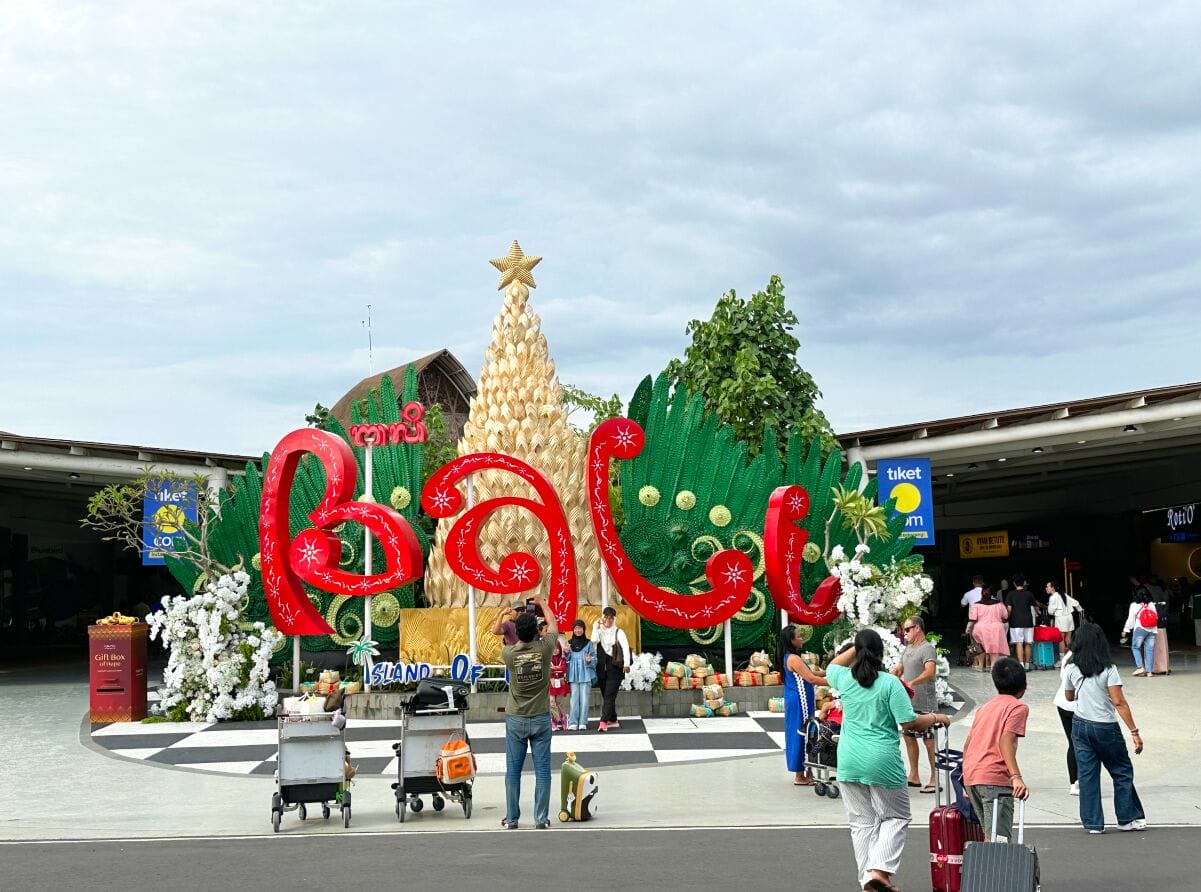
One of the most popular island destinations in the world, Bali is renowned for its warm hospitality and striking landscapes: pristine white beaches, lush tropical jungles, verdant rice fields and sacred volcanoes. Often seen as the epitome of tropical tourism, it is a one-stop island destination for coasts, mountains, arts and culture. We spent six days there. If you’re planning a visit, here are some of the best things to do in Bali.
15 Best Things to Do in Bali
1. Tegalalang Rice Terrace
Tegalalang Rice Terrace
The emerald rice terraces of Tegalalang are some of Bali’s most recognisable landscapes. Layered rice fields cascade down the hillsides in vibrant shades of green, creating a scene that feels almost sculpted. Walk through the stepped paddies and learn about the historic farming system from the farmers who’ve worked these fields for generations and still tend them by hand. For the adventurous, try the famous Bali swing, soaring high above the jungle canopy with rice terraces spreading beneath you. Arrive early in the morning when the temperatures are cooler and there are fewer visitors.
2. Coffee Plantation
Coffee Plantation
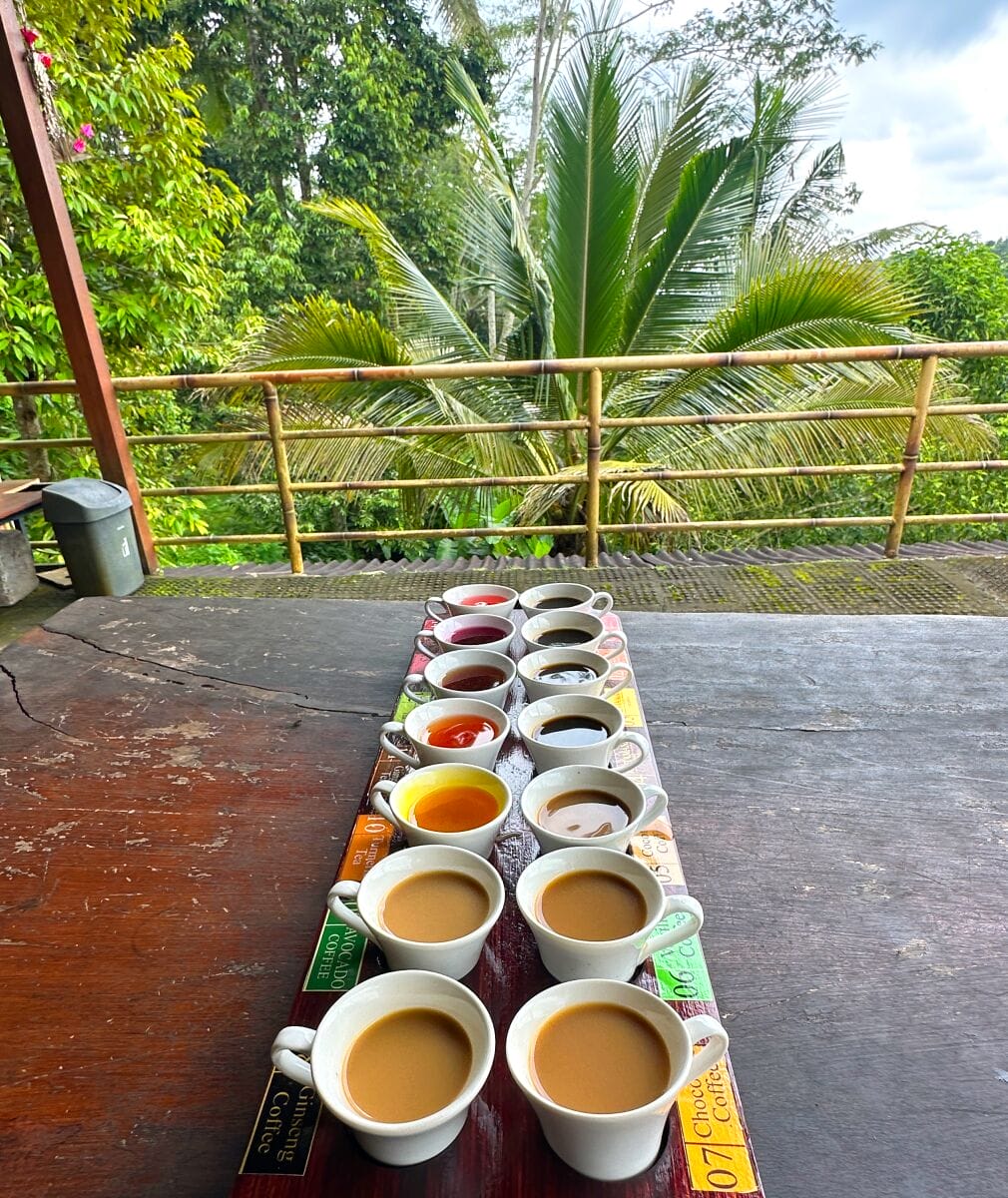
A visit to a coffee plantation is a must, especially for coffee lovers like us. The plantations around Ubud are the most authentic and many of them host tea and coffee tastings where you can sample a variety of Balinese beverages before you decide what to purchase. Visitors also have the option of trying luwak coffee, one of Bali’s most talked-about beverages. If you haven’t heard about it, this coffee is made using beans that have been eaten by civets, naturally fermented during digestion, and then collected, cleaned and roasted.
We visited a coffee plantation where we learnt about their crops and observed conventional processing methods. Thereafter, we were given a selection of 14 different coffees and herbal teas to taste in a café area overlooking a jungle-covered valley. Some tasted great while others weren’t to our taste. We chose not to try luwak coffee because the idea of drinking coffee extracted from civet droppings didn’t sound too appealing. However, we watched other tourists decanting and drinking it.
3. Ubud Palace
Ubud Palace
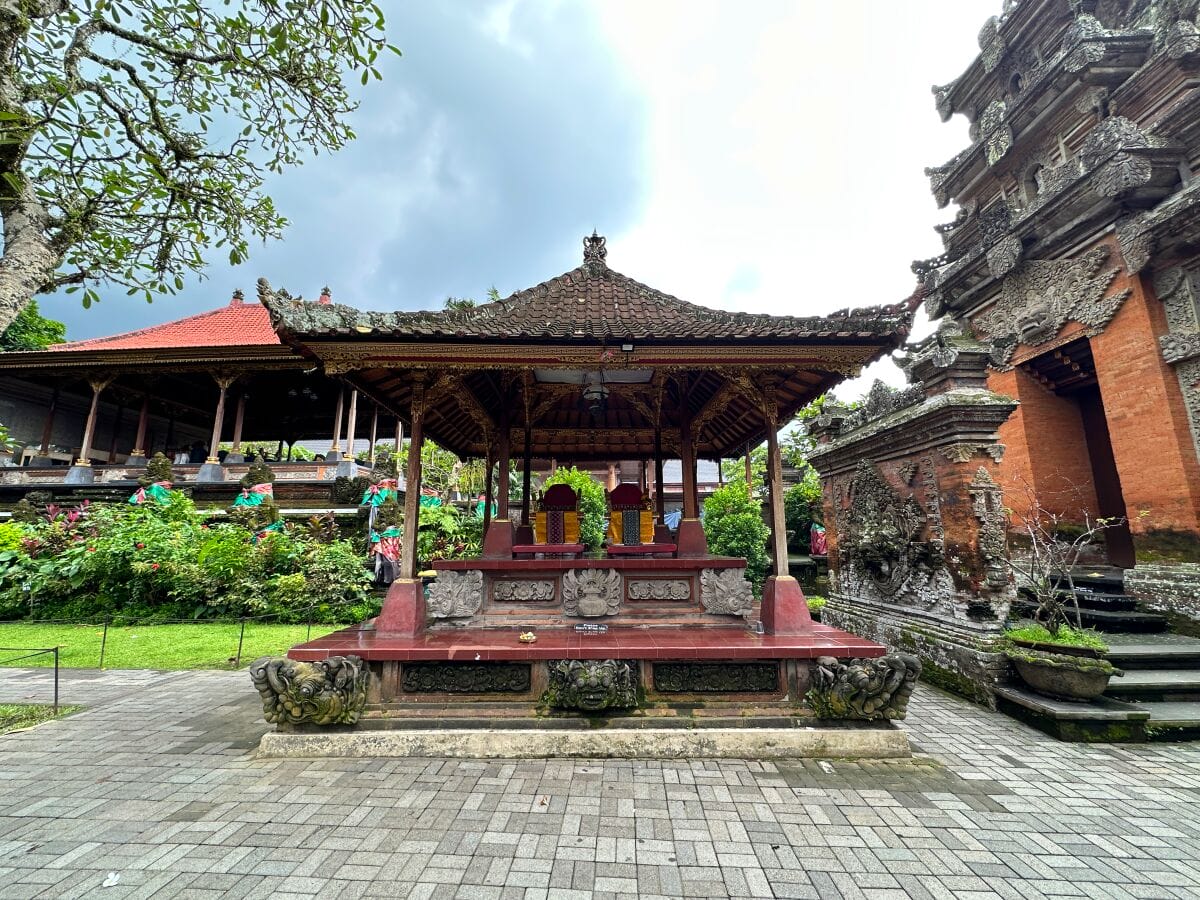
The Ubud Royal Palace sits at the heart of Ubud and remains home to the royal family. While you can only explore the outer courtyards, the intricate Balinese architecture, ornate stone carvings, and beautifully maintained gardens give a glimpse into royal life. Visit during the day to admire the design and craftsmanship, then return in the evening to watch dance performances in the palace courtyard. The palace is free to enter.
4. Ubud Art Market
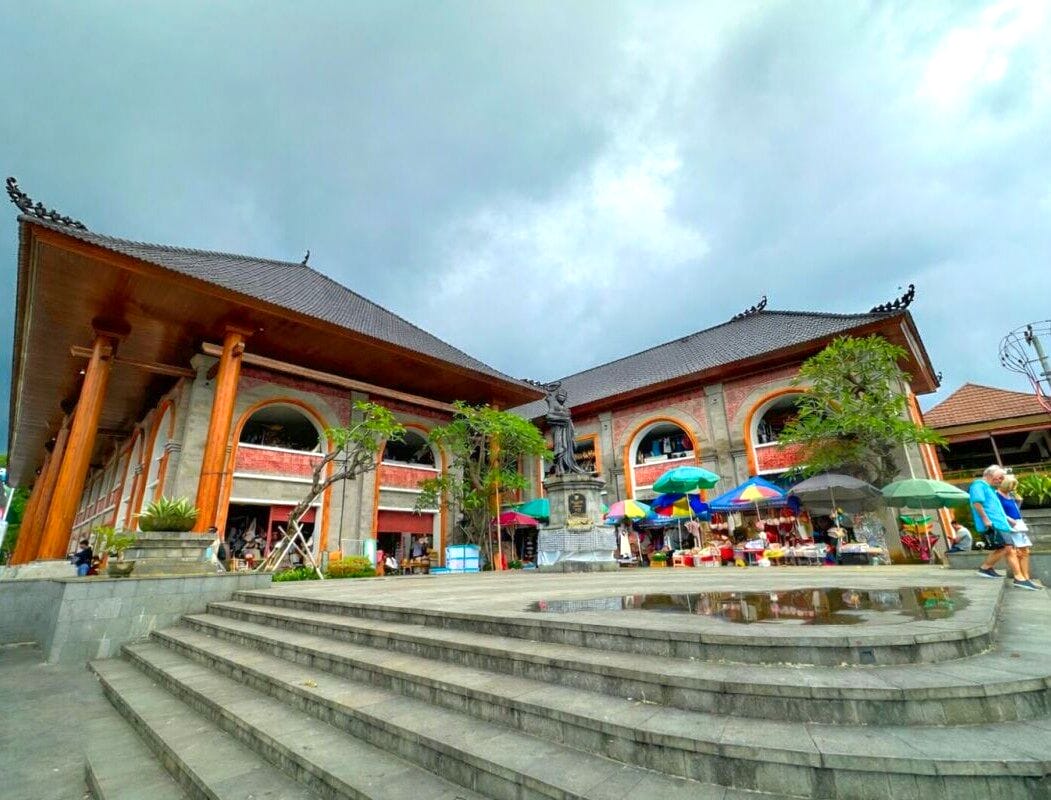
Ubud Art Market
Adjacent to Ubud Palace, the bustling art market is a treasure trove of Balinese handicrafts and souvenirs. Navigate narrow aisles packed with hand-woven baskets, silk scarves, silver jewellery, paintings, and clothing, many of which are produced in nearby villages. Bargaining is expected. Even if you’re not planning to shop, the market is worth visiting for its atmosphere and colour, especially in the morning when traders are setting up for the day.
5. Sacred Monkey Forest
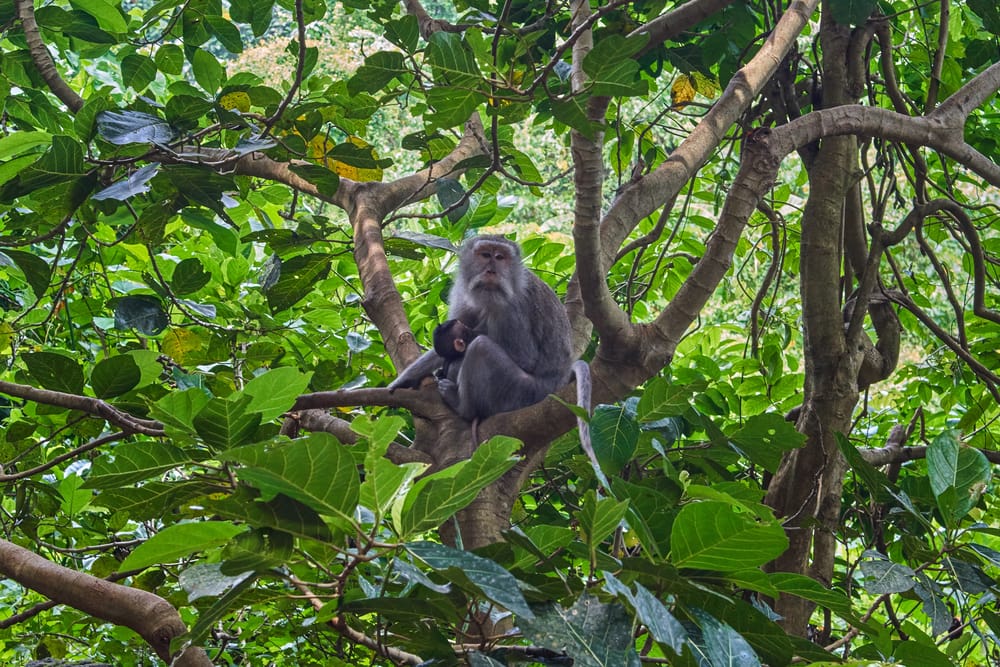
Sacred Monkey Forest (cc: DepositPhotos)
The Sacred Monkey Forest is a green sanctuary in Ubud and one of its most popular attractions. Home to over 700 long-tailed macaques living among ancient temples and giant banyan trees, it combines nature and wildlife, with shaded pathways winding through the trees and over stone bridges.
The resident monkeys are playful and entertaining to watch. However, we chose not to visit the sanctuary as we see monkeys often in South Africa, and because we heard that the monkeys can get aggressive, stealing phones and other belongings, and sometimes even biting people. We saw some monkeys as we passed the forest.
6. Campuhan Ridge
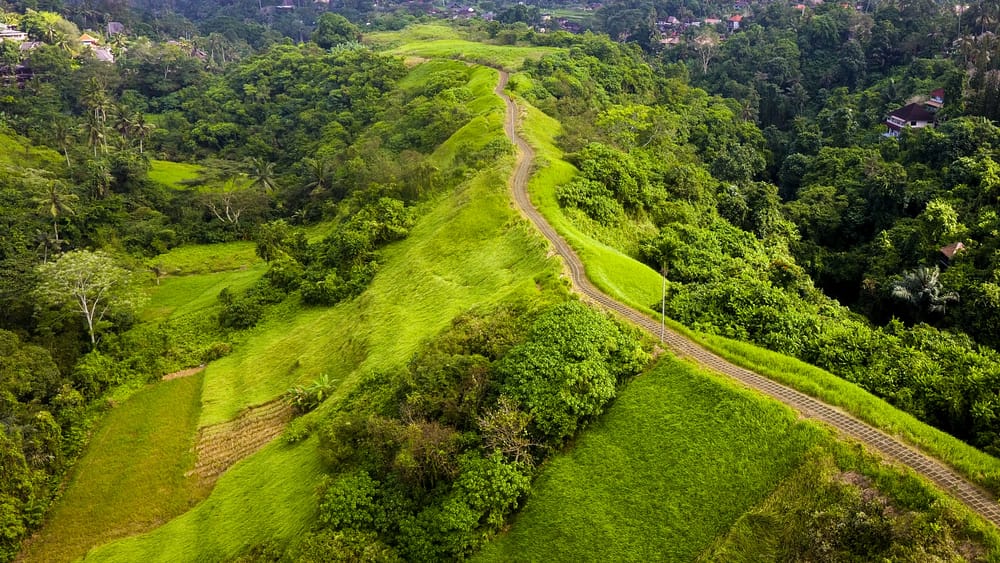
Campuhan Ridge (cc: DepositPhotos)
The Campuhan Ridge Walk in Ubud is one of Bali’s most accessible yet rewarding nature activities. This gentle two-kilometre trail winds along a narrow ridge between two river valleys, providing panoramic views of the hills, coconut groves, and villages below. The paved pathway eventually gives way to a dirt track surrounded by tall grasses that sway in the breeze. Unlike Bali’s more strenuous hikes, this peaceful walk requires no guide or special fitness level, making it perfect for all ages.
7. Waterfalls
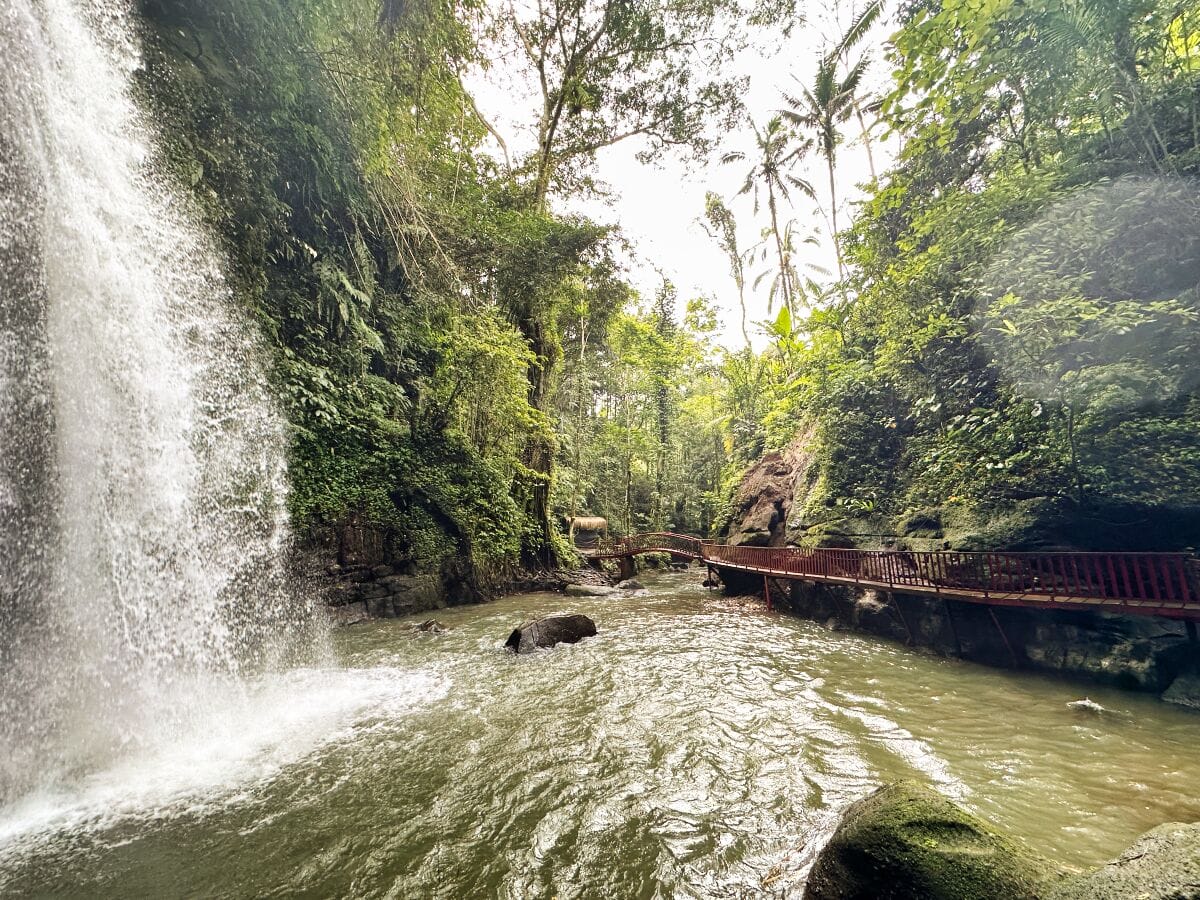
Ulu Petanu Waterfall
Bali’s jungle hides countless waterfalls waiting to be discovered. Ulu Petanu Waterfall consists of a relatively easy walk through a green, forested area to reach a powerful cascade perfect for swimming and photos. Tegenungan Waterfall near Ubud provides easy access with dramatic photo opportunities, while the twin falls of Banyumala reward the adventurous with pristine pools in a secluded canyon.
8. Village Visit
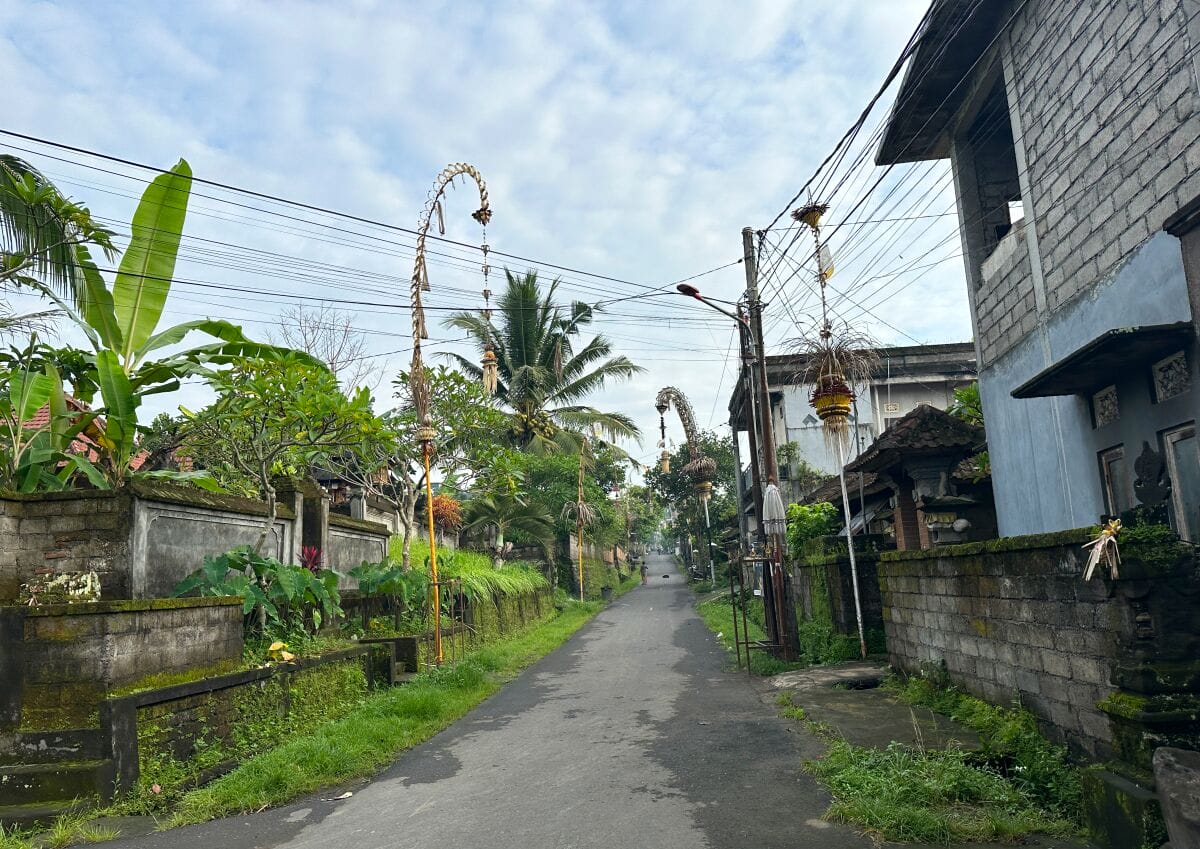
Keliki Village
Step off the beaten path and explore Balinese villages where daily life continues as it has for centuries. You’ll see family compounds with their characteristic split gates, community temples, and roosters strutting freely along quiet lanes.
We went on an early morning stroll through Keliki Village with Abisena Ubud. Setting out soon after sunrise, we followed narrow paths winding past little houses, convenience stores and rice fields. We also saw a tofu factory, an art school and the local cemetery. Our guide shared insights into Balinese customs and life throughout the walk.
9. Balinese Massage
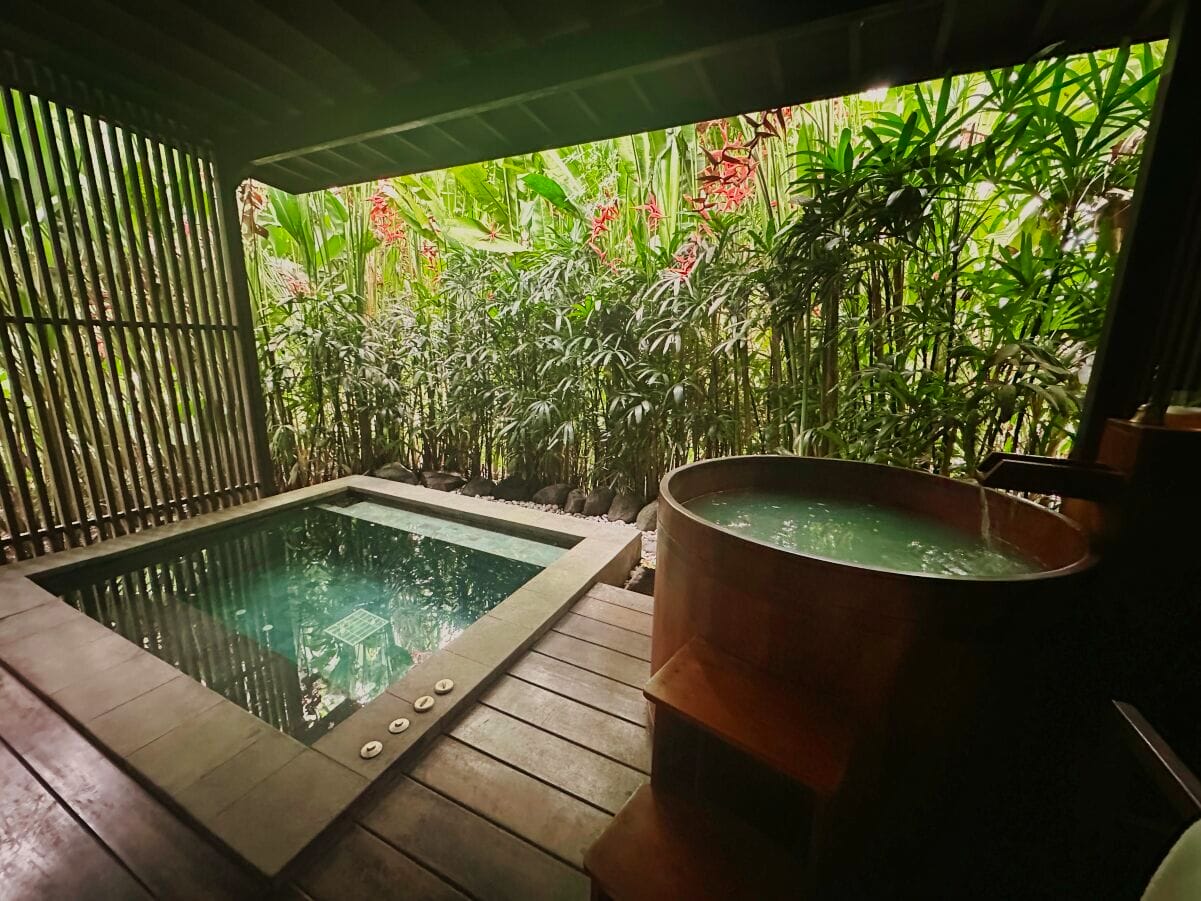
Onsen Bath and jacuzzi at The Garcia Ubud
Balinese massages are therapeutic treatments combining acupressure, skin rolling, and aromatherapy using frangipani, coconut, and essential oils. Gentle stretches and long, flowing strokes are used to improve circulation and release tension. Unlike many Western massages that focus mainly on muscle tension, they aim to restore overall balance and energy flow. Many spas pair the treatment with time in warm onsen-style baths, inspired by Japanese bathing rituals, to enhance relaxation. I enjoyed a Balinese massage and onsen bath at The Garcia Ubud resort.
10. Eat at a Warung
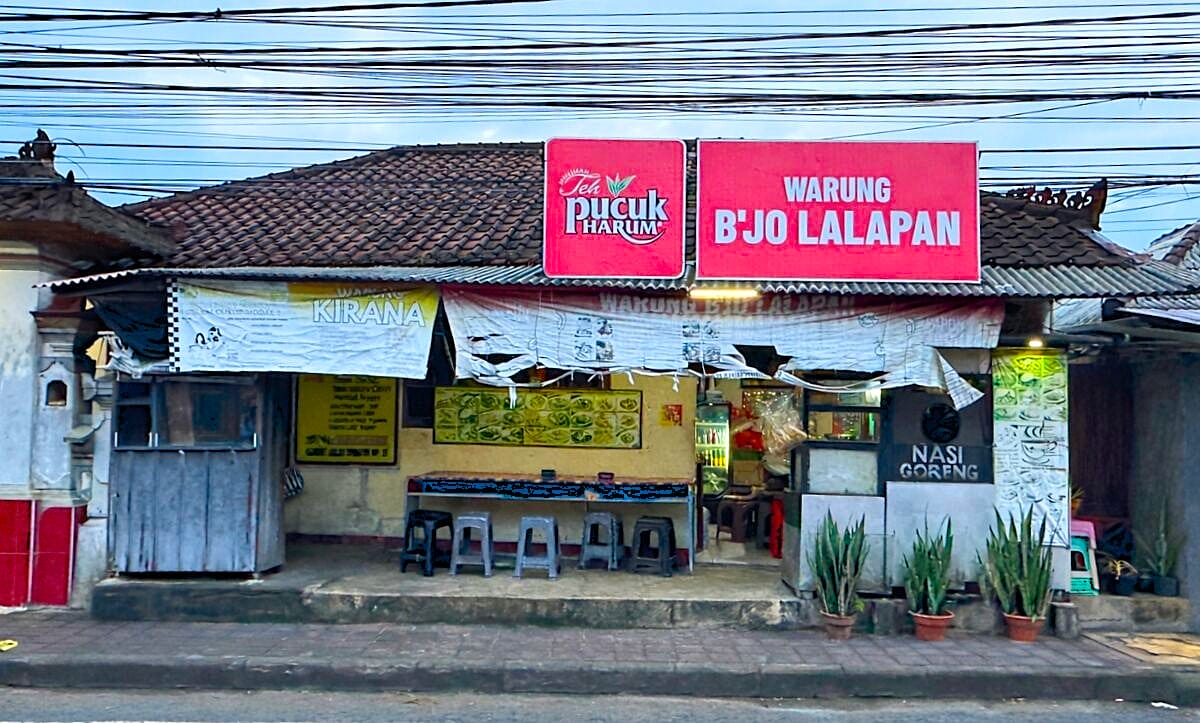
For the most authentic and affordable Balinese food, skip the tourist restaurants and eat at a warung (small family-owned eatery). These humble establishments serve authentic cuisine at low prices. Watch as owners cook fresh meals in tiny kitchens, often using recipes passed down through generations. Warungs are where locals eat daily, and they will give you a genuine taste of Balinese life. Don’t be put off by simple plastic chairs and basic decor—the food is often better than expensive restaurants, and you’ll likely be the only tourist there.
We ate at a warung in Nusa Dua. It was unbelievably cheap and delicious – definitely one of our best meals in Indonesia. A word of caution, though—use Google to find a warung that’s highly rated, as food hygiene standards can vary.
11. Wellness Resorts
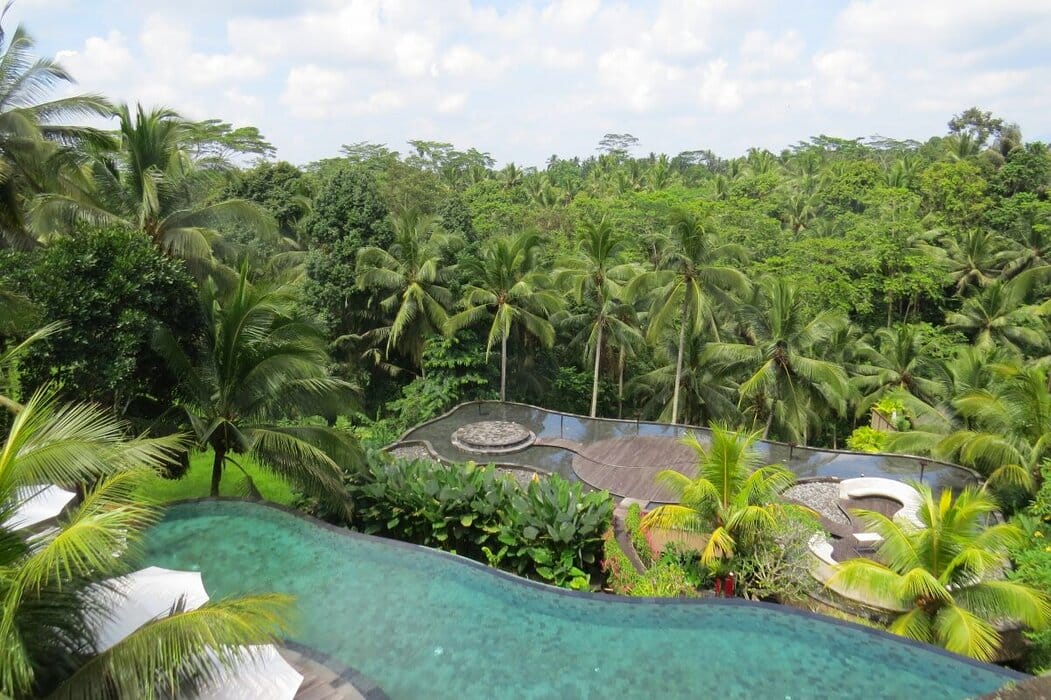
Abisena Ubud infinity pool and view
Bali has earned global recognition as a wellness destination, with world-class retreats particularly concentrated around Ubud. Spend days practicing yoga in bamboo studios facing rice paddies, meditating to jungle sounds, and cleansing your body with raw food and fresh juices. Many resorts have comprehensive wellness programmes and provide the space to disconnect from daily stress and reconnect with yourself. Infinity pools, spa treatments, and healthy cuisine complete the experience, leaving you genuinely transformed rather than just rested. We stayed at Abisena Ubud.
12. Bali’s Beaches
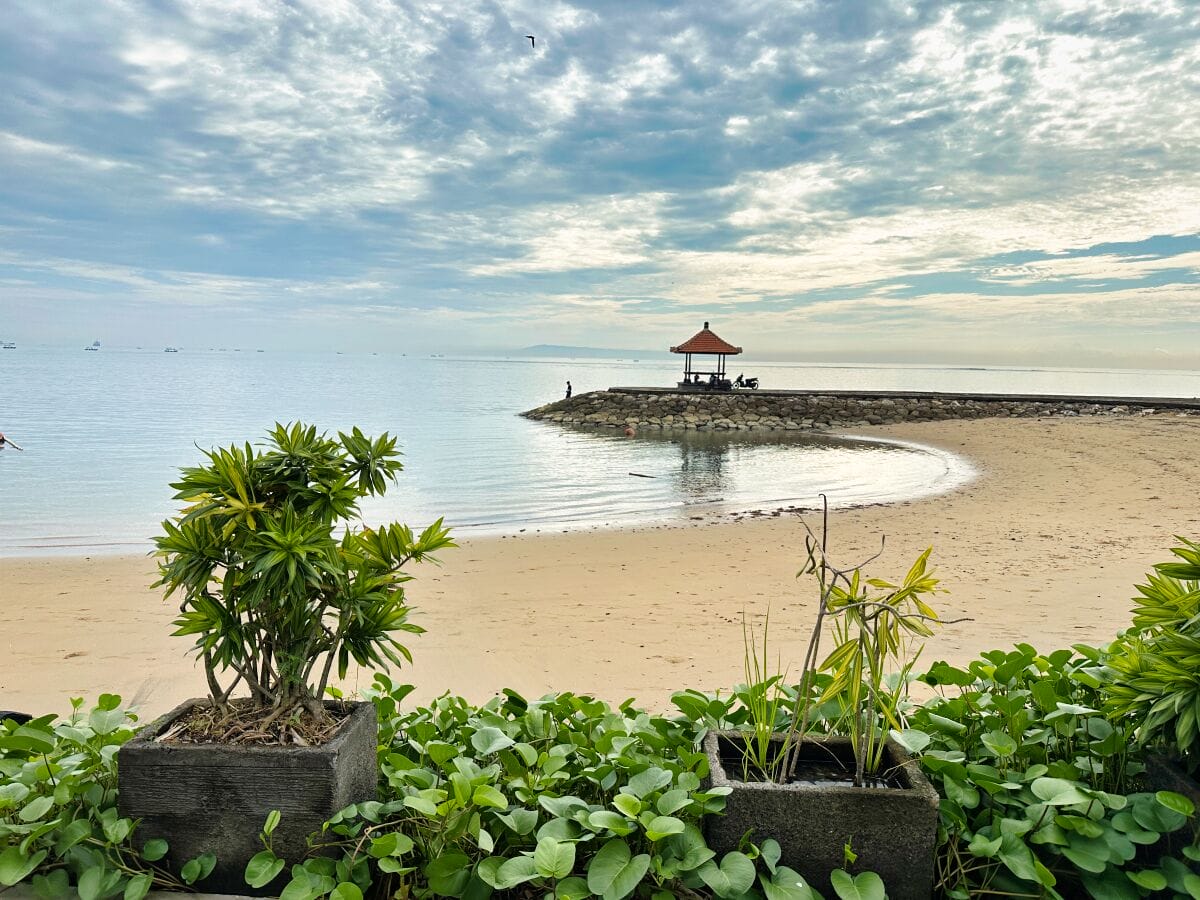
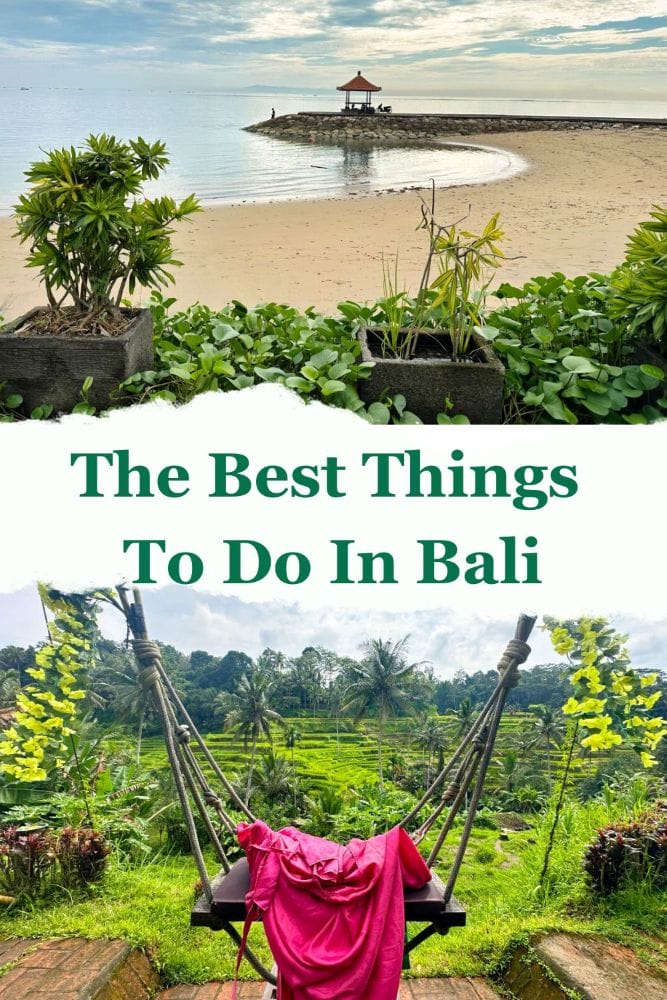
Nusa Dua Beach
Bali’s coastline has endless aquatic possibilities from the pristine white sands of Nusa Dua with its calm, protected waters perfect for families and luxury resort stays, to the dramatic surf breaks of Uluwatu and Canggu that draw wave riders from around the globe. The black volcanic sand beaches of Amed and Lovina in the north provide a quieter, more local experience with excellent snorkelling and diving opportunities just offshore. For sunset vibes and beach club culture, head to Seminyak, while laid-back Sanur offers gentle waves ideal for swimming and paddleboarding.
13. Take a Day Trip to Nusa Penida
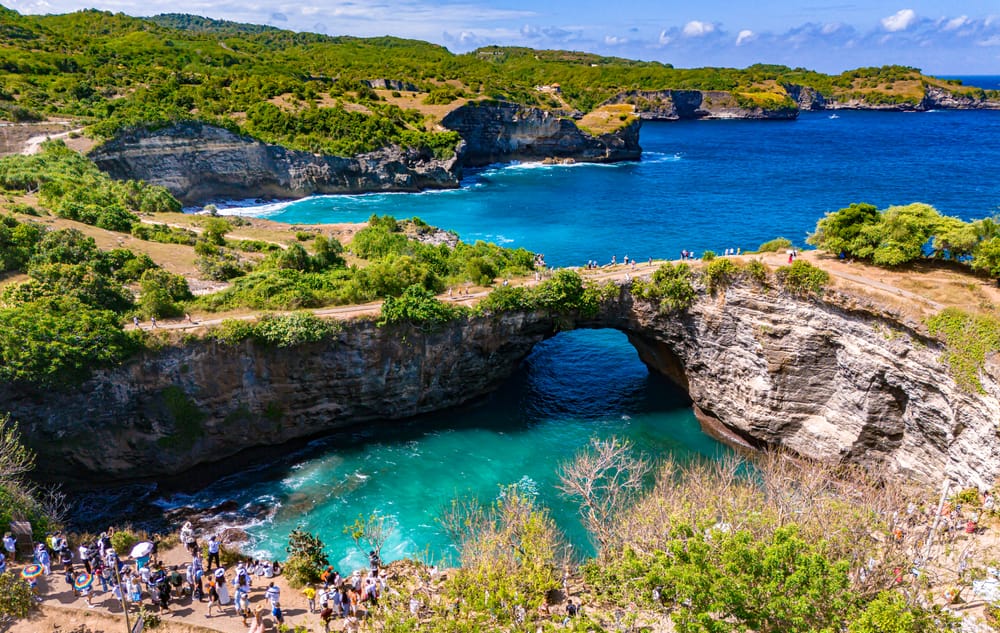
Broken Beach on Nusa Penida Island (cc: DepositPhotos)
Just a short boat ride from the mainland, Nusa Penida feels like a different world altogether. Rugged cliffs, hidden beaches and turquoise waters make it one of Bali’s most photogenic spots. It also provides some of Indonesia’s best diving and snorkelling, where you may encounter majestic manta rays gliding through crystal-clear waters. Kelingking Beach, with its famous dinosaur-shaped cliff, is a must-see, while Angel’s Billabong and Broken Beach showcase nature at its most dramatic.
14. Volcanoes

Mount Batur (cc: DepositPhotos)
Bali’s volcanic landscapes offer some of the island’s most thrilling adventures. Mount Batur, an active volcano at 1,717 metres, is perfect for sunrise treks where you’ll watch dawn break over the caldera while enjoying breakfast cooked in natural steam vents. After your trek, soak tired muscles in the natural hot springs around Lake Batur, warmed by geothermal activity beneath the earth’s surface.
For expert hikers, Mount Agung—Bali’s highest peak at 3,031 metres—presents a challenging climb that rewards you with views above the clouds across the entire island.
15. Balinese Dance
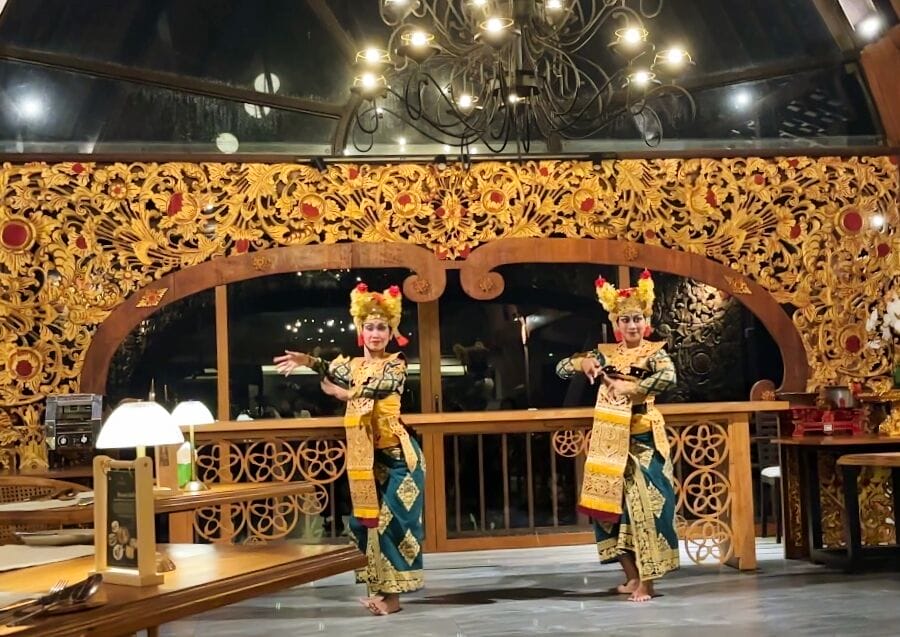
Balinese Dance
Traditional Balinese dance performances are a captivating window into the island’s artistic soul, combining choreography, elaborate costumes, and music. The Legong dance showcases young women in golden costumes performing intricate finger and eye movements that take years to master, while the Barong dance depicts the eternal battle between good and evil through colourful lion-like creatures and trance-like sequences. Performances happen nightly at Ubud Palace and various cultural centres, typically lasting 60-90 minutes. Many hotels also host these dances for resident guests. We witnessed it at Abisena Ubud.
What not to do in Bali
Gates of Heaven
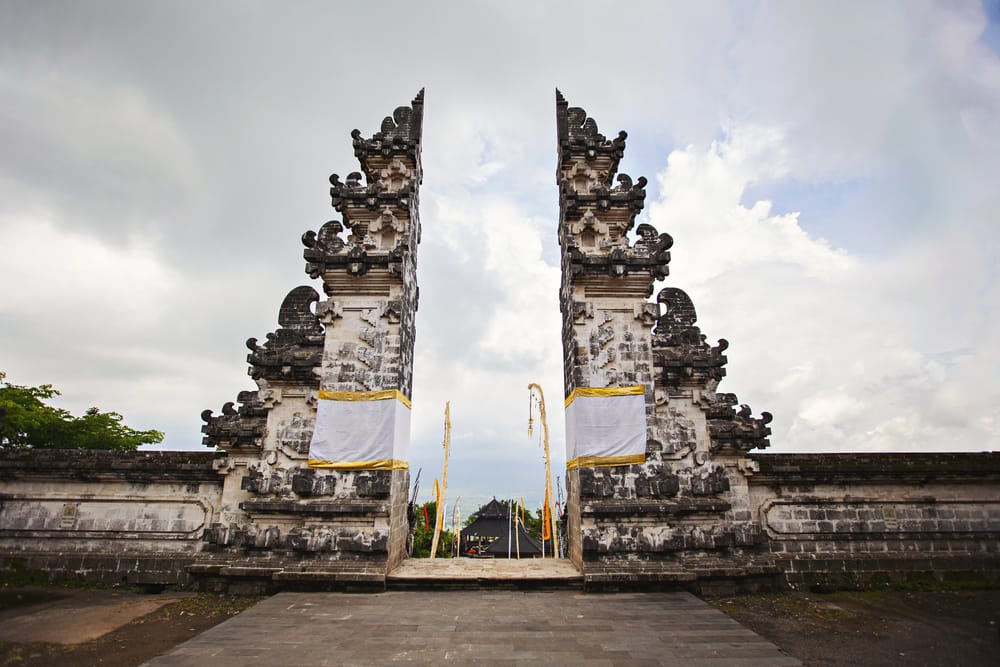
Gates of Heaven (cc: DepositPhotos)
Pura Lempuyang’s iconic Gates of Heaven have become one of Bali’s most photographed spots, promising that perfect shot with Mount Agung framing the ornate split gate. However, many visitors feel misled upon arrival—the “reflection” in those viral photos is actually created by a staff member holding a mirror under your phone, and you’ll likely wait 2-3 hours in a queue of hundreds for your 30-second photo opportunity.
The temple itself is beautiful, requiring a steep climb up hundreds of steps, but the commercialized photo setup at the gates feels far removed from any authentic attraction. Entry fees, sarong rentals, and pressure to tip the mirror-holders add up quickly. If you do visit, arrive at dawn to beat the crowds, or skip the famous gate entirely.
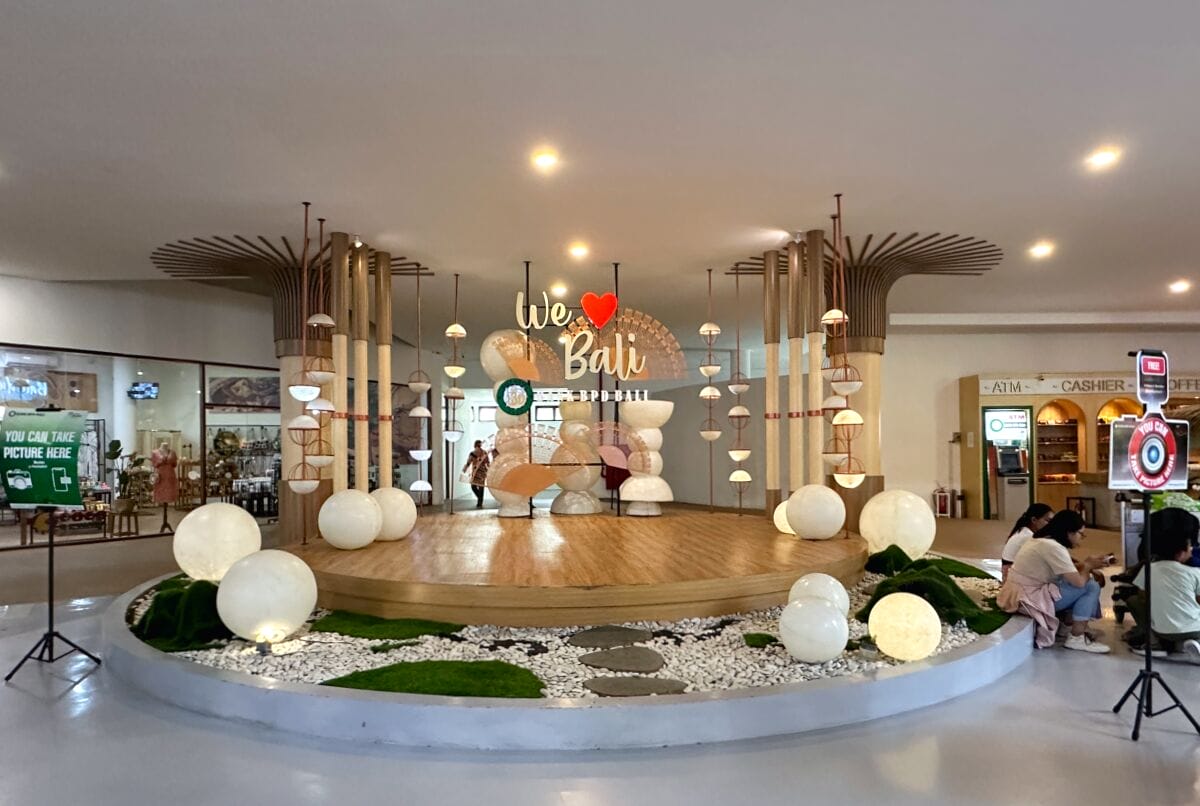
I Gusti Ngurah Rai International Airport
Where to stay in Bali
When deciding where to stay in Bali, it really comes down to the kind of experience you’re after. Ubud is ideal for nature and culture lovers, surrounded by rice fields, temples and jungle-clad valleys, with boutique hotels and wellness retreats that feel a world away from the coast. If beach time is top of your list, Seminyak and Canggu offer stylish resorts, villas and a lively café scene, while Uluwatu is known for clifftop stays with dramatic ocean views and easy access to surf beaches. For a more exclusive, resort-style holiday, Nusa Dua delivers calm beaches and luxury beachfront hotels, perfect for couples and families.
On this trip, I wanted a balance of tranquillity and luxury, culture and coastline — which is why I chose to split my time between Ubud and Nusa Dua.
We stayed at:
Abisena Wellness and Resort Ubud
The Garcia Ubud
Holiday Inn Resort Bali Nusa Dua By IHG
See more accommodation options here.
How to get around in Bali
Bali has an international airport, I Gusti Ngurah Rai International Airport, making it easy to fly directly there.
To get around in Bali, we used Grab & Gojek ride-sharing apps. Self-driving is not for the faint-hearted however many tourists opt to rent scooters or bicycles.
The best time to visit Bali
Bali’s dry season from April to October has the most reliable weather with sunny days, lower humidity, and minimal rainfall—making it ideal for beach activities, volcano treks, and exploring rice terraces. July and August are peak tourist months with higher prices and crowded attractions, while April, May, September, and October provide good weather with fewer visitors. The wet season from November to March brings afternoon downpours and higher humidity, but mornings are often clear, prices are lower, and the landscape turns brilliantly green—plus you’ll have popular spots mostly to yourself. Regardless of when you visit, Bali’s tropical climate means warm temperatures year-round, so pack light clothing, sunscreen, and a rain jacket just in case.
We visited in December and experienced some heavy rains in Ubud. There were floods in some areas of Bali too. The weather in Nusa Dua was hot and sunny though.
See how to apply for a visa for Indonesia.

Sara Essop is a travel blogger and writer based in South Africa. She writes about family travel and experiences around the world. Although she has been to 53 countries thus far, she especially loves showcasing her beautiful country and is a certified South Africa Specialist.






Discussion about this post