





American troops are again in harm’s way in the Middle East. Some will come home carrying wounds. Some will not come home at all.
In Congress, lawmakers are moving to make sure the families of those who do not return are not forgotten.
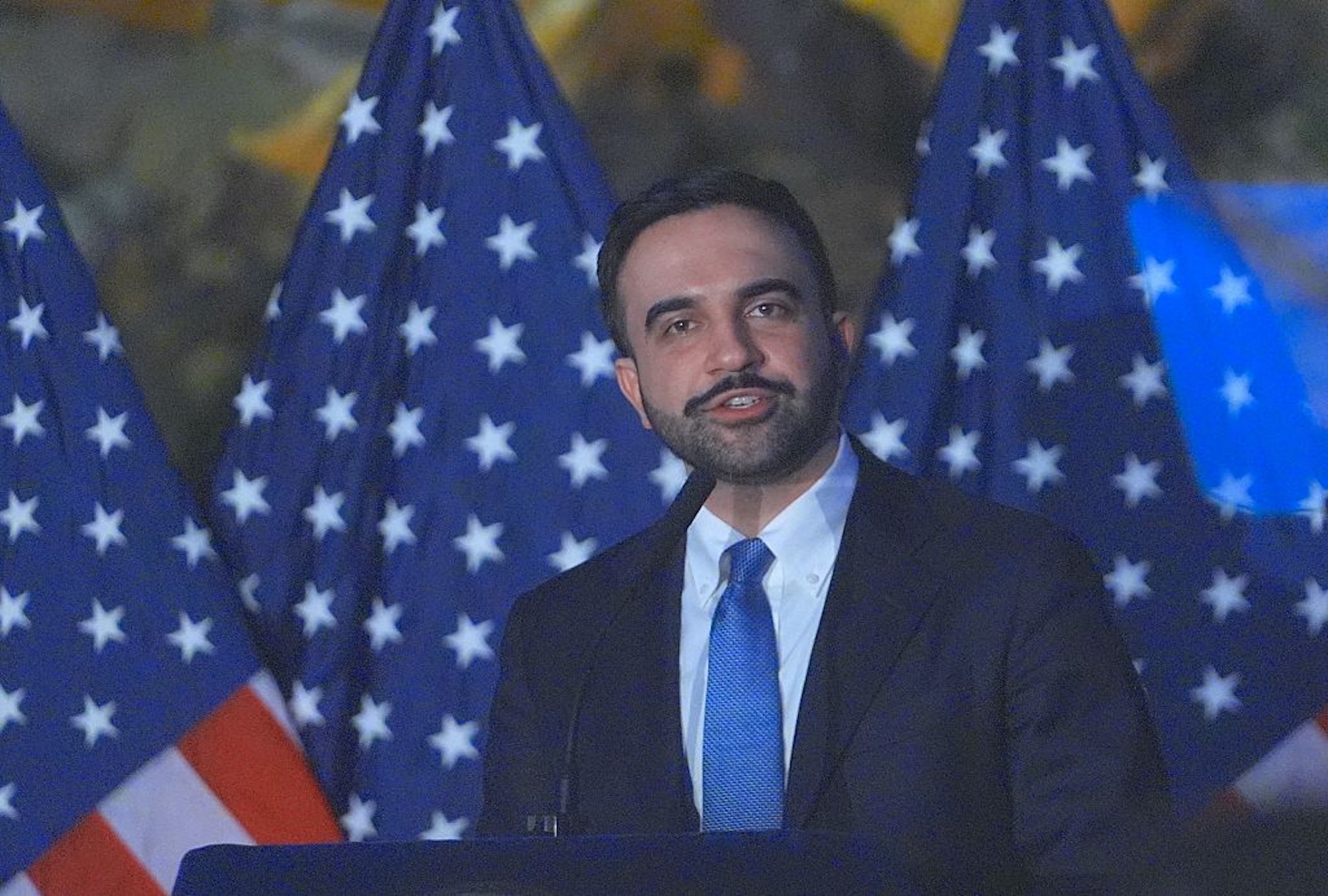
Rep. Matt Van Epps (TN-07) has introduced the HONOR Gold Star Families Act, legislation that would double the military death gratuity paid to the families of service members killed in the line of duty. The payment currently stands at $100,000, a figure unchanged since 2006. The bill would increase that amount to $200,000 and apply the change retroactively to the beginning of 2026 so that families who have already lost loved ones during the current conflict with Iran would be included.
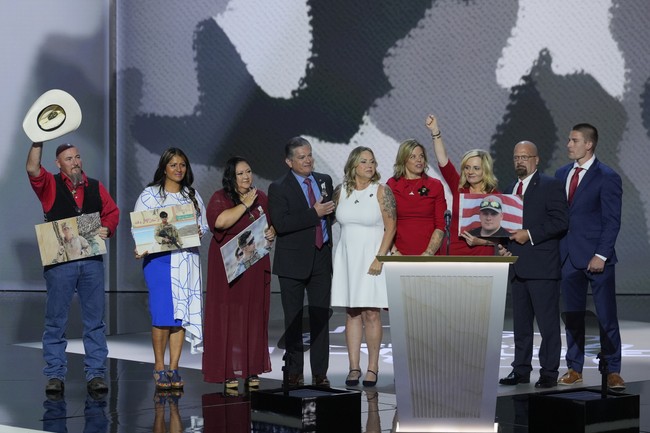
When the worst happens on the battlefield, the families left behind become part of a solemn fraternity that the country knows as Gold Star families. The legislation is meant to recognize that their sacrifice does not end when the war does.
The timing of the proposal reflects the reality that the country is now confronting. In recent days, news broke that a seventh American service member has died following Iranian attacks on U.S. forces in the region. Behind that headline is a grieving family and a life that ended in service to the country.
For Van Epps, a West Point graduate and combat veteran who served in Iraq and Afghanistan, the bill is rooted in a simple principle: When Americans send their sons and daughters into danger, the country has an obligation to stand with the families who bear the consequences.
“Unfortunately, this week we learned that a seventh servicemember has died as a result of an Iranian attack on U.S. forces in Saudi Arabia,” Van Epps told the Examiner.
“This is tragic news and undergirds the need to ensure that our Gold Star families are taken care of. That’s why I introduced the HONOR Gold Star Families Act alongside Reps. Kiggans and Tokuda. This bipartisan legislation demonstrates that when it comes to taking care of our troops and their families, there are no sides of the aisle. We are all Americans.”
The legislation is being introduced with bipartisan support, including backing from Republican Rep. Jen Kiggans (VA-02) and Democrat Rep. Jill Tokuda (HI-02), as well as several additional co-sponsors from both parties. That kind of cooperation is not always easy to find in Washington, but caring for military families has long been one of the rare causes that crosses party lines.
Van Epps said a recent conversation with a Gold Star spouse captured the stakes in a way that no policy briefing could.
For families, the loss is immediate and permanent. Funeral arrangements must be made. Children still need to be cared for. Mortgages, rent, and daily bills do not pause simply because a life was lost in service to the country. For many Gold Star families, the death gratuity is one of the first forms of support they receive as they begin navigating life after an unimaginable loss.
“As one Gold Star wife recently told me, ‘Your bills don’t get cut in half when you lose your spouse.’ Her words were a stark reminder of the difficult reality many Gold Star families face in the wake of unimaginable loss,” Van Epps said.
Organizations that work closely with the families of fallen service members have already voiced support for the proposal. American Gold Star Mothers, a long-standing organization with more than 140 chapters nationwide, supports the legislation. Military Veterans Advocacy has also endorsed the bill.
Retired Navy Commander John Wells, executive director of Military Veterans Advocacy, said the benefit has simply fallen out of step with the sacrifices military families continue to make.
“The fixed $100,000 death gratuity is no longer appropriate,” Wells said.
The broader context makes the issue even more immediate. The United States and Israel launched joint strikes against Iran earlier this year after intelligence indicated Tehran had amassed enough enriched uranium to potentially produce multiple nuclear weapons. Since the conflict began, the Pentagon has reported injuries to roughly 140 American service members deployed in the Middle East.
Read More: Gary Sinise Donates Big Bucks to Turn Vacant Church Into ‘Place to Go When the PTSD Hits’
Gold Star Parents Call for Biden, Others to Resign as Liberal Media Ignores Their Heartbreaking Testimony
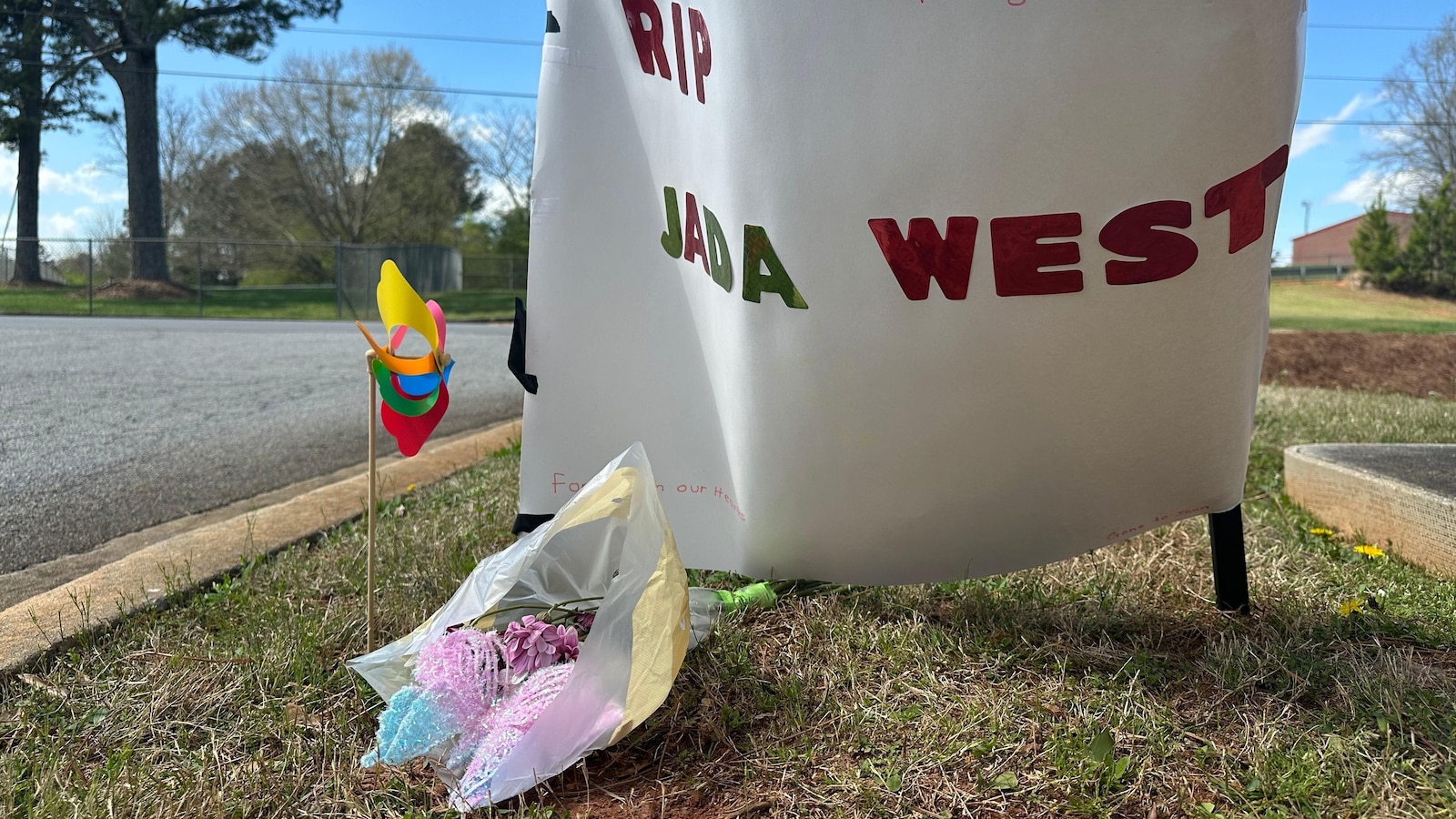
Several Americans have already paid the ultimate price. Six service members were killed in a retaliatory Iranian drone attack in Kuwait at the Port of Shuaiba, and another service member was later killed at Prince Sultan Air Base in Saudi Arabia.
Each loss carries a story. A parent who will never again hear their child’s voice. A spouse forced to rebuild a life without the person they planned to grow old with. Children who will grow up knowing their mother or father only through photographs, memories, and the stories others tell.
Those families do not ask for recognition. They rarely seek the spotlight. But their sacrifice is woven permanently into the story of the country.
No piece of legislation can take away the grief that follows a flag-draped coffin. Nothing Congress does will fill the void left behind when a service member does not return home.
But the nation can still choose what it does next. When Americans give their lives in defense of the country, the responsibility does not end at the battlefield. It continues in the quiet homes of the families who carry that loss forever. Supporting them is not charity. It is one of the most basic promises a grateful nation can make.
Editor’s Note: The mainstream media continues to deflect, gaslight, spin, and lie about President Trump, his administration, and conservatives.
Help us continue to expose their left-wing bias by reading news you can trust. Join RedState VIP and use promo code FIGHT to get 60% off your membership.






Discussion about this post