




/file/attachments/orphans/Bridge_448900.jpg "Nelson Mandela Bay’s ‘Smartie Bridge’ roadworks fall apart as trucks smash plastic height restrictors")
When the Nelson Mandela Bay metro finally set out to put measures in place to deter heavy vehicles from crossing the historic Wylde Bridge after years of complaints from concerned residents, no one anticipated that the efforts would fall apart before the roadworks were even completed.
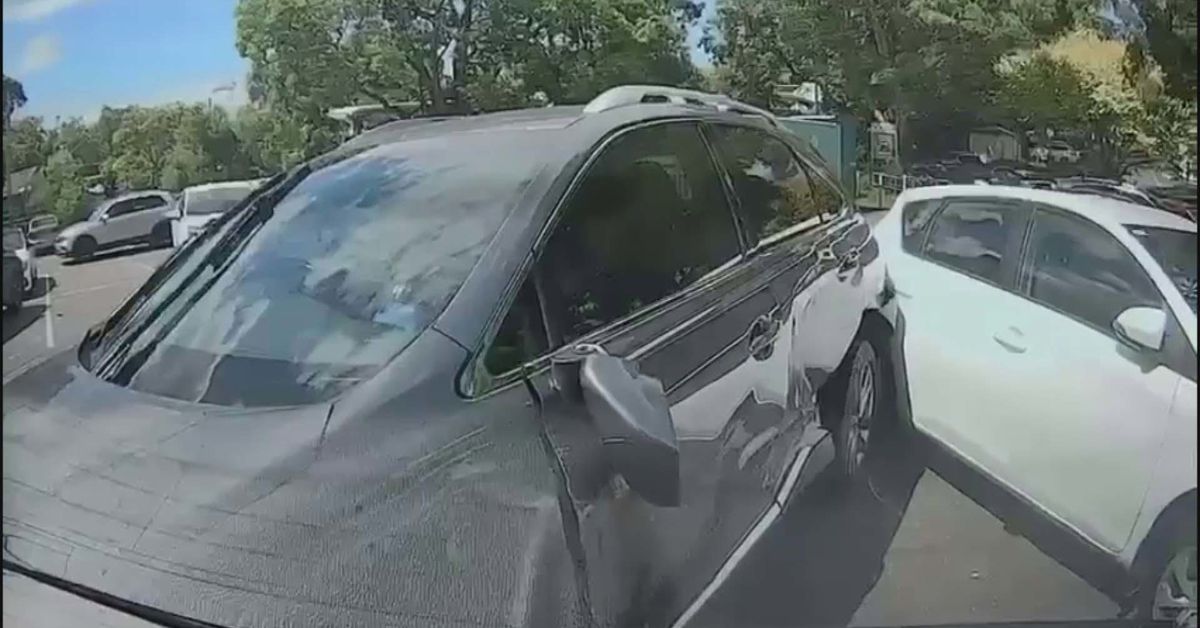
On Monday, heavy trucks damaged the newly installed height restrictors made of plastic material as they crossed the bridge that runs over the Swartkops River.
The restrictors were hung with wires on three wobbly poles reinforced with concrete on either side of the structure, popularly known as the “Smartie Bridge”.
The city has prohibited vehicles heavier than five tonnes and more than 2.5m in height from crossing the 147-year-old bridge.
The metro began the roadworks in April 2025 after complaints that heavy trucks were damaging the structural integrity of the 147-year-old bridge, which has not been routinely maintained.
/file/attachments/orphans/Truck_266787.jpg "A small truck carrying a load of wooden pallets that exceeded the 2.5m height limit damaged height restrictors on the bridge. (Screenshot: Supplied / Francis Jeffrey)")
The R2.3-million initiative aims to protect the bridge through upgraded approaches, roadwork, and kerbing. It also introduces traffic-calming measures and enhanced signage to permanently divert heavy traffic away from the structure.
Decades of rust and the removal of a critical height-restrictor bar have left residents convinced that a bridge collapse is inevitable. Every day, minibuses and taxis packed with pupils from Motherwell and Swartkops are forced to share the crumbling structure with heavy-duty trucks hauling manganese, placing young lives at constant risk.
Recurring pattern
Monday’s damage was part of a recurring pattern rather than an isolated incident. Since construction began, workers have been forced to repair or replace broken kerbs at least four times due to the constant impact of heavy vehicles.
Resident Francis Jeffrey, who is a member of a group of activists who have filed petitions about the bridge, said the truckers did not care about the road rules, and the lack of law enforcement from the municipality exacerbated this.
/file/dailymaverick/wp-content/uploads/2025/10/DSC_1562-copy.jpg "A plastic cylinder that was hung on poles to prevent trucks from using the bridge was damaged on Monday, 16 February. (Photo: Supplied / Linda Meandes)")
Another frustrated resident, Linda Meades, said they wanted a steel barrier that had been removed to be returned to the bridge because it had worked as a deterrent.
“The barrier was removed in 2016 when they painted the bridge, and it has never been returned. I believe this was done deliberately for the trucks to go through. We had requested for the barrier to be returned, but officials said they did not want to be liable for any incident that may occur.
“[We] were told by the city that the barrier can’t be reinstalled as it would put additional weight on the bridge, [which could] result in a collapse,” she said.
/file/attachments/orphans/Kerbs_506620_516550.jpeg "Kerbs on the bridge were damaged four times last year. (Photo: Supplied / Linda Meandes) <br />” srcset=”https://cdn.dailymaverick.co.za/i/MnOj1KjWtnyS-BODZQg1djWCh90=/200×100/smart/filters:strip_exif()/file/attachments/orphans/Kerbs_506620_516550.jpeg 200w, https://cdn.dailymaverick.co.za/i/_4y2EdmdhmYMqDowz-CfBeHyZb4=/450×0/smart/file/attachments/orphans/Kerbs_506620_516550.jpeg 450w, https://cdn.dailymaverick.co.za/i/jBj1V-wQub3zA-OdUvCSM7VG8rs=/800×0/smart/filters:strip_exif()/file/attachments/orphans/Kerbs_506620_516550.jpeg 800w, https://cdn.dailymaverick.co.za/i/8WP-MAscveipg7SvQxH7pDkxv4Q=/1200×0/smart/filters:strip_exif()/file/attachments/orphans/Kerbs_506620_516550.jpeg 1200w, https://cdn.dailymaverick.co.za/i/U8LWhVW6fgpWL1rHjf0zmKlJAGY=/1600×0/smart/filters:strip_exif()/file/attachments/orphans/Kerbs_506620_516550.jpeg 1600w, https://cdn.dailymaverick.co.za/i/9sQOU459cAtgW2yxswYeo_ne0f4=/200×0/filters:strip_exif()/file/attachments/orphans/Kerbs_506620_516550.jpeg 200w, https://cdn.dailymaverick.co.za/i/bJ2DEuDUeshLiFAj3S5e4O4lwh0=/400×0/filters:strip_exif()/file/attachments/orphans/Kerbs_506620_516550.jpeg 400w” style=”object-position: 50% 50%”/><figcaption>Kerbs on the bridge were damaged four times last year. (Photo: Supplied / Linda Meandes) <br /></figcaption></figure>
<h3>Longer-term solutions</h3>
<p>Municipal spokesperson Sithembiso Soyaya said the current project aimed to protect the bridge, improve safety and extend its service life while longer-term engineering solutions were assessed.</p>
<p>“The selection of the installed height restrictor system was informed by engineering and life-cycle considerations. Steel restrictors in a coastal environment are vulnerable to corrosion, vandalism and long-term maintenance challenges.</p>
<p>“The installed mechanisms are reinforced and weighted to provide effective resistance and operate as part of an integrated traffic management design rather than as standalone devices.”</p>
<p>Soyaya said damage to sections of kerbing had occurred before the concrete had fully hardened. </p>
<p>“At that stage, supporting road furniture such as bollards and guardrails had not yet been installed, creating an opportunity for non-compliant vehicles to force their way through the narrowed section. The full installation of the traffic calming and access control system will significantly strengthen restrictions.”</p>
<figure><img decoding=")
He said the municipality was working with law enforcement authorities to increase compliance monitoring and prevent prohibited vehicles from using the bridge.
Structural assessments of the bridge, he said, “will inform the scale and timing of future rehabilitation or replacement interventions. Because of the age of the structure and the complex environmental conditions at the site, a precise refurbishment figure cannot yet be confirmed. However, early engineering indications suggest that a full structural refurbishment would likely exceed R40-million.”
Soyaya said the metro acknowledged the concerns raised by residents and was committed to protecting critical infrastructure while ensuring public safety through practical, evidence-based, financially responsible interventions. DM




/file/attachments/orphans/Bridge_448900.jpg&description=Nelson%20Mandela%20Bay%E2%80%99s%20%E2%80%98Smartie%20Bridge%E2%80%99%20roadworks%20fall%20apart%20as%20trucks%20smash%20plastic%20height%20restrictors)
Discussion about this post