





Dive Brief:
- Public colleges could face more financial stress in the coming years as state budgets struggle to adapt to federal policy shifts and sluggish economic growth, according to a Thursday report from Fitch Ratings.
- When under budgetary pressure, states have often cut higher education funding, as it’s “one of the more discretionary portions” of their budgets, analysts said. They added that less funding could lead to increased consolidation within and across public institutions.
- Analysts also noted that colleges might also consider divesting and monetizing “non-core assets” to help ensure financial sustainability.
Dive Insight:
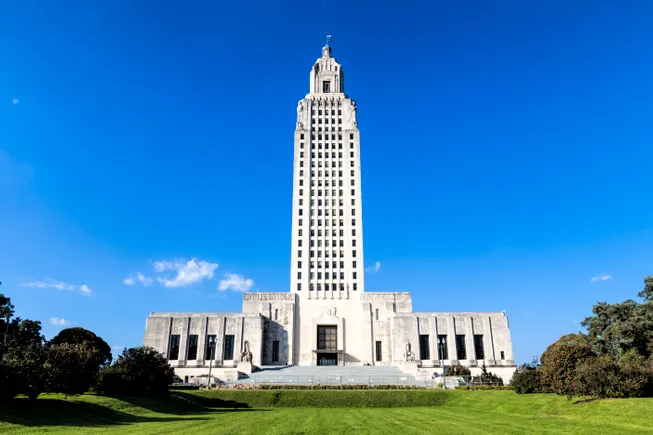
Fitch flagged a handful of the states where higher ed appropriations are pressured: Illinois, Indiana, Louisiana, Missouri, Ohio and South Carolina. Of those, Indiana and Louisiana’s funding per full-time equivalent student fell in fiscal 2026. In Missouri, overall higher ed spending fell for the year, and it’s set to decline in Ohio in fiscal 2027
“State budget dynamics may translate into rising credit pressure for some universities,” Fitch analysts said in the report, but they said that they don’t expect to make widespread downgrades or other ratings actions.
“Public institutions generally benefit from a wider operating and asset base than private peers and have meaningful capacity for strategic realignment to support long-term sustainability,” they added.
Aside from direct funding, the Fitch report pointed out that less funding for public institutions’ scholarships could also exacerbate enrollment challenges for those colleges.
Concerns about state budgets grew with the passage of Republicans’ big tax and spending bill last summer. Along with numerous changes to federal higher education funding and policy, it brought steep cuts to programs such as Medicaid and food assistance.
Some observers have pointed out this could bring indirect pressure to colleges, as states make choices between funding for higher education and backfilling the federal cuts.
Liz Clark, the vice president for policy and research at the National Association of College and University Business Officers, began warning of potential competition for funding within state budgets last year.
“If you thought your current battles with your state legislature were bad, just wait for what’s to come in 2026,” she told college leaders in July.
One group of academic researchers have called higher ed spending the “balance wheel” for states — meaning it’s often the first to get cut in tough economic times to relieve state budget pressures.
Fitch analysts pointed out, however, that many of the federal changes don’t take effect immediately and give states time to plan, though some may increase their spending on SNAP food assistance in the nearer term.
State higher education funding grew by just 1% before inflation in fiscal 2026, marking the slowest year-over-year pace since 2021, according to the State Higher Education Executive Officers Association’s latest Grapevine report.
Within that average increase is a lot of variety. The report found that 33 states increased higher ed funding at levels ranging from over 12% to just above zero — while 17 states cut back funding.
Fitch’s report also flagged that slow funding growth comes even as public college enrollment rises.









Discussion about this post