








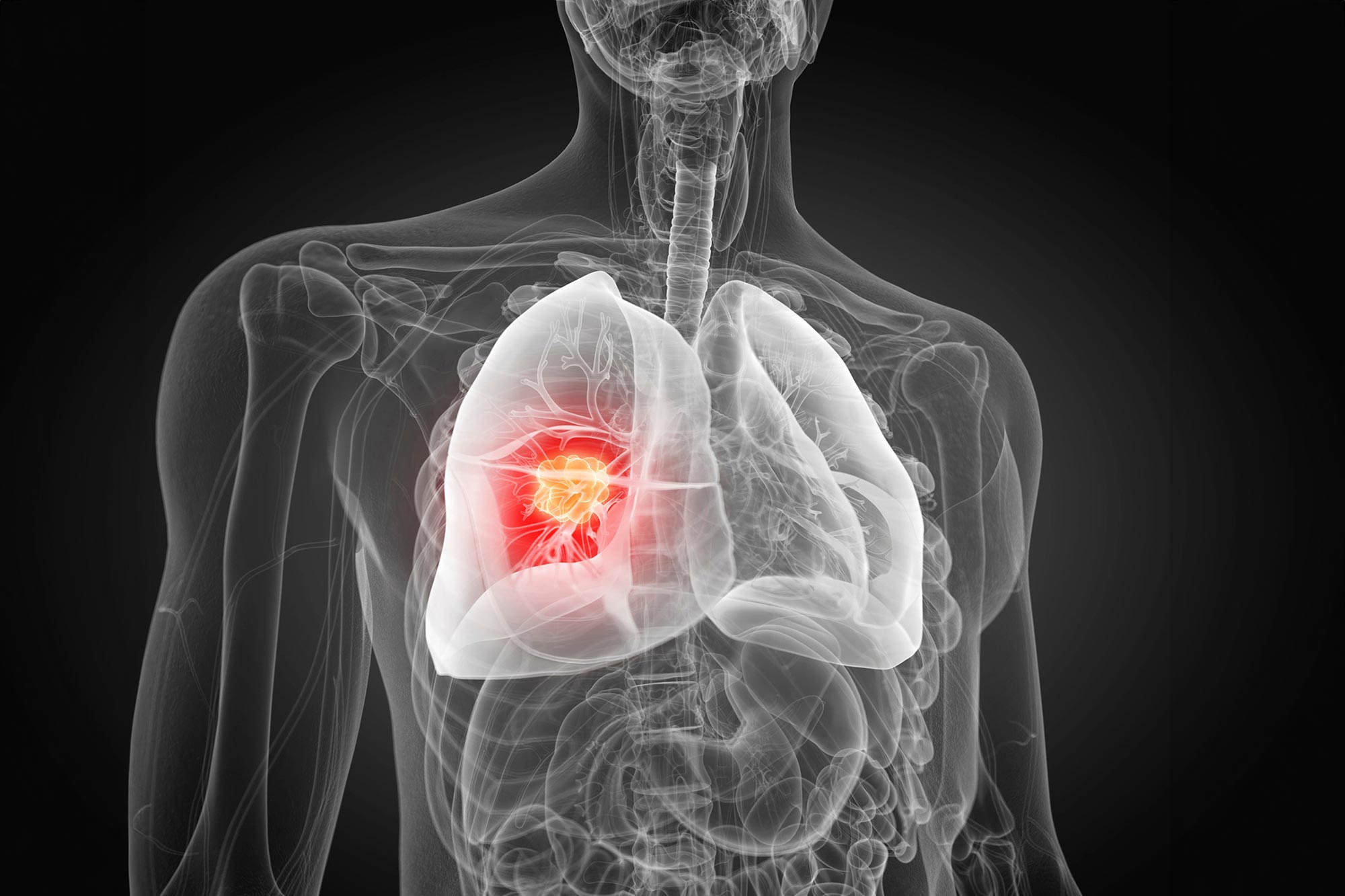
Research reveals that non-smokers with non-small cell lung cancer (NSCLC) often resist targeted treatments due to mutations in the EGFR and p53 genes, which lead to genome doubling and drug resistance. This has significant implications for treatment strategies and diagnostic tests.
Researchers have discovered the reason why targeted treatment for non-small cell lung cancer fails to work for some patients, particularly those who have never smoked.
The study shows that lung cancer cells with two particular genetic mutations are more likely to double their genome, which helps them to withstand treatment and develop resistance to it. Conducted by researchers from UCL, the Francis Crick Institute, and AstraZeneca, the study is published today (June 13) in the journal










Discussion about this post