









Historic Wins for LGBTQ+ Representation Amid Mixed Messages in Recent Elections
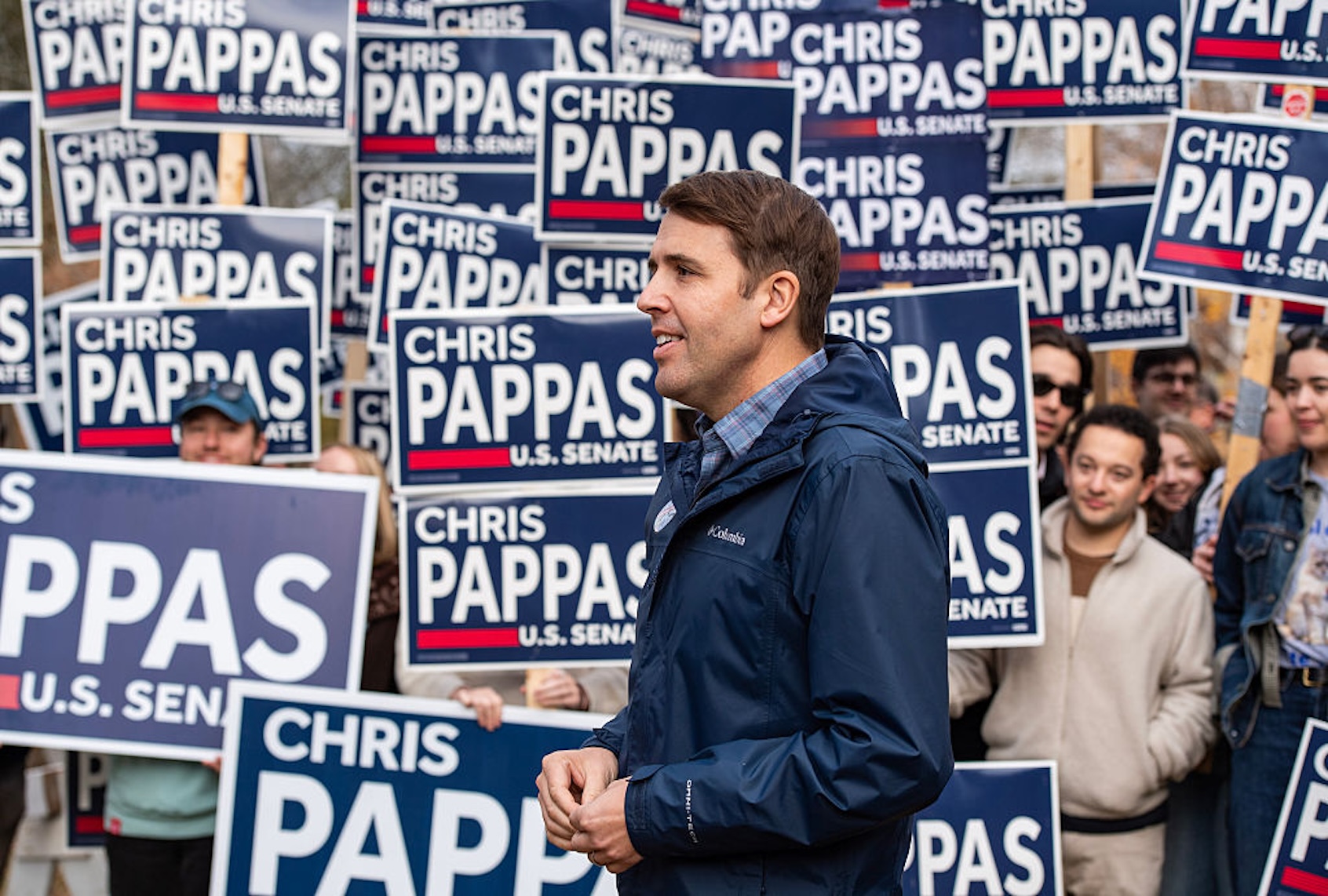
On Tuesday evening, two significant events unfolded in U.S. politics, each potentially overshadowing the other. The first was a historic milestone in New Hampshire, where Chris Pappas secured a seat in the U.S. Senate, becoming the first openly gay man to achieve this distinction. His victory played a crucial role in helping Democrats retain control of the Senate.
Additionally, J.D. Ford made headlines in Indiana as the first openly gay individual elected to the state legislature, successfully defeating a Republican incumbent to advance to the House. In a surprising turn from Texas, James Talarico triumphed over Ken Paxton, marking the first statewide Democratic win in over three decades. This victory was particularly noteworthy given Paxton’s campaign, which relied heavily on anti-LGBTQ+ rhetoric, and even featured the Vice President using “gay” as a punchline against him.
Further east on Long Island, Chris Gallant, a gay Democrat, challenged the incumbent Republican Nick LaLota in a district that Trump had previously carried. Although Gallant ultimately conceded the race, finishing roughly 6,700 votes behind, he came remarkably close to flipping what was considered a safe Republican seat. His campaign faced adversity when private photos were leaked as an apparent smear tactic. Despite this, Gallant maintained a stance of dignity and unity, referring to his opponent as a “brother in arms” even in defeat. He demonstrated resilience against what was intended as a disqualification.
“In 2026, you cannot reliably win an American election by making a man’s gayness the center of your campaign.”
The outcomes highlighted a striking shift in electoral dynamics: it is increasingly clear that voters no longer respond favorably to campaigns centered on homophobia. Attempts by Republicans in Texas and Long Island to leverage anti-gay sentiment resulted in significant losses, indicating a fading effectiveness of such strategies.
However, while the achievements for openly gay candidates are commendable, another narrative unfolded in the same election cycle that demands attention. In Arizona and Nebraska, voters approved measures restricting transgender girls from participating in girls’ sports. Furthermore, initiatives in Colorado regarding transgender youth faced narrow approval, with similar outcomes for initiatives in Washington State.
This juxtaposition reveals a troubling trend. While LGBTQ+ representation made significant strides, the discrimination against transgender individuals persists. The political landscape appears to have shifted its focus from openly gay candidates to the next vulnerable target: transgender youth.
Historically, this pattern of scapegoating marginalized communities is not new. From the AIDS epidemic to portrayals of gay men as predators, the narrative has shifted over time. Currently, the conversation surrounds transgender individuals, often painting them as a threat, which is reflected in recent electoral decisions targeting their participation in sports and healthcare.
While the achievements of Pappas and Ford are undeniably significant, it is crucial not to overlook the ongoing adversity faced by the most vulnerable within the LGBTQ+ community. The progress made does not absolve the collective responsibility to advocate for all members, particularly those who lack a powerful voice in political discussions.
Gallant’s near victory serves as a beacon of hope yet highlights the need for vigilance against the ongoing discrimination faced by transgender individuals. The stakes are higher now than ever; it is imperative to extend the fight against prejudice beyond acknowledgment of victories for representation to actively challenge discrimination faced by those still at risk.
The question remains: will society allow the cycle of discrimination to continue unchecked, or will it take a firm stand against those wielding hate as a political weapon? The results of Tuesday’s elections send a clear message; while strides are made, vigilance and action are essential to ensure no community member is marginalized again.
Read more
from Dimitrios Aletras Jr.





Discussion about this post