








Trump Considers Military Action in Cuba Before Presidential Term Ends
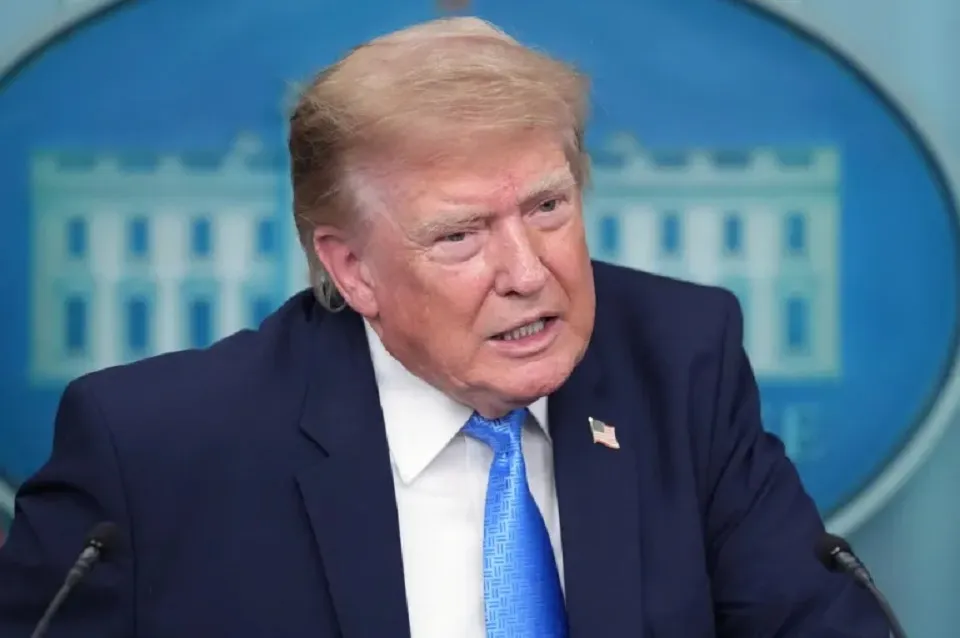
US President Donald Trump has indicated that he may consider military intervention in Cuba prior to the conclusion of his presidency, raising significant concerns regarding America’s strategy towards the communist-led island nation.
Trump’s Comments on Military Options
During an interview with conservative radio host Hugh Hewitt on Thursday, Trump expressed a desire to address matters related to Cuba before he exits office. He indicated that a military intervention remains a viable option under consideration.
“I want to get Cuba done before I leave,” Trump stated, responding to a question about the possibility of “freeing Cuba” through military means.
Marco Rubio’s Role in Cuban Strategy
Trump suggested that Secretary of State Marco Rubio could play a pivotal role in any actions directed towards the Cuban government, underscoring the administration’s strong political interest in the situation on the island.
“We have a very good, talented guy for Cuba named Marco, because Marco’s parents are from… Cuba, as you probably know, and he would love to do that,” commented Trump.
Timeline for Military Action
Although Trump has articulated a long-standing ambition to dismantle Cuba’s communist regime, his recent remarks are the first instances where he has attached a specific timeline to potential military action. This development could signify Cuba becoming a critical foreign policy focus before the end of his term.
Increased Pressure on Cuba
These comments have sparked heightened speculation regarding U.S. policy toward Havana, especially in light of recent developments, including increased pressure on Venezuela, a close ally of the Cuban government.
In March, Trump indicated that he believed it would be his “honor to take Cuba,” signaling intentions for significant political change in the nation. His latest remarks further clarify that he aims to achieve this goal before leaving office.
Impact of Sanctions and Economic Crisis
The U.S. administration has ramped up pressure on Cuba since the removal of Venezuelan President Nicolás Maduro, which had severe ramifications for Cuba’s already precarious economy. Following Maduro’s ousting through a U.S. operation ordered by Trump, an oil blockade was imposed on Cuba, exacerbating the nation’s economic challenges.
Cuba has historically relied on Venezuelan oil for its energy production, and disruptions in these supplies, coupled with existing U.S. sanctions, have triggered a critical energy crisis. The country’s electrical grid is experiencing severe disruptions, leading to widespread power outages and deteriorating humanitarian conditions.
Political Context and Domestic Implications
Trump’s remarks come during a politically charged moment for his administration, following a significant defeat in the midterm elections. Voter dissatisfaction over the handling of international conflicts, especially the war in Iran, appears to have influenced electoral outcomes.
The ongoing conflicts have led to rising costs for basic goods, placing additional economic strain on American families and complicating the administration’s domestic political standing. In this context, Trump’s statements regarding Cuba may reflect an effort to pursue substantial foreign policy initiatives while also catering to a vital constituency in the U.S.
Cuban-American Support
During his interview, Trump specifically referenced Cuban-Americans supportive of his administration in Florida, indicating a desire to act on their behalf. “Frankly, I’d love to be able to do it for the people, for the Cubans that came and were treated really badly,” he stated.
Cuban-Americans, especially those residing in Florida, have historically held considerable sway in U.S. politics, typically advocating for tougher stances on Cuba, though it’s essential to note that the political opinions within this community are diverse.
Questions Surrounding Military Plans
Secretary of State Rubio, whose parents immigrated from Cuba, has been a strong proponent of a more aggressive U.S. approach toward the Cuban regime. His position lends him significant influence in shaping Washington’s policies regarding the island nation.
Despite the weight of Trump’s remarks, important questions remain, including whether a specific military strategy has been developed, what circumstances might provoke intervention, and whether diplomatic efforts will be pursued as alternatives.
A New Chapter in U.S.-Cuba Relations?
A military intervention would signify a drastic escalation in the long-standing conflict between the United States and Cuba, which has been under communist control since Fidel Castro’s revolution in 1959. The two nations have a history marked by enmity, sanctions, and diplomatic strife, despite occasional attempts at reconciliation.








Discussion about this post