









GRAND RIVERS, Ky. — In light of the Jan. 5 ice storms causing power outages, people were left to find alternate heating sources to keep warm. However, knowing what you can and can’t do when supplementing your main source of heat can keep you and your family safe.
People commonly use generators to re-power their homes if a power outage occurs. However, Patrick Caskey with Reliable Electric said people often don’t know how to properly use them, which could lead to injuries or fatalities.

Always keep a regular maintenance schedule of your generator. Caskey encourages people to test run them every month, check oil levels, and filters to ensure its longevity.
According to the U.S. Consumer Product Safety Commission, approximately 100 people die each year from carbon monoxide poisoning associated with portable generators.
While generators can power your home, there are some common mistakes people make when using them. Caskey said the main mistake people make is running a generator in an enclosed space like their home or garage. Generators run off gasoline and emit carbon monoxide. If a generator runs in an enclosed area, the gas cannot escape into the air, trapping it. When a person breathes too much carbon monoxide, they die.
“It’s a killer. The deadly killer, silent killer. No smell, no taste, just dead,” Caskey said.
You should also never plug too many heaters into a generator, especially if they have different wattages. Caskey noted that a standard room heater runs about 1500 watts. Depending on your generator’s capability, Caskey recommends limiting two heaters to one generator.
“If you overload it, this is going to cause your generator to bog down, and then just no good can come out of that,” Caskey said.


Caskey encourages people to install whole home generators, especially if they use medical machines at home. These generators are stationary and are commonly connected to a larger gas or propane source which can last for days if a power outage occurs. This type of generator also powers your whole home, while portable generators only power enough to run the necessities like refrigerators, lights, and heaters.
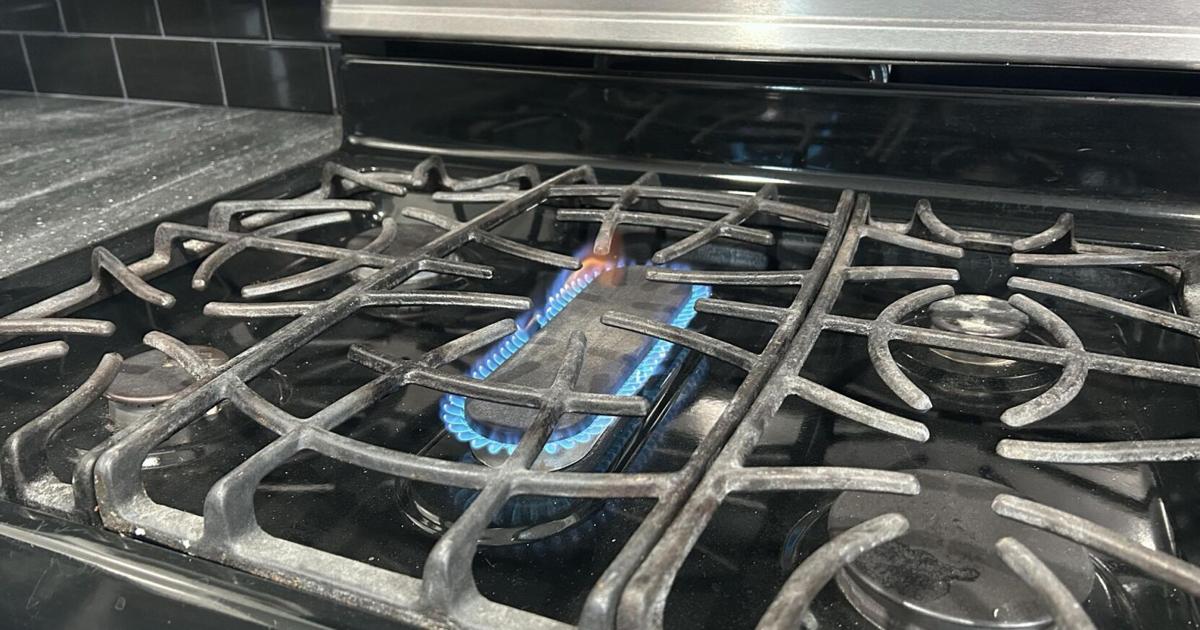
For people who may not have access to a portable heater, Emily Morgan with Reliable Electric pointed out that people may use heat from their stoves, electric, and gas. However, it’s encouraged to leave the stove for cooking instead of heating your home, mainly for gas stoves.
Like a generator, if the pilot goes out on your stove, those gases can increase your chances of carbon monoxide poisoning. Morgan said using an oven can also increase the chances of a fire, electrical malfunctions, and burns. It can also cause an uneven coverage of heat throughout the home.
“You can use it for cooking, and if that naturally heats your home, but never use it to actually supplement your heat,” Morgan said. “You can fill your home with fuel. You have static within your home which could cause and ignite and cause fires and again, carbon monoxide doesn’t have a smell.”
According to AAA, individuals should refrain from using charcoal grills, hibachis, lanterns, or portable camping stoves in homes, tents, vehicles, or campers. Each can heighten your chances of dying from toxic fumes.


Using a gas stove or oven increases the chances of carbon monoxide poisoning and burns. Instead of using an oven, and there’s no way to keep warm, you should seek other places to stay like a temporary shelter or friend’s house until your power is restored.
Caskey encouraged people to do regular maintenance on their generators. He compares a generator to a car, saying, “It’s a small motor.” He noted that you must keep a check on the generator’s oil, fuel level, and filters to ensure it’s working when you need it.
“Test fire once a month, or every other month,” Caskey said. “Let them run for a couple of hours. I also recommend using the high-quality fuel, your recreational fuel, your higher octane to run your generators.”










Discussion about this post