









Global Impacts of Armed Conflict on Civilians
Across various regions, individuals find themselves subjected to overwhelming forces that are beyond their control, often confined by circumstances they cannot alter. Engaging with voices from Southeast Asia to North Africa, a common thread emerges: the harrowing impact of organized, armed violence on civilian life. Diverse backgrounds—ethnicities, races, and religions—unify these individuals in their experiences of warfare, which intrudes upon their daily existence without warning.
When one reflects on warfare, soldiers often come to mind. However, modern conflicts predominantly affect civilians rather than combatants. The gruesome realities of armed conflict reveal that not only do soldiers perish, but civilians frequently bear the brunt of violence. Those who flee battle often find themselves in refugee camps, yet these temporary havens do not shield them from the war’s repercussions. The persistent memory of violence looms large, as illustrated by stories of innocent civilians enduring unspeakable horrors.
Through the lens of a war reporter, it becomes evident that ordinary people exhibit extraordinary resilience. They demonstrate an exceptional ability to withstand unimaginable situations; however, the capacity to confront the sources of their suffering and oppression often remains elusive. As conflicts rage on, safety becomes subjective—seeking refuge may only offer a momentary reprieve from the devastation of war.
The Complex Situation in Gaza
In her debut article for TomDispatch, international lawyer Safia Southey analyzes the ongoing plight of Palestinians in Gaza—a population ensnared in a perpetuating conflict that steadfastly declines to resolve. The supposed ceasefire has not halted military incursions; instead, it has ensnared the populace in a “zombie conflict” with uncertain prospects for recovery. Southey provides valuable insights into this issue, scrutinizing the intended and unintended consequences of such ceasefires.
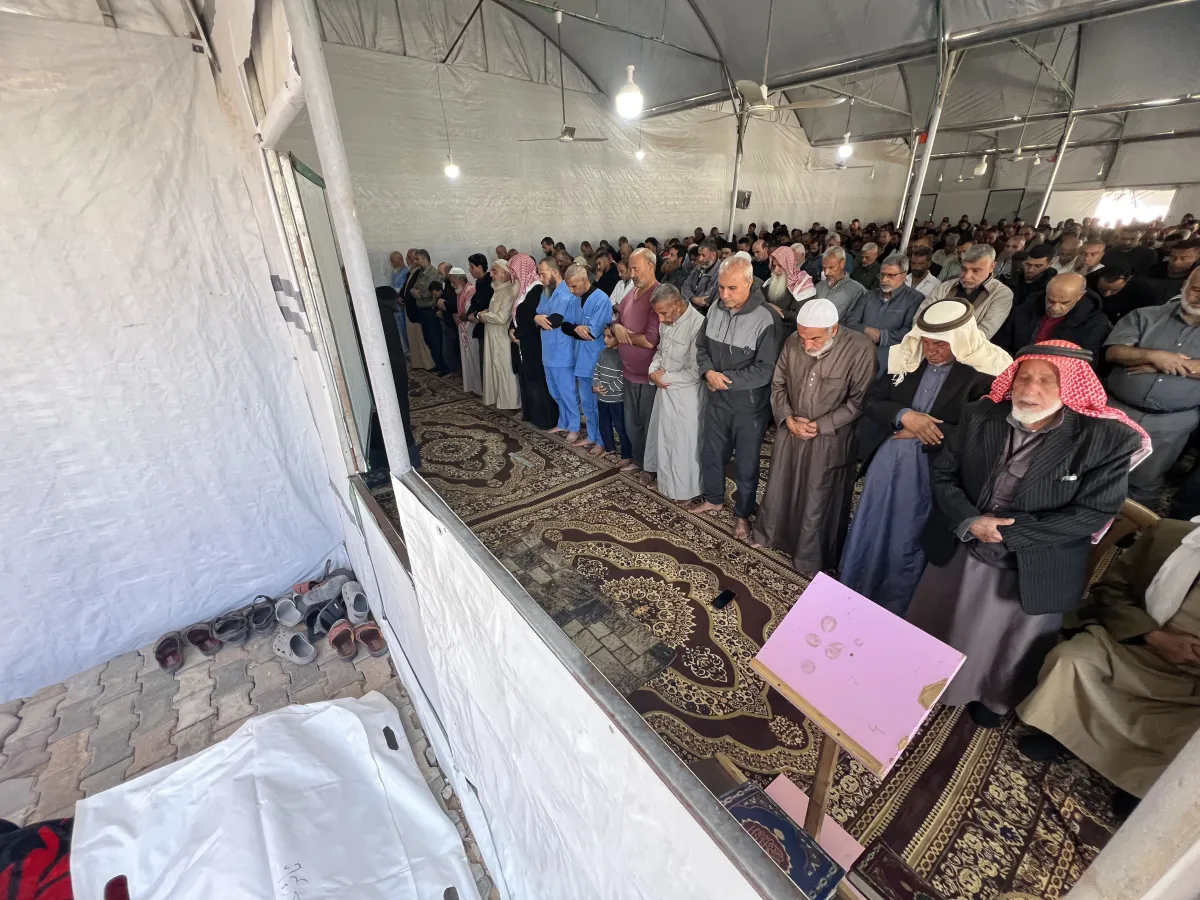
Abdullah Abu Zubaida’s family, along with Ne’man Abu Jarad and his daughters, now endure their lives in shelters made from the ruins of their former homes, navigating the ambiguity linked to their future. For countless Palestinians, this ambivalent state, where military strikes persist despite declared ceasefire agreements, endangers any meaningful resolution, leaving control of their fate in the hands of external authorities.
A Lasting Legacy of External Control
The current state of Gaza is rooted in a historical landscape marred by displacement and external dominion. Following a 1947 U.N. resolution to partition Palestine, a subsequent war resulted in the mass exodus of around 750,000 Palestinians, many gravitating towards Gaza. With Israel’s continued occupation since 1967, the dynamics of power and governance remain complicated and fraught with tension. Notably, Israel maintained significant control over borders and essential resources despite its withdrawal of troops in 2005.
The framework of Palestinian governance was conceived as a temporary solution but has persisted for far longer than intended. The governance structure initiated by the Oslo Accords in the 1990s is still pivotal in discussions concerning Gaza’s future. The struggle over power has been exacerbated by the 2006 electoral victory of Hamas, further complicating the humanitarian situation and triggering extensive restrictions by Israel.
Conditions of the Current Ceasefire Framework
The ceasefire arrangement endorsed by the U.N. Security Council in 2024 outlines a series of phases aimed at establishing lasting peace, yet the lack of well-defined terms for Israeli withdrawal or Palestinian governance continues to pose significant challenges. The overarching governance structures remain contingent on outside actors, ensuring that the existing dynamics of control are preserved at the expense of genuine autonomy for the Palestinian people.
The Security Council’s recent resolutions highlight the complexities involved in facilitating a transition towards stability while simultaneously managing entrenched systemic control. Observers note that without concrete timelines and clear benchmarks for progress, the situation is destined to languish in a state of disarray, with the potential for indefinite delays in the pursuit of self-governance for those affected.
The Cost of Inaction and Stalled Agreements
As the humanitarian crisis escalates, the implications of delay become acute. Reports indicate that displacement compounds risk factors, with crowded shelters unfit for habitation and shortages of essential resources exacerbating suffering. With winter impending, families find themselves in desperate need of resolution regarding their housing and livelihood, while external powers continue to dictate the terms of their existence.
The financial realities are equally stark: debt and economic hardship stifle efforts for recovery, while international aid is often caught in the cycle of conflict management rather than resolution. The dynamics of control present significant barriers, where local governance is disempowered under the weight of external influence and oversight.
Conclusion: Pathways for Genuine Resolution
The convoluted nature of ceasefires, especially when tethered to external mediation, creates a precarious situation that risks entrenching divisions rather than fostering genuine peace. The recurring themes of dependency on foreign authority and stalled negotiations pose significant challenges to achieving sustainable self-determination for the people of Gaza. With the situation remaining fluid and uncertain, local families cling to hope, waiting for a future where they can reclaim their autonomy, absent from the influence of outside powers.





Discussion about this post