









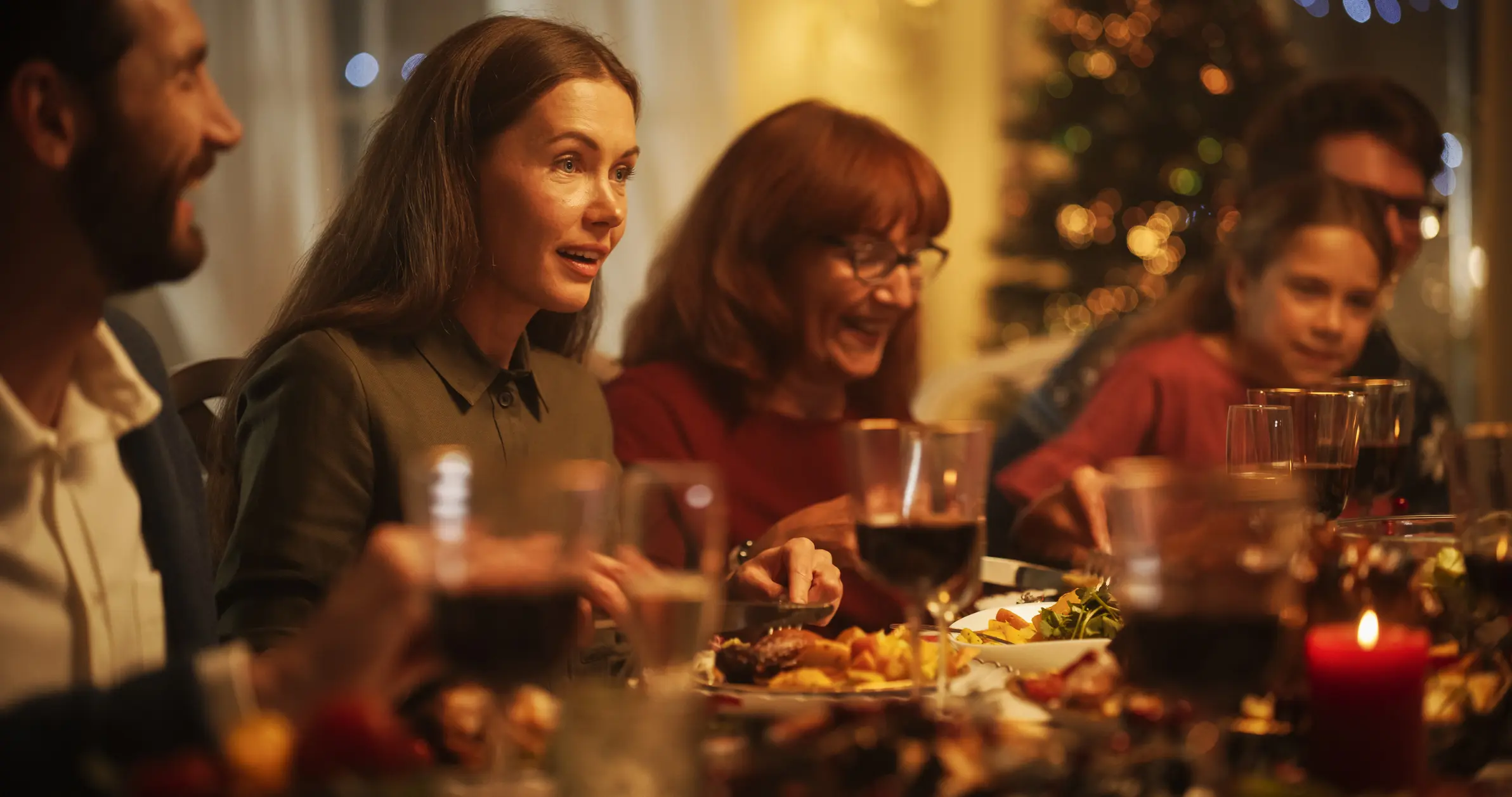
Thanksgiving: Beyond Gratitude and Togetherness
Thanksgiving is traditionally a time for reflection, appreciation, and connection with loved ones. Families often traverse great distances, invest considerable time in meal preparation, and gather around tables filled with familiar faces. Yet, the essence of feeling connected can sometimes be elusive, even amidst the festivities.
It is not uncommon to find oneself seated at the dinner table, surrounded by lifelong acquaintances, grappling with the challenge of initiating meaningful conversation. Familiar questions and repetitive anecdotes can dominate the dialogue, often leading to avoidance of potentially contentious topics.
In some cases, the paradox of being surrounded by family while feeling isolated can emerge.
Insights from Relationship Experts
Fortunately, the path to forging meaningful connections does not hinge on profound discussions or flawless family dynamics. The research by Drs. John and Julie Gottman emphasizes that romantic relationships thrive through everyday interactions that foster connection. Simple gestures—a question posed, a shared chuckle, or a thoughtful follow-up—send a powerful message: I see you. I’m interested in you. You matter to me.
These principles extend beyond romantic partnerships and can enhance familial relationships as well. While some family members may enjoy deep conversations about gratitude and appreciation, others might prefer to maintain a light-hearted atmosphere. This diversity in communication styles is perfectly acceptable.
Encouraging Fun Conversations
The aim should not be to force meaningful dialogue but rather to foster opportunities for enjoyable and engaging conversations. By posing questions that invite new answers, families can strike a balance between mundane small talk and conversations that feel overly intense.
Gamifying the Thanksgiving Experience
A playful approach can alleviate pressure and enhance interaction at the Thanksgiving table. Consider introducing a game where guests can engage in light conversation through a series of prompts.
Instructions: Print the following list of ten questions, distribute it among the guests, and invite each person to select and answer one. There’s no pressure, no right or wrong answers, and everyone is free to pass if they choose.
10 Thanksgiving Conversation Starters
- What’s one thing someone at this table does that you appreciate?
- What’s something you’re more grateful for now than you were ten years ago?
- What’s a little thing someone did for you recently that made your day better?
- What’s something you’re looking forward to?
- What’s a fond memory of someone who isn’t able to be here today?
- What’s something about our family or our traditions that you particularly enjoy?
- What are you most excited about for the coming year?
- What’s your favorite Thanksgiving dish?
- What are you reading, watching, or listening to lately that you find really interesting?
- What hobby have you been spending your time on lately?
These questions serve as a foundation; feel free to create additional prompts that resonate with your family’s unique dynamics and sense of humor.
Engaging with Responses
It is essential to remember that asking a question is merely the first step; how one engages with the answer can significantly influence the depth of the conversation.
In Gottman Method Couples Therapy, the concept of bids for connection refers to any effort to connect through genuine interest or concern. This can range from a physical gesture, like a hug, to sharing a personal story.
When a family member responds to a Thanksgiving question, they offer a glimpse into their personal experiences. Your response can either encourage further sharing or abruptly end the dialogue.
Creating Meaningful Moments
As you gather around the table this Thanksgiving, recognize that the creation of memorable experiences doesn’t require perfection. Not every discussion will flow effortlessly; some participants may provide short answers, while others may prefer to change the topic entirely. This variability is natural and presents an opportunity to apply these principles in a more spontaneous manner.
If you seek an alternative Thanksgiving activity, consider exploring a list of 19 Ways to Say Thank You.









Discussion about this post