










Eoin Higgins is the author of “Owned: How Tech Billionaires on the Right Bought the Loudest Voice on the Left.”
The stakes for Democrats in 2028 are extraordinarily high. With the likelihood of winning the White House after two tumultuous years under Donald Trump, the Democratic leadership aims to enhance their congressional majorities further.
The selection process for candidates and the formulation of strategic plans will significantly influence the outcomes and the future direction of the nation.
The upcoming election on December 1, where Senate Democrats will appoint their leader for the next two years, will allow either Chuck Schumer or Chris Van Hollen to designate the next head of the Democratic Senatorial Campaign Committee (DSCC). This influential role will dictate candidate recruitment for the 2028 elections and the allocation of support.
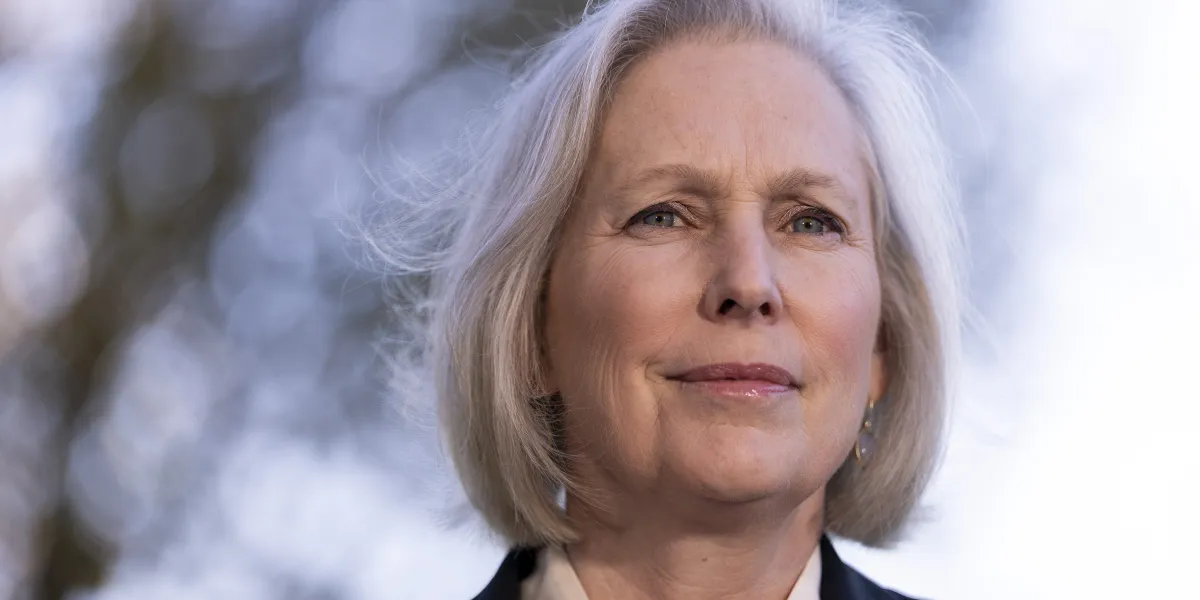
Senator Kirsten Gillibrand of New York, a close ally of Schumer and a supporter of the party’s pro-business agenda, is advocating for another term as DSCC chair. She boasts a commendable record, including nine seat flips during the 2026 midterms, contributing to a Democratic majority likely to persist until 2030.
Despite these achievements, Gillibrand’s political judgment has occasionally undermined electoral success. Her tenure has been characterized by a focus on ideological priorities, leading to a mixed record in candidate endorsements.
While the DSCC can highlight successful candidates like James Talarico in Texas and Mary Peltola in Alaska, it also backed Haley Stevens in Michigan, whose lack of charisma and opposition to the Democratic nominee, Abdul El-Sayed, created challenges in the closing days of the race.
Even in cases when her instincts are right, Gillibrand struggled to exercise her influence for material effect.
In Maine, the DSCC and establishment Democrats recruited Governor Janet Mills, who showed little interest in campaigning, ultimately losing against progressive candidate Graham Platner. This miscalculation reflected poorly on the party’s established strategies.
Gillibrand’s track record in Florida also raises concerns. Despite significant fundraising efforts for left-wing candidate Angie Nixon, the party failed to provide adequate financial support when it was most needed, resulting in a narrow defeat.
The Democratic Party is not a single entity but a coalition of moderates and progressives, necessitating compromises among its members. Following a successful election, it is crucial for party leaders to balance the interests of both factions.
Recent polling indicates that voters prioritize action on critical issues such as the economy, healthcare, and international conflicts. Many voters expressed their concerns about corruption, particularly in light of recent administration actions.
Given these public sentiments, Gillibrand’s leadership raises questions. Her close ties with the cryptocurrency industry have drawn scrutiny, particularly as she received significant campaign contributions in 2026.
Furthermore, her son’s recent ventures in the financial sector have raised ethical concerns regarding potential conflicts of interest, as she has consistently defended crypto legislation that aligns with industry interests.
With Gillibrand potentially leading the DSCC, voters may perceive a continuation of corruption, contradicting the party’s need to convey a message of accountability and reform.
Potential alternatives for the DSCC leadership include vice chairs Adam Schiff, Lisa Blunt Rochester, and Mark Kelly, each bringing their own set of challenges but also a potential shift away from Gillibrand’s current approach.
Newly elected Democrats are increasingly aware of the need for transformative change and have rejected calls to maintain the status quo. It is essential that Senate leaders heed their voices to demonstrate responsiveness to the electorate’s desire for change.
Maintaining Gillibrand in a leadership position may not effectively communicate this message to the voters.





Discussion about this post