









Barriers to Leadership for Women and Youth in Ghana Highlighted in New Documentary
Despite increasing calls for inclusive governance, financial demands and entrenched political structures continue to hinder women and young individuals from attaining leadership roles in Ghana. These challenges are explored in the documentary We Shall Lead: Voices Shaping the Future of Africa, which features the personal narratives of two young Ghanaian leaders confronting issues of representation and participation.
Women in Leadership: A Struggle for Equality
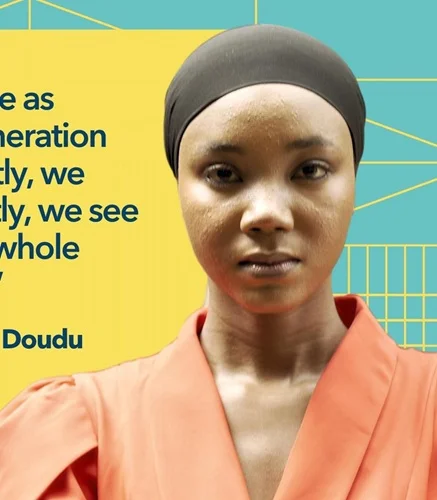
Ms. Hariratah Ibrahim Duodu, who serves as the Vice-President of the Student Representative Council (SRC) at the Ghana School of Law, emphasized that women face significant obstacles in leadership positions, even in environments where they are the majority. She noted that the presence of more women in an institution does not guarantee equal opportunities for leadership roles.
“The political system is not inherently designed to accommodate women, although it is gradually evolving to include them,” Ms. Duodu remarked, reflecting on the systemic barriers that persist.
Her own journey into leadership began with her decision to run for the SRC vice-presidency, motivated by a desire to challenge the status quo and demonstrate that women are capable of leading despite existing obstacles. Surprisingly, she observed that no woman had contested the vice-presidential position for over five years, despite women comprising the majority of students at her institution.
Ms. Duodu’s determination is rooted in her personal history; growing up in a family of 24 children and losing her father after high school fueled her resolve to overcome challenges and inspire other women to pursue leadership opportunities. She called for ongoing support to eliminate barriers preventing women from competing for leadership roles.
Financial Challenges in Political Participation
The documentary also sheds light on the financial hurdles faced by aspiring politicians, who often require substantial funding to engage in party activities, mobilize support, and conduct election campaigns. These financial demands can deter individuals without financial backing from seeking political office, regardless of their experience or dedication to public service.
Underrepresentation of Women and Youth in Governance
Women remain significantly underrepresented in Ghana’s Parliament, holding only 40 out of 276 seats—approximately 14.5%—in the 2024 elections. Similarly, young people struggle to translate their demographic presence into meaningful representation within national governance frameworks.
Mr. Rashid Ibrahim, President of the National Union of Ghana Students (NUGS), expressed that his passion for leadership stems from a desire to create platforms for young people to voice their concerns and contribute solutions to the issues they face. He highlighted the potential of young leaders to impact national development positively and advocated for greater opportunities for youth to assume leadership roles.
“The youthful leaders are performing well. Why not provide them with the opportunity to lead?” he questioned.
Documentary Supported by European Union Initiatives
We Shall Lead: Voices Shaping the Future of Africa is part of the European Union’s Women and Youth Democratic Engagement (WYDE) Political Parties Project, spearheaded by the European Network of Political Foundations (ENoP) and executed in Ghana by the Konrad-Adenauer-Stiftung (KAS). Funded by the European Union, this documentary aims to document and disseminate the experiences of emerging leaders in the region.







Discussion about this post