









Exploring the Evolution of Human Anatomy Knowledge
Human curiosity regarding our existence and the workings of our bodies has spanned centuries. In the age of advanced science and medicine, it’s challenging to fathom a time when medical practitioners lacked comprehensive knowledge of human anatomy, including the skeletal structure, fetal development, and the intricacies of the cardiovascular system. The modern-day concept of a doctor has only solidified over the past few centuries. Historically, during the medieval era, barber-surgeons were the predominant medical practitioners, performing surgeries alongside haircuts.
The Rise of Medical Education
As the field of medicine transitioned into a more scientific and intellectual domain, institutions began to emerge in the late 1700s. Notable examples include the College of Philadelphia, recognized as the first medical school in the United States, and the Edinburgh School of Surgery in Scotland. The ethical landscape of medical education, however, was often questionable. In Edinburgh during the early 1800s, a lack of legally available cadavers led to a clandestine trade in bodies, with many being exhumed from graves under the cover of darkness. Notably, the infamous serial killers William Burke and William Hare capitalized on this demand by selling the remains of numerous victims to anatomist Robert Knox for educational purposes. This dark chapter highlights the lengths to which some individuals went to satiate the scholarly thirst for anatomical knowledge.
A Comprehensive New Resource: The Book of the Human Body
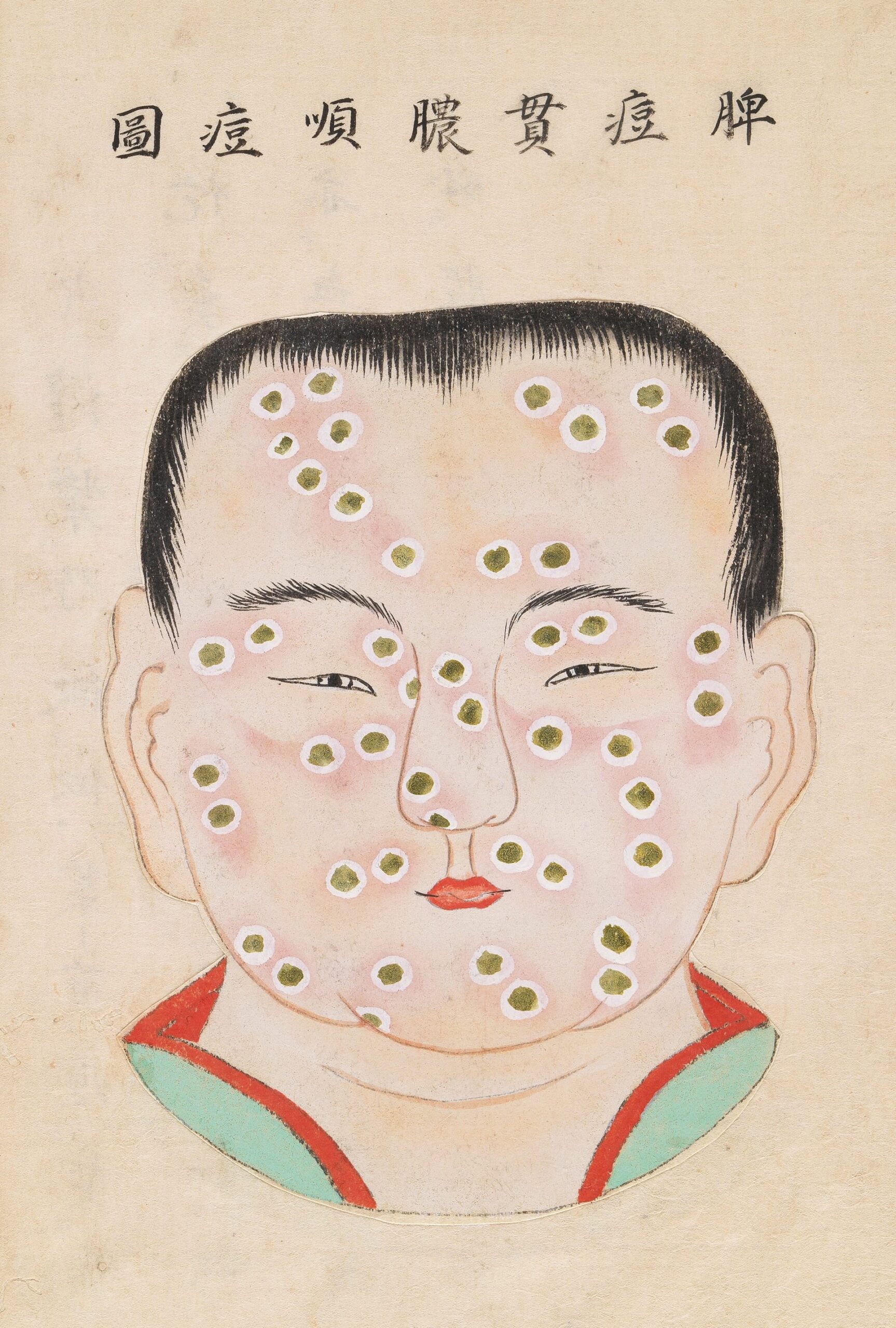
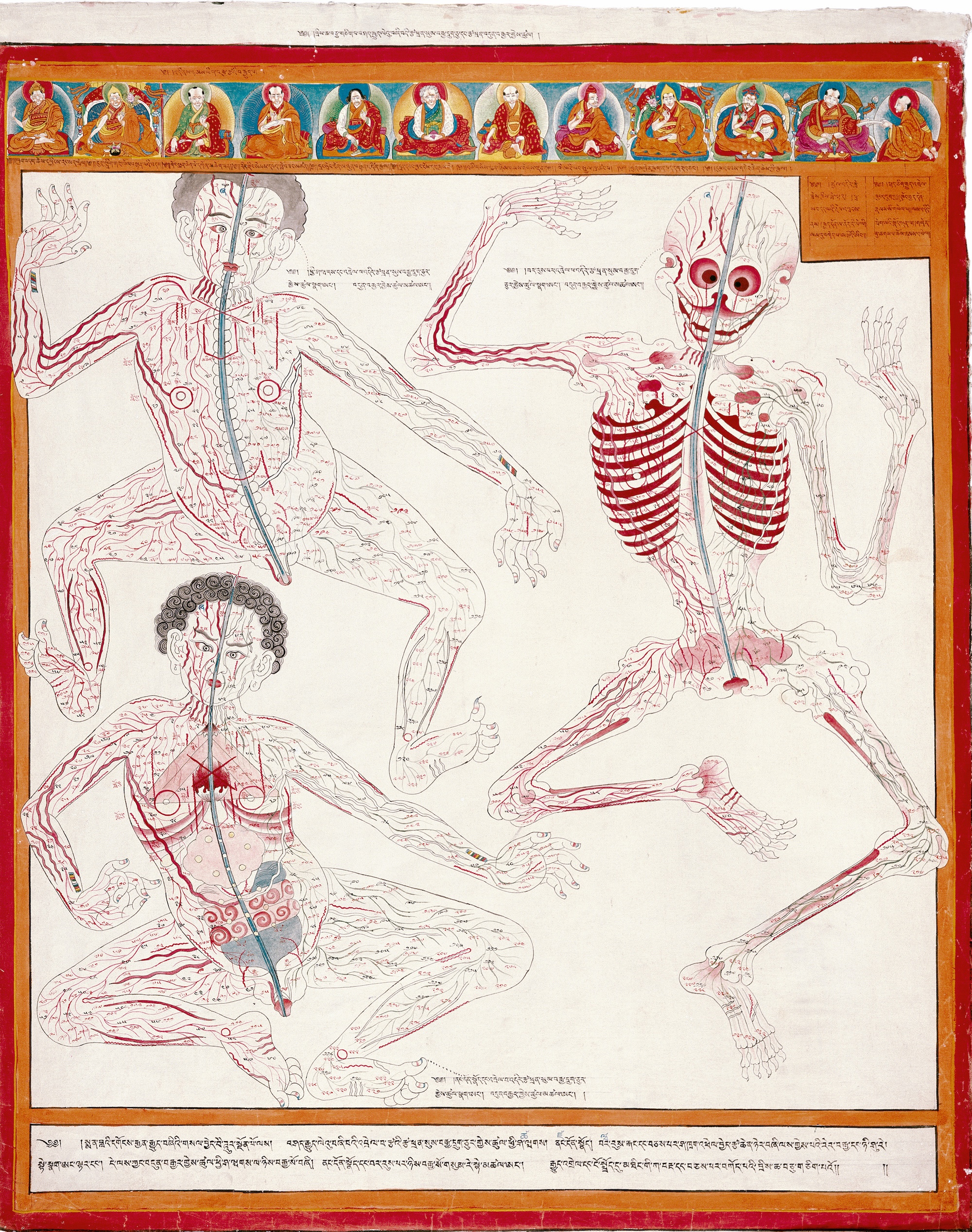
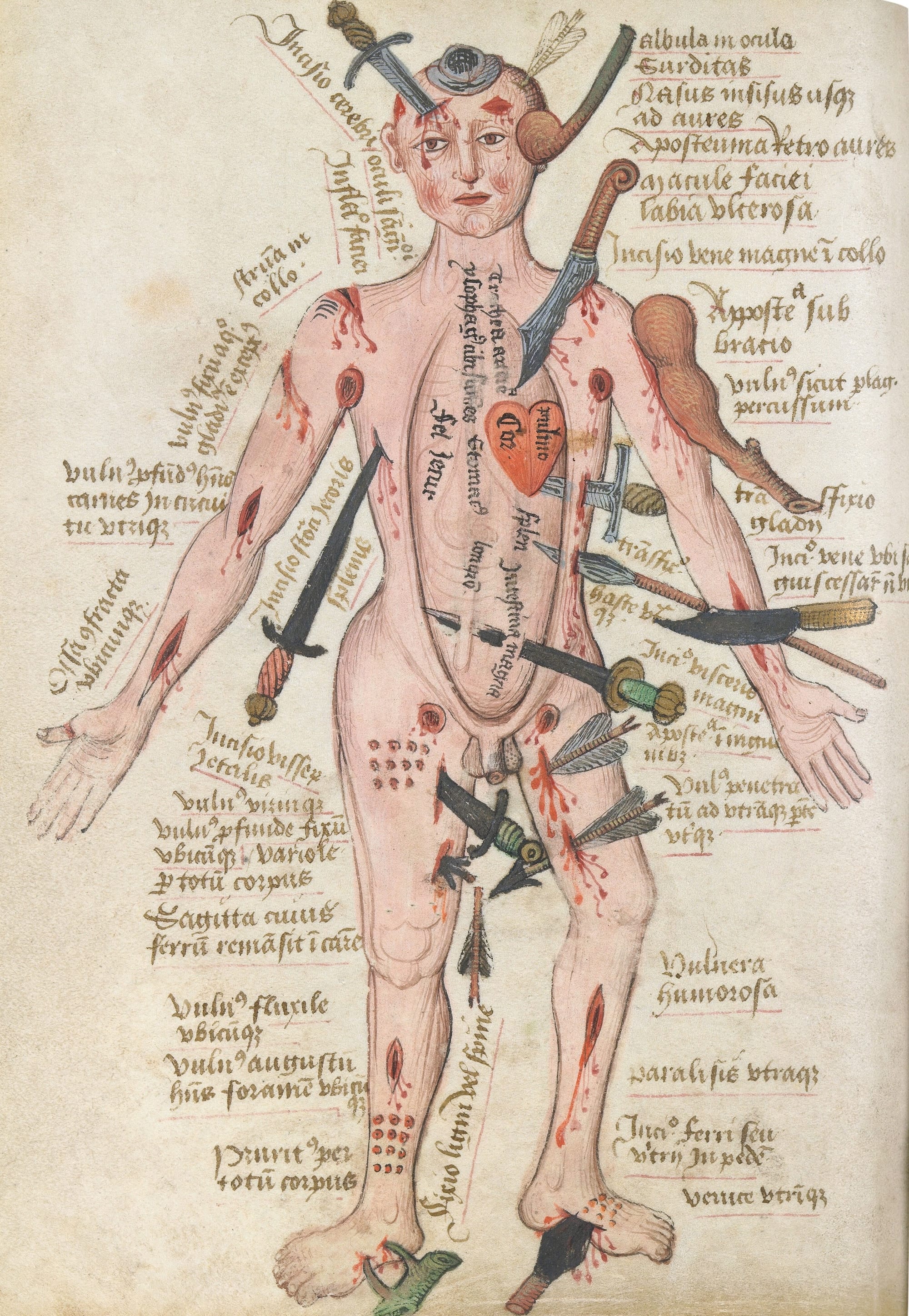
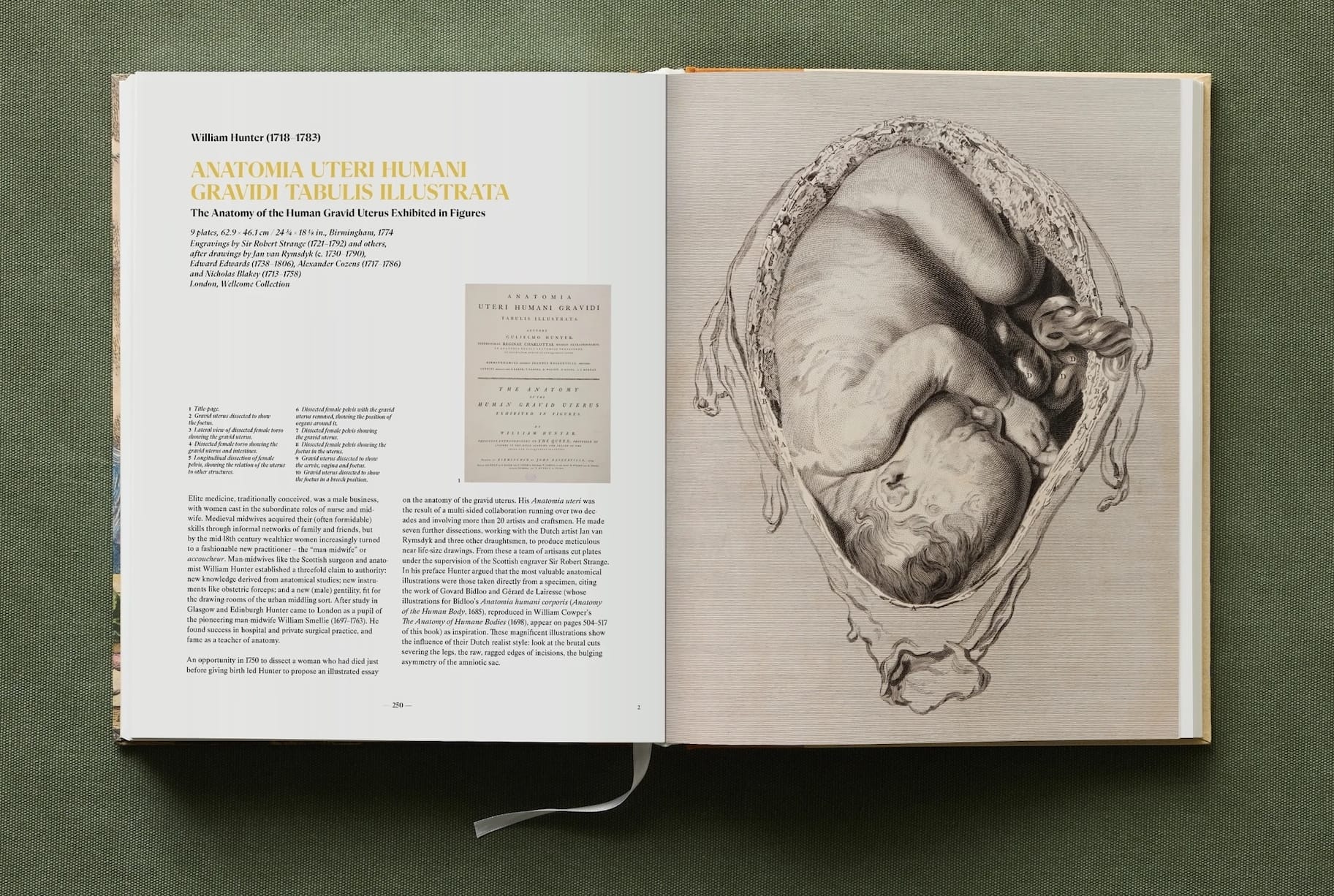
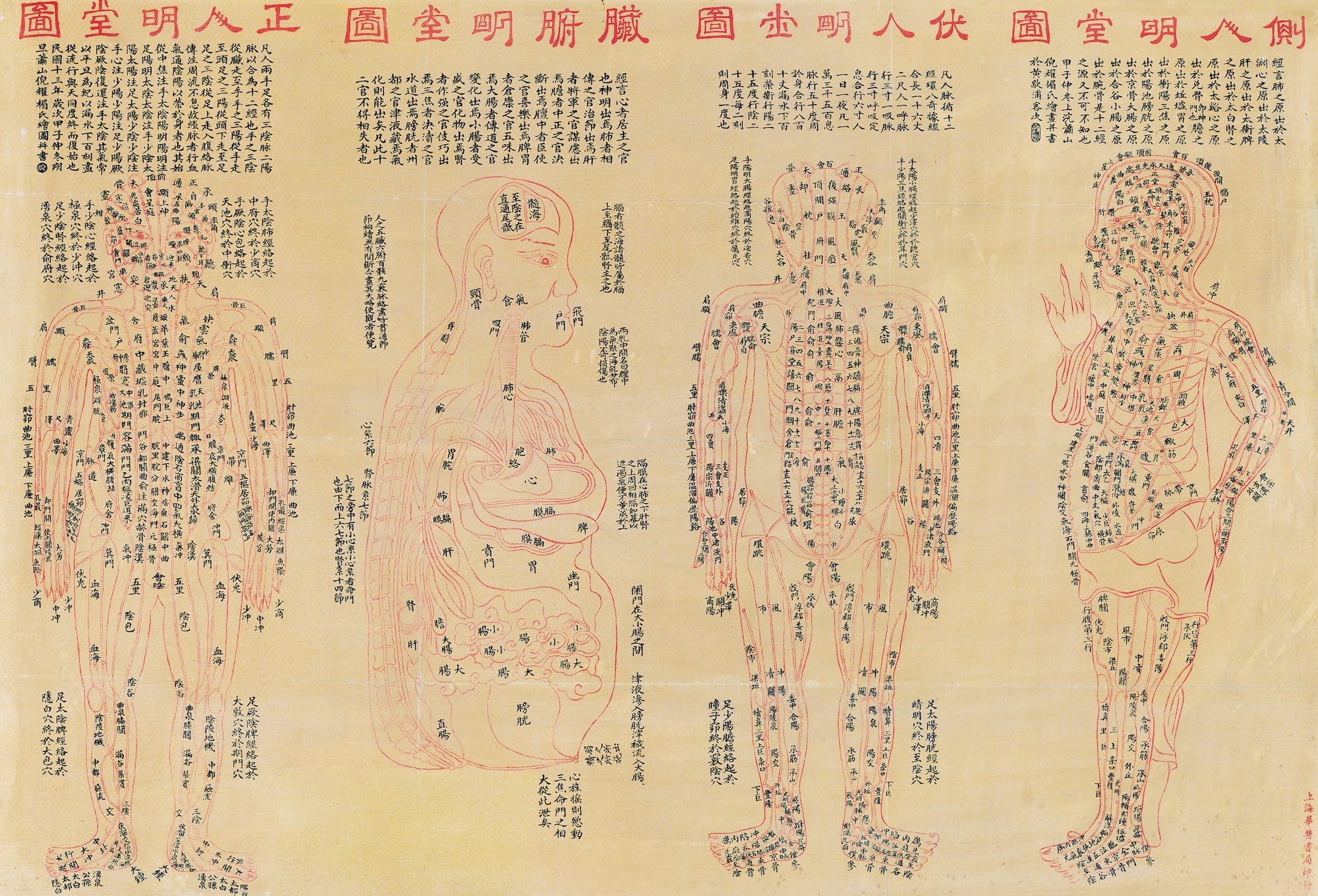
Set to be released in January, The Book of the Human Body offers an in-depth exploration of anatomy, disease, reproduction, and more. This two-volume collection published by TASCHEN brings together over 950 images sourced from more than 75 rare books and manuscripts worldwide. It spans various historical periods, from ancient texts to modern illustrations, reflecting the diverse cultural influences that have contributed to our understanding of human physiology.
Authored by Richard Barnett
The book is authored by medical historian Richard Barnett, who emphasizes the universal and enduring curiosity surrounding human anatomy. Despite our daily interactions with our own bodies, many aspects remain enigmatic. Barnett reflects on this enduring sense of wonder, stating, “Whatever they might represent, whatever they might express, these extraordinary images have lost none of their power to shock or captivate, to teach or inspire.”
Notable Illustrations
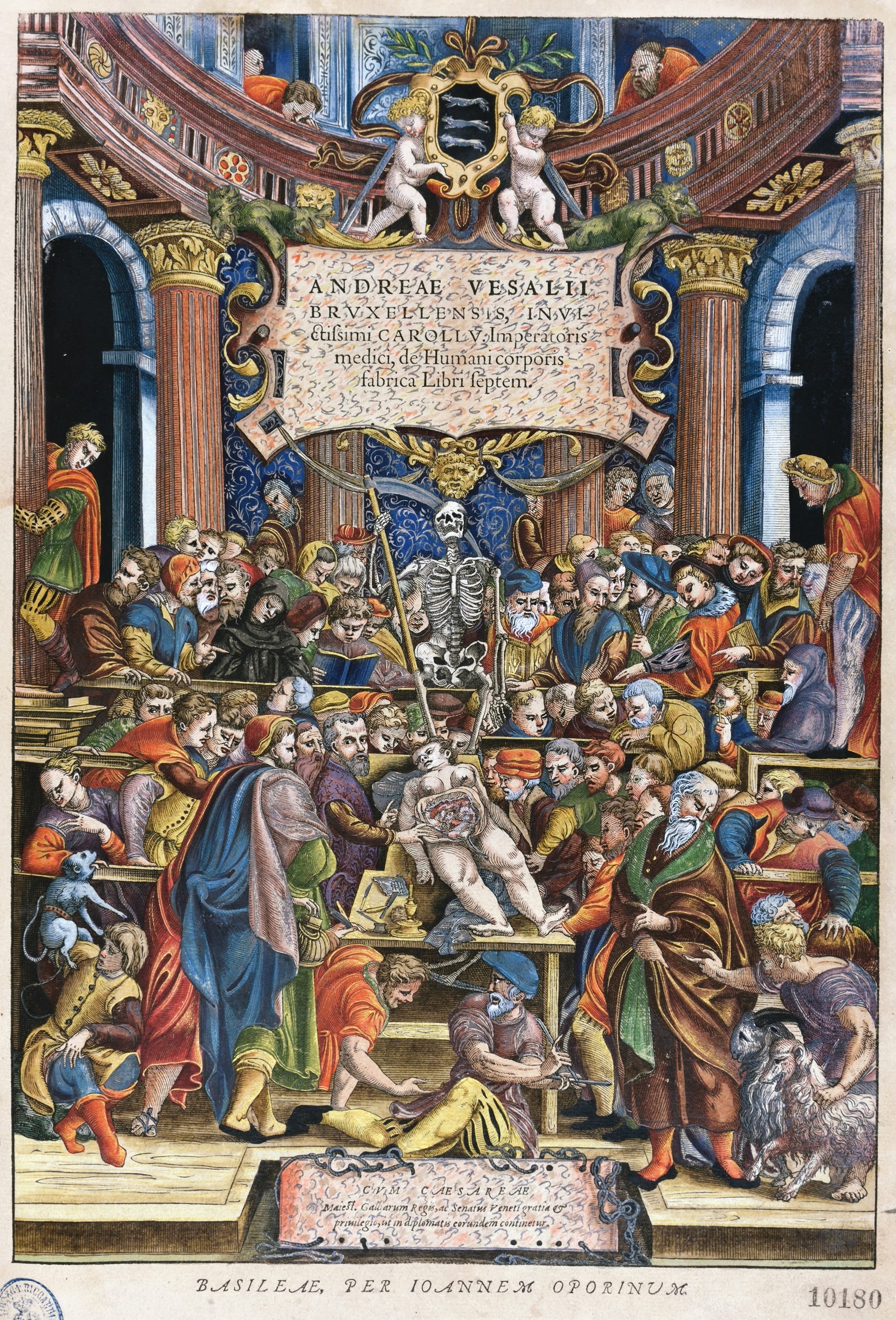
The anthology features remarkable illustrations, including a silk manuscript dating back to 168 B.C.E., unearthed from a tomb in southern China, depicting 44 figures engaged in self-cultivation exercises, alongside excerpts from Andreas Vesalius’s iconic anatomical atlas, Fabrica, published in 1543. The publisher notes, “In all of these examples, the illustrations stand out not only as objects of medical understanding but also as significant works of art in their own right.”
Pre-orders for The Book of the Human Body can be made through Bookshop.








Discussion about this post