









Echinacea: A Herbal Approach to Cold Prevention
As winter approaches, many individuals turn to echinacea, an herbal remedy believed to help prevent seasonal colds. However, questions arise regarding its effectiveness, particularly in relation to both prevention and treatment once cold symptoms manifest.
Understanding Echinacea
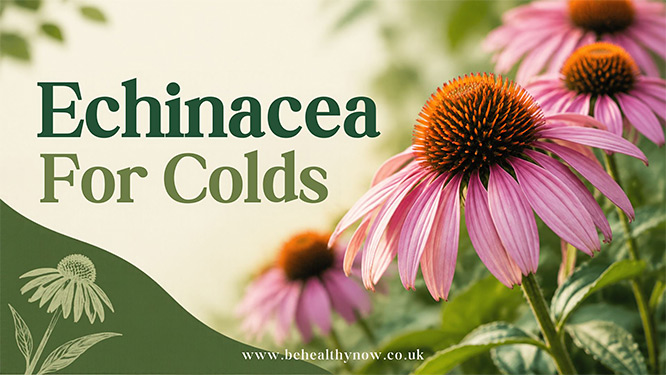
Echinacea, commonly referred to as coneflower, is a flowering plant indigenous to North America. It is characterized by its vibrant pink or purple petals and prominent cone-shaped center. Historically, Indigenous tribes utilized echinacea for various ailments, including respiratory issues such as colds and sore throats.
Research by ethnobotanist Kelly Kindscher notes that tribes such as the Kiowa and Cheyenne employed echinacea root for medicinal purposes, often chewing it to alleviate symptoms. Today, three primary species of echinacea are utilized in herbal remedies:
- Echinacea purpurea (purple coneflower)
- Echinacea angustifolia (narrow-leaved coneflower)
- Echinacea pallida (pale purple coneflower)
Echinacea’s Historical Context
Alfred Vogel, a Swiss herbalist, played a pivotal role in popularizing echinacea in Europe after learning about its uses from Ben Black Elk, a member of the Oglala Lakota community. Vogel’s experiences and subsequent cultivation of Echinacea purpurea led to the development of the well-known herbal preparation, Echinaforce.
Vogel’s personal regimen included daily echinacea intake, which he claimed kept him free from colds well into his nineties, suggesting that regular consumption might contribute to fewer illnesses.
Scientific Insights on Echinacea
Effectiveness in Cold Prevention
Evidence indicates that regular echinacea consumption may reduce the likelihood of catching a cold, although the benefits are modest. A 2014 Cochrane review analyzed multiple trials and found that certain echinacea preparations could lower the risk of colds by approximately 10-20%.
Clinical Trials and Findings
Further studies have corroborated these findings:
- A 2019 review indicated a 22% reduction in upper respiratory infections among echinacea users.
- A 2024 review reported a 25% decrease in respiratory infections across a broader participant base.
Despite these promising results, it is important to note that not all studies have shown significant benefits, and the potential for modest effectiveness should be acknowledged.
Use During Active Cold Symptoms
When considering echinacea for active colds, research yields mixed results. Some studies suggest that ongoing echinacea use prior to contracting a cold may result in milder symptoms. However, evidence supporting accelerated recovery from colds after symptom onset remains inconclusive.
Studies on Echinacea and Cold Symptoms
Research has demonstrated varying results regarding symptom relief:
| Study | Findings |
|---|---|
| A 1999 study | Echinaforce alleviated cold symptoms more effectively than a root-only preparation. |
| A 2004 study | A specific echinacea extract reduced cold severity. |
| A 2010 study | Colds lasted about half a day less with echinacea, though results may be coincidental. |
In summary, echinacea may help manage symptoms but should not be relied upon for expedited recovery.
Mechanisms of Action
Echinacea is often branded as an immune booster, although its function may be more about regulating immune responses rather than amplifying them. Active compounds in echinacea, such as alkamides and polysaccharides, may influence immune cell activity and help mitigate inflammation.
Potential for Broader Applications
Emerging research also indicates that echinacea might aid in reducing complications from respiratory infections, such as sinus or ear infections, though further investigation is necessary to confirm these findings.
Considerations for Use in Children
Parents often seek echinacea products for their children to prevent colds. A 2021 study suggested that echinacea could be effective in reducing respiratory infections and their duration in children aged 4-12. However, precautions are advised, and consultation with a healthcare professional is recommended before administration.
Choosing the Right Echinacea Product
When selecting an echinacea product, consider the species, preparation type, and manufacturer transparency regarding clinical research. Popular forms include:
- Drops and tinctures: Often used in studies; check concentration.
- Tablets and capsules: Convenient but may vary in efficacy.
- Chewable tablets: Useful for children.
- Echinacea tea: Limited evidence of effectiveness compared to extracts.
Dosage and Duration
Dosage varies based on preparation. For instance, a study indicated that adults took 2,400 mg of liquid extract daily for prevention. It’s essential to follow product instructions for optimal results.
Safety and Side Effects
Generally well tolerated, echinacea may cause mild side effects, such as digestive issues. Individuals with allergies to plants in the daisy family or those with certain health conditions should avoid echinacea. Consult a healthcare professional if unsure.
Conclusion: Is Echinacea Worth It?
In light of the available research, echinacea may offer modest benefits for cold prevention. Those prone to frequent colds during winter might find it a worthwhile addition to their health regimen. However, reliance on echinacea for rapid recovery from colds is not supported by compelling evidence.
FAQs
Can echinacea cause diarrhea?
Yes, diarrhea is a possible side effect. Discontinue use if severe symptoms arise.
Does echinacea interact with medications?
Echinacea may affect liver metabolism of certain drugs; consult a pharmacist if on medication.
Can echinacea help with a sore throat?
Evidence is limited regarding echinacea’s effectiveness for sore throat relief.
Can you take echinacea and vitamin C together?
Yes, they can be combined, but the benefits of doing so remain unclear.
How quickly does echinacea start working?
There is no defined time frame for echinacea’s effects; individual experiences may vary.









Discussion about this post