








Severe Flooding and Extreme Weather Hit California
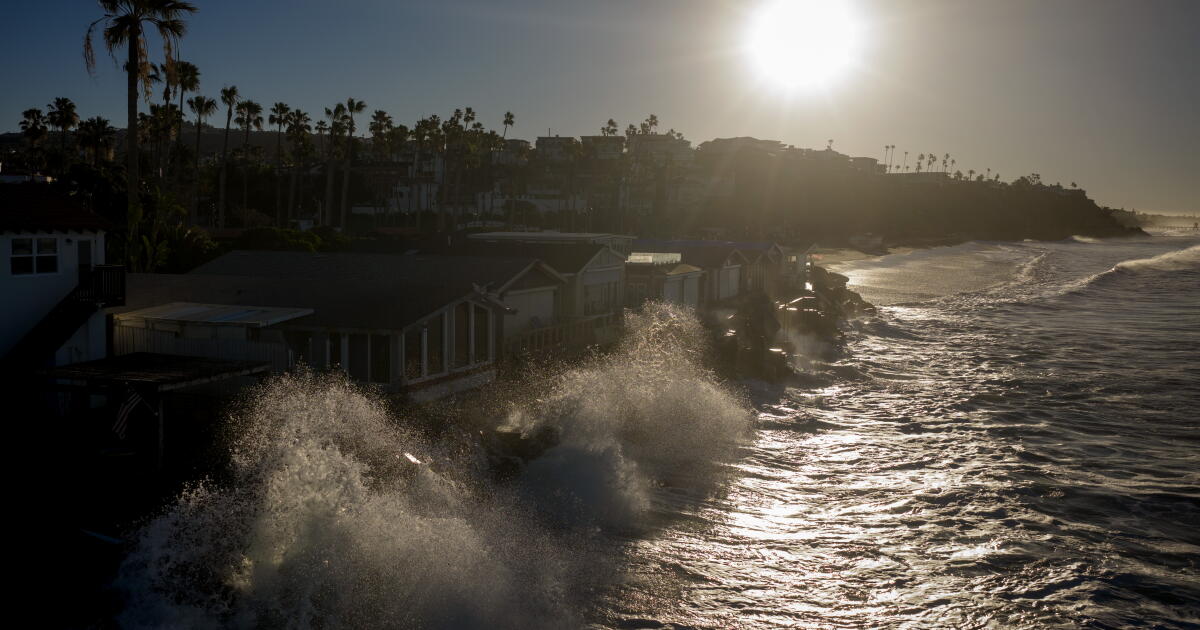
California is reeling from a series of extreme weather events, with San Francisco streets submerged under floodwaters and significant coastal damage reported. A section of a pier in Northern California was swept away by towering waves measuring between 20 and 30 feet.
Impact on Transportation
In Orange County, numerous homes faced inundation, causing distress for local residents. The Amtrak Pacific Surfliner experienced disruptions as service was suspended on Thanksgiving and Black Friday between Orange and San Diego counties due to track washouts caused by the stormy conditions.
Root Causes of the Crisis
This chaos has been attributed to multiple factors, including unusually high king tides and storms intensified by the El Niño phenomenon. However, experts also point to record-high ocean temperatures as a significant contributor to the extreme weather conditions.
Record Ocean Temperatures
Seawater temperatures have been consistently breaking records this summer and into the winter months, leaving scientists astonished. Reports indicate that surfers have been able to ride the waves without wetsuits in November due to the unusually warm waters.
Surprising Temperature Increases
Daniel Swain, a climate scientist at UC Agriculture and Natural Resources, confirmed that the ocean remains “ridiculously warm,” with temperatures at various monitoring stations along the California coast reaching unprecedented highs. For instance, La Jolla recorded a sea surface temperature of 73.2 degrees Fahrenheit, 12 degrees above the seasonal average.
Concerns Over Ecosystem Impact
The ongoing marine heatwave poses a threat to kelp forests, which are vital for marine biodiversity. Marine ecologist Jennifer Smith noted that the warming waters have led to a dramatic decline in bull kelp habitats, with losses of up to 90% since 2014. This decline has cascading effects on other marine species, including endangered ones like the white abalone.
Future Weather Forecasts
As high king tides are expected to return around Christmas and Martin Luther King Jr. Day, the risk of additional flooding and storm surges remains. Swain emphasized that the combination of high tides and strong storms could lead to severe coastal flooding, especially under low-pressure conditions that can exacerbate wave impacts.
Historical Context of El Niño
Historically, California has faced severe weather consequences during El Niño events when high tides coincide with strong storms. The disastrous winter of 1982-83 serves as a cautionary tale, where intense storms and high tides resulted in extensive flooding and damage across Southern California.
The Path Forward
As scientists continue to monitor these conditions, there is an urgent need for strategies to mitigate the impact of extreme weather. Understanding the interplay of climate change, ocean temperatures, and storm patterns will be crucial for safeguarding California’s coastal communities and ecosystems in the future.





Discussion about this post