









INEC Assures Readiness for 2027 General Elections Amid Security Concerns
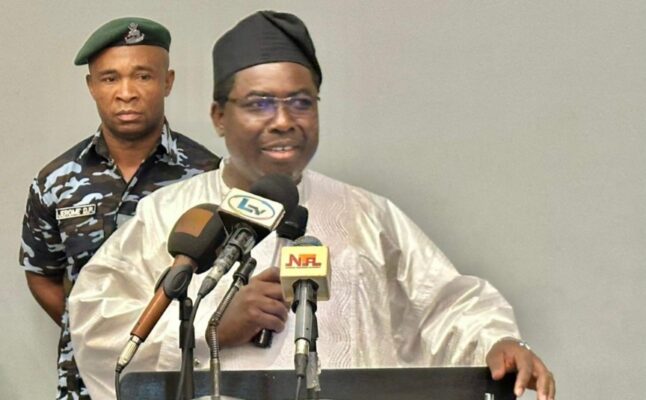
The Chairman of the Independent National Electoral Commission (INEC), Prof. Joash Amupitan (SAN), expressed optimism regarding the commission’s preparedness for the upcoming 2027 general elections. This statement followed his observation of a nationwide mock election in Jos, Plateau State, which unfortunately saw a low voter turnout.
Addressing Security Issues
Amupitan highlighted that INEC, in collaboration with security agencies, is proactively addressing security concerns to ensure a smooth electoral process in 2027. The mock election involved 17,676 polling units, representing approximately 10% of Nigeria’s total polling units, allowing the commission to evaluate its operational readiness.
Mock Election Findings
The exercise aimed to test the performance of the upgraded Bimodal Voter Accreditation System (BVAS) and the enhanced INEC Result Viewing Portal (IReV). Despite facing logistical challenges and low participation in several areas, the mock election provided critical insights into the electoral technology’s functionality.
While some polling units experienced issues with the BVAS devices, others reported successful operations. Amupitan monitored the exercise in Jos, where he expressed satisfaction with the overall conduct, despite the challenges encountered.
Yiaga Africa’s Observations
In a report from Yiaga Africa, significant operational and technological issues were identified that necessitate further attention. Amupitan emphasized the importance of these findings, assuring that the commission is committed to resolving any challenges to uphold the integrity of the forthcoming elections.
Improvements in Voter Accreditation
Amupitan noted a marked improvement in the BVAS performance during the mock exercise, particularly in fingerprint verification, which had previously posed challenges in past exercises. He stated, “I have seen a great improvement because a lot of people were able to be verified and accredited using the fingerprint.”
The process allowed for swift voter accreditation, with many voters successfully processed within seconds, contributing to a well-organized exercise.
Commitment to Credibility
Reassuring the public, Amupitan asserted that the implementation of BVAS would enhance the credibility of the elections, stating, “You can be assured that the elections will be free, fair and credible.” He reiterated INEC’s dedication to addressing historical challenges associated with the electoral process.
Assessment of Voter Turnout
Despite the logistical advancements, the mock exercise faced criticism due to low voter turnout across various states, attributed to insufficient public awareness. In Lagos, polling locations experienced minimal participation, with only a fraction of registered voters showing up. However, some electoral officials expressed satisfaction with the efficiency of the accreditation process.
Challenges in Other States
Similar trends were observed in states like Katsina, Abia, and Ondo, where low turnout was prevalent. Some residents cited inadequate publicity for the lack of participation, while others mentioned technical difficulties with the BVAS, particularly in capturing images of elderly voters.
In Enugu State, the coinciding APC presidential campaign rally further diminished voter turnout, as many potential participants opted for the political event over the mock election.
Conclusion
As preparations continue for the 2027 general elections, the INEC remains focused on refining its processes and addressing identified issues to foster a more credible electoral environment. The commission’s commitment to engaging stakeholders and enhancing voter education will be crucial in overcoming the challenges observed during this mock election.







Discussion about this post