









Revolutionary Discovery of Tunneling Nanotubes Gains Traction in Biomedical Research
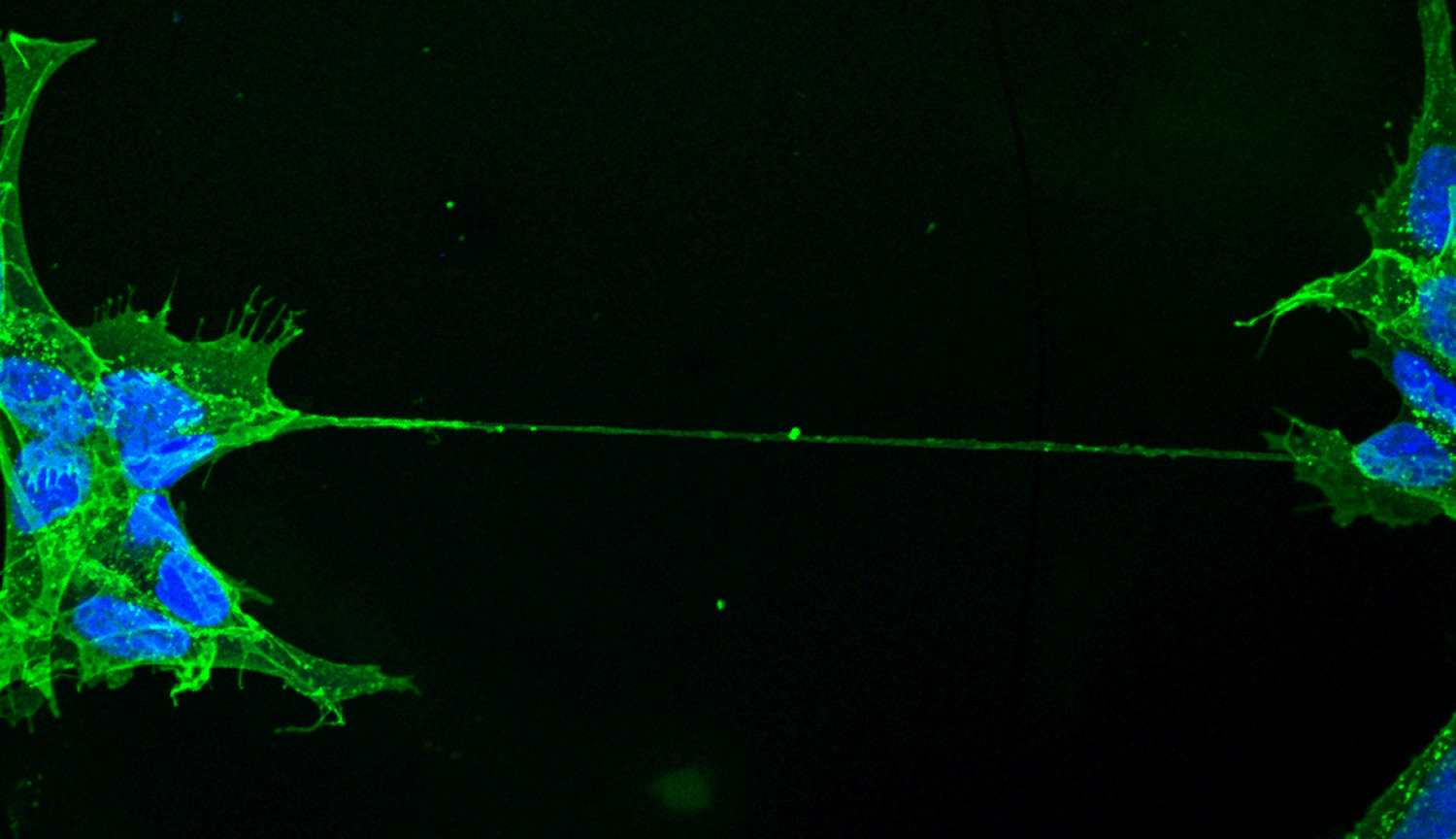
In a groundbreaking shift within cellular biology, a young scientist’s hypothesis that cells communicate and exchange resources via microscopic structures known as tunneling nanotubes initially faced skepticism from many in the scientific community. However, after two decades of research, these intricate cellular connections are now garnering significant attention for their potential implications in cancer and various other diseases.
Tunneling nanotubes, which are slender, tube-like extensions formed between adjacent cells, facilitate the transfer of molecules, ions, and even organelles. This discovery has opened new avenues for understanding intercellular communication and the mechanisms behind disease progression. Researchers are now investigating how these structures can influence tumor growth and metastasis, offering a potential new target for therapeutic interventions.
The ongoing studies into tunneling nanotubes promise to enhance our comprehension of cellular interactions and could lead to innovative strategies for treating complex diseases. As research continues, the initial doubts surrounding this phenomenon are being replaced by growing enthusiasm and a commitment to exploring its vast potential.








Discussion about this post