








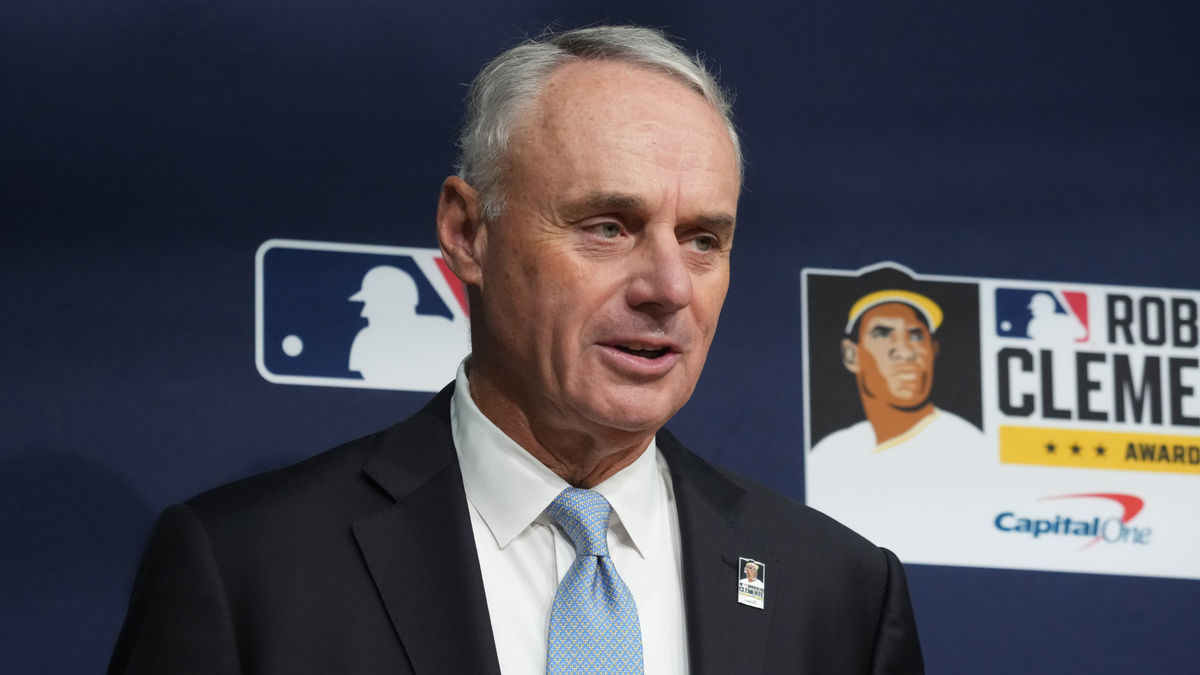
With just under three days remaining until the expiration of the collective bargaining agreement (CBA) between Major League Baseball (MLB) owners and players on Tuesday at 11:59 PM EST, the potential for a work stoppage looms large. Commissioner Rob Manfred faces the critical decision of whether to lock out the players, which could lead to one of the longest and most disruptive pauses in the sport since the infamous strike of 1994.
Despite the optimism that might arise from a holiday film scenario, the reality of the situation is stark. Manfred, who is known for his distaste for Thanksgiving, would likely dismiss any notions of reconciliation brought forth by the ghosts of baseball work stoppages past.
The impending lockout appears inevitable, and the ramifications could be extensive. The following sections delve into the reasons behind the lockout, the potential for conflict, and the possible duration of this disruption.
1.) Reasons Behind the Lockout
According to team owners, the primary justification for pursuing a lockout stems from a perceived competitive imbalance within the league, which they believe could only be rectified with the introduction of a salary cap. However, it is notable that owners seldom consult fans regarding the rising costs of attending games, which have a significant impact on family participation.
MLB remains the only major professional sports league in North America without a salary cap, yet it has seen a diverse array of champions this century, with 17 different teams securing titles—more than the NHL (14), NFL (13), and NBA (13).
Furthermore, in the past decade, 28 out of 30 MLB teams have qualified for the playoffs, excluding only the consistently struggling Los Angeles Angels and Pittsburgh Pirates. This aligns closely with playoff participation rates in the NFL, NBA, and NHL.
At the core of the issue lies the valuation of franchises. Without a salary cap, MLB owners grapple with the slower appreciation of their teams compared to those in other leagues. For instance, the New York Yankees, valued at $9.4 billion, have seen their worth rise from just over $7 billion in 2022. In contrast, franchises in the NFL, NBA, and NHL have experienced a doubling in value in the same timeframe.
2.) Anticipated Messiness of the Situation
The situation is already fraught with tension, as demonstrated by Manfred’s recent actions, including a lawsuit against the MLB Players Association (MLBPA) to prevent the union from decertifying during a potential lockout. This escalation is indicative of the entrenched positions both sides have adopted.
Instances like the reported confrontation between Bryce Harper and Manfred regarding salary cap discussions illustrate the players’ pride in maintaining their status as the only sports union to withstand the pressure for a salary cap since the 1994-1995 strike, which lasted 232 days and led to the cancellation of the World Series.
Current dynamics suggest that both sides harbor deep contempt for one another, making it likely that negotiations will be fraught with hostility and legal skirmishes in the coming months.
3.) Potential Duration of the Lockout
The duration of any work stoppage remains uncertain, but a 99-day lockout, reminiscent of the aftermath of the 2021 season, would represent the most optimistic scenario. Once a lockout begins, little progress is expected for several months.
Both sides appear more willing than ever to forgo games, but substantial pressure to negotiate may only arise as spring training approaches and the threat of canceled games becomes imminent.
If negotiations do not yield a new CBA by early March, the possibility of a full 162-game season will be jeopardized, with late April emerging as a critical deadline for an agreement to allow for a truncated season of at least 102 games.
The stakes are high; should the season face extensive cancellations, it could jeopardize current television contracts, which require each team to play a minimum number of games. Manfred’s management of this situation will be crucial, particularly given the financial resilience of ownership groups.
In a worst-case scenario, if the owners remain adamant about imposing a salary cap, the lockout could extend well into 2028, ushering in a period marked by unprecedented disruption and a haunting legacy reminiscent of previous labor disputes.








Discussion about this post