









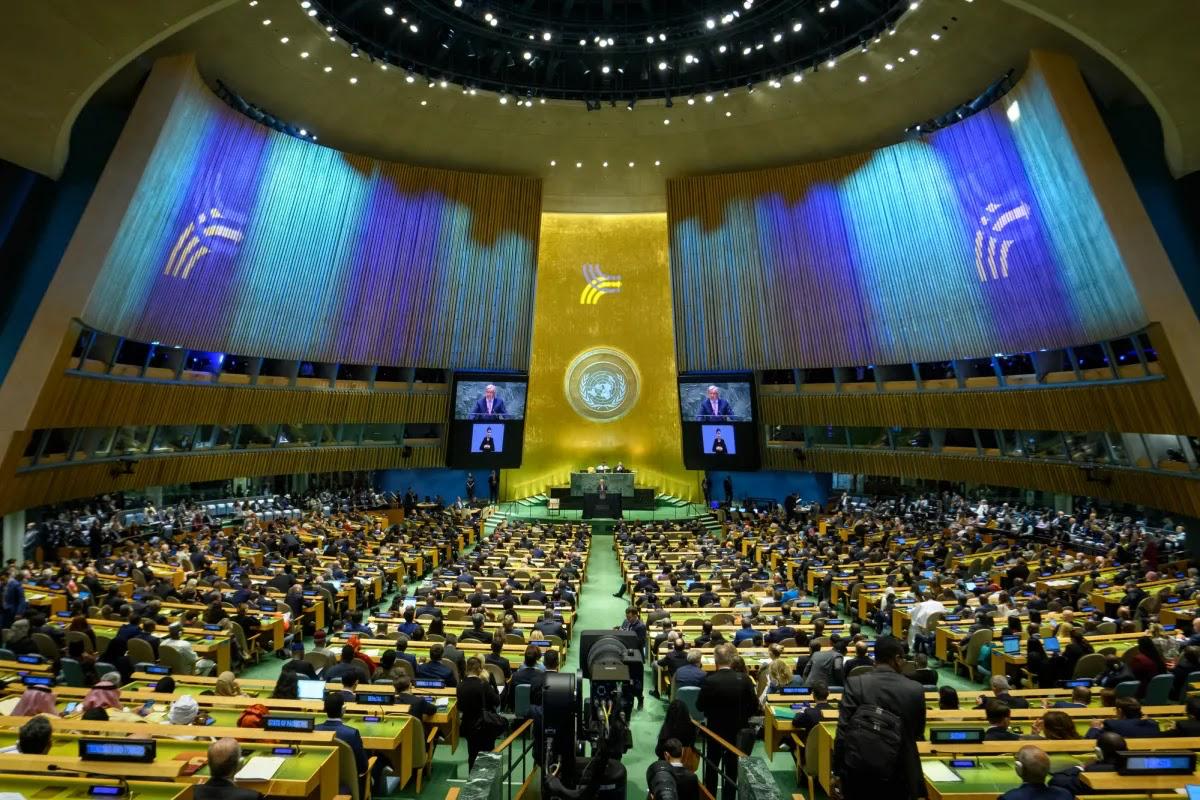
Global Military Escalation: A Return to Normalized Warfare
By R Anil Kumar
Bengaluru, Nov 27, 2026. Over the past decade, the global landscape has shifted towards a troubling acceptance of warfare as an inevitable aspect of international relations. Conflicts in regions such as Ukraine, Lebanon, and Iran are escalating, precipitating widespread devastation and raising fears of broader international confrontations. As military budgets swell and nations rush to bolster their arsenals, the prospect of nuclear deterrence is increasingly becoming a consideration for many states aiming to secure their future.
The Perils of Normalized Warfare
The normalization of war poses a significant risk, signaling a regression to historical norms where armed conflict was the primary means for nations to resolve disputes or expand territories. The devastation wrought by the World Wars in the 20th century galvanized an international consensus against the legitimacy of war, leading to a collective effort to outlaw such conflicts. Despite this, the commitment to peace has waned in recent decades, with governments increasingly disregarding the principles established post-1945.
Public outcry against wars, such as the widespread protests against the U.S.-led invasion of Iraq in 2003, has failed to halt military actions. The invasion, justified on false premises, not only devastated Iraq but also destabilized the region and incited global resentment toward Western nations. This event marked a pivotal moment, after which the pursuit of peace has increasingly faded from international discourse, overshadowed by escalating geopolitical rivalry.
The Threat of Global Conflict
The trajectory we are on could lead to another global conflict, a scenario that the international framework established in the 20th century aimed to prevent. It is imperative for governments to actively oppose war, taking decisive steps to limit the capacity of nations to engage in armed conflict and to fortify the international institutions that uphold peace.
Achieving this requires robust multilateral cooperation that encompasses as many nations as possible, aiming to render war not merely undesirable but unthinkable.
Escalating Military Conflict
The historical efforts to eliminate war as an instrument of policy date back to the 1928 Kellogg–Briand Pact, which, despite its shortcomings, laid the groundwork for future treaties. The establishment of the United Nations in 1945 revitalized these principles, embedding them in a framework designed to enforce peace. However, current data reveals a disturbing trend: the number of active conflicts has doubled since 2010, with armed confrontations claiming the highest number of lives in three decades.
Recent conflicts, characterized as wars of aggression—such as Russia’s invasion of Ukraine and military operations by the U.S. and Israel against Iran—illustrate a growing acceptance of armed conflict as a viable solution to political disputes, threatening to destabilize global peace.
Rising Military Budgets and Nuclear Threats
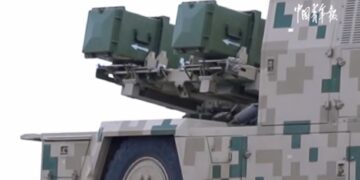
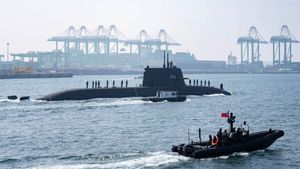
Military expenditures have reached unprecedented levels, with global defense spending soaring over 40% in the past decade alone. Countries traditionally known for military restraint are now rapidly rearming, and the threat of nuclear conflict looms larger, with all nine nuclear-armed nations modernizing their arsenals.
The integration of artificial intelligence in warfare adds another layer of complexity, automating cyberattacks and reducing human oversight in critical military decisions. This technological evolution raises the stakes, increasing the potential for catastrophic miscalculations and unintended escalations.
The Global Call to Action
Political shifts worldwide are steering nations toward confrontation rather than cooperation. While the emergence of a multipolar world does not inherently signify danger, the degradation of diplomatic norms has made the current geopolitical climate more volatile than ever. Nationalistic rhetoric and aggressive foreign policies are on the rise, threatening the fragile peace that has been established.
To counteract this trend, it is essential for nations to actively reject the normalization of war. Silence in the face of aggression equates to complicity, and it is critical to transform the condemnation of war into tangible actions that deter its initiation and sustainment.
Reinforcing Multilateralism
A collective international effort is necessary to effectively combat the normalization of warfare. The post-World War II multilateral system has been instrumental in maintaining peace among great powers, and its reinforcement is vital. However, geopolitical tensions have undermined the effectiveness of institutions like the United Nations, necessitating reforms to enhance their legitimacy and operational capacity.
Key reforms should include expanding representation within the UN Security Council, limiting the veto power of permanent members, and ensuring that emerging economies have a voice in international financial institutions. Such changes are crucial for fostering a sense of ownership among nations over international norms and rules.
Conclusion: A Vision for Peace
To make war an unimaginable prospect, countries must commit to upholding international norms and reforming the institutions that govern global relations. A proactive peace agenda addressing the root causes of insecurity—such as poverty, inequality, and lack of education—will contribute significantly to reducing violence.
It is imperative that the international community unites in this endeavor, fostering cooperation and mutual understanding to ensure that the horrors of war remain a relic of the past.
(With Inputs from UN REPORT)





Discussion about this post