









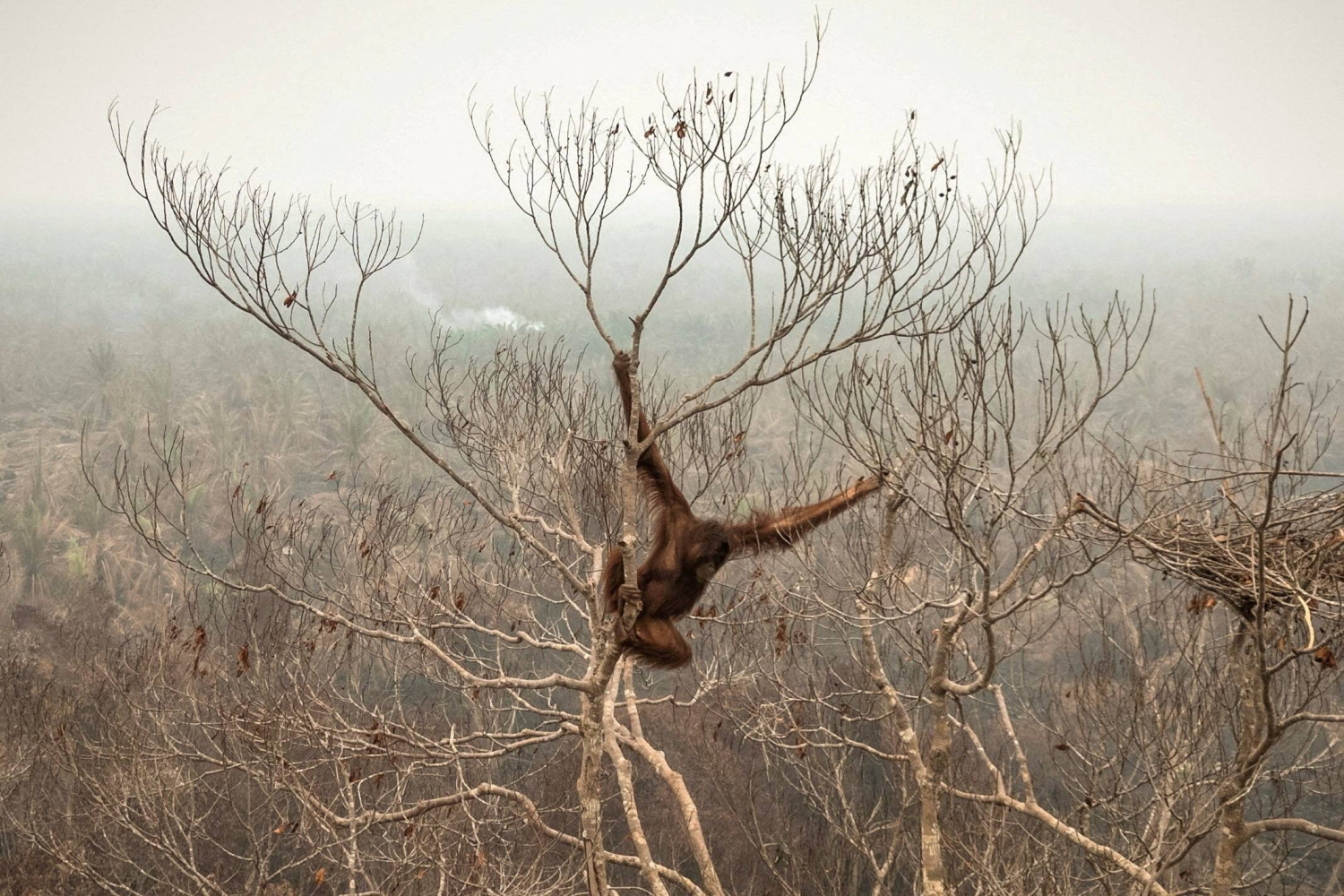
Indonesia Faces Severe Wildfire Season Spurred by El Niño and Climate Change
Recent research indicates that a powerful El Niño, compounded by anthropogenic climate change, has resulted in the most severe wildfire season in Indonesia in a decade. The study highlights the critical role these factors played in generating extreme hot and dry conditions across the region.
According to a report released by World Weather Attribution, El Niño has considerably reduced rainfall, while climate change has driven up temperatures significantly. Researchers concluded that human-induced climate change has made the occurrence of hot and dry conditions approximately three times more likely and more severe.
This unprecedented wildfire season has resulted in widespread toxic smog not only in Indonesia but also affecting neighboring countries such as Singapore and Malaysia. The smog has led to school closures, strained diplomatic relations, and a decrease in palm oil production. A severe drop in rainfall from June to the end of October has left the environment extremely dry, complicating efforts to control fires often linked to slash-and-burn agricultural practices.
“El Niño has cut off the rain, while emissions from fossil fuels have increased the heat,” stated Friederike Otto, a climate science professor at Imperial College London and co-author of the study, published on Friday. “Without an urgent shift away from fossil fuels and enhanced land-management strategies, we can expect even more severe fire seasons in the future.”
The findings reveal that climate change intensified the seasonal heat from August to October, making it approximately 1.6 degrees Celsius hotter than in previous years. The report also notes that decades of deforestation and peatland drainage in parts of Indonesia have significantly heightened the risk of wildfires.
This ongoing El Niño phenomenon is estimated to have diminished Indonesia’s seasonal rainfall by nearly 50% this year. Coupled with elevated temperatures, the report characterizes the situation as “record-breaking fire weather.”
“Our analysis demonstrates that climate change acts as a force multiplier during El Niño years,” remarked Theodore Keeping, an extreme weather and wildfire researcher at Imperial College London and lead author of the study. “When a strong El Niño occurs, global warming exacerbates the resulting fire conditions, making them significantly hotter, drier, and more difficult to manage.”










Discussion about this post