




By Nyan Reynolds
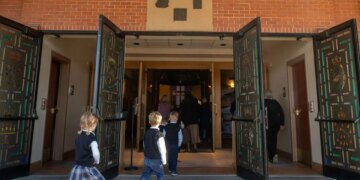
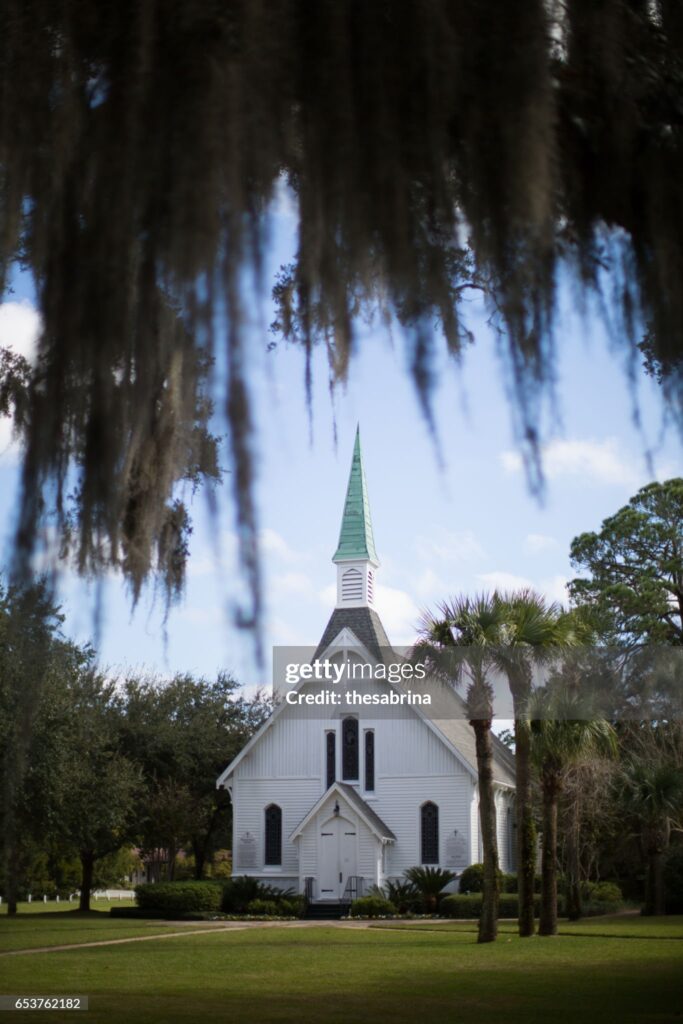
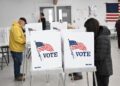
News Americas Now, NY, NY, Thurs. Nov. 5, 2026: On November 3, 2026, millions of Americans participated in the midterm elections. Regardless of political affiliation, voters accessed polling places without monetary barriers. As I entered my local polling venue, a small church in Georgia, the nearby burial ground prompted reflections on the struggles of past generations to exercise their voting rights. I felt the presence of those ancestors and the sacrifices they made.
The Legacy of Voting Rights
Each individual had unique motivations for casting their vote, but our collective presence in line was a testament to our shared purpose. Contemplating the nearby burial site led me to consider how differently this experience would have been for previous voters. What obstacles did they confront before heading to the polls? What financial sacrifices did they endure? The weight of history was palpable.
The Impact of Poll Taxes
In the early 1960s, Mississippi imposed a statewide poll tax of two dollars annually. If one owed taxes from the previous year, the cost could escalate to four dollars. This sum in 1962 equated to approximately twenty-two dollars in 2026. Amidst this financial landscape, about two-thirds of Black Southerners lived in poverty. It challenges us to consider the implications of sourcing that two dollars while managing daily expenses.
The Financial Burden of Voting
The notion of a deadline is critical. Accumulating two dollars over a year is vastly different from having it readily available by the due date. For a household where two individuals sought to vote, the financial burden doubled. While statistics on income and poverty reveal hardship, they fail to capture the nuanced experiences of individuals trying to meet financial demands and seize voting opportunities.
A Complex History of Disenfranchisement
The question of who carried this burden is paramount. Black Americans in the segregated South faced systemic hurdles in exercising a constitutional right that should have been guaranteed regardless of race. The requirement of a poll tax was more than an inconvenience; it posed a profound challenge for those already stretching their limited resources. Each individual’s financial flexibility determined their voting capability.
Barriers Beyond Financial Costs
Even for those who could afford the tax, the act of voting was fraught with further challenges. Voters might encounter literacy tests administered by biased officials, or face intimidation aimed at themselves and their families. These barriers persisted long after the abolition of slavery, limiting political representation for countless Black Americans.
The Ongoing Struggle for Representation
Consider the implications for a parent trying to engage in their community while being barred from influencing educational and policy decisions. When elections exclude citizens, those in power can make choices without accountability. The absence of a ballot strips the community of its voice.
Legislative Milestones
The Twenty-Fourth Amendment prohibited poll taxes in federal elections in 1964, and the Voting Rights Act of 1965 provided federal mechanisms to uphold the Fifteenth Amendment and combat racial discrimination in voting. Subsequently, in 1966, the Supreme Court invalidated Virginia’s poll tax for state elections, reinforcing that payment cannot condition the right to vote.
Reflecting on Our Privileges
This historical context weighed heavily on my mind in Georgia. I cast my vote without facing a choice between my next meal and fulfilling my civic duty. However, envisioning a scenario where a fee of twenty or thirty dollars were imposed on voting raises critical questions about access and equity. How many could bear such costs? How many would be excluded?
Looking Ahead
As we approach future elections, it is vital to honor those who fought valiantly for the right to vote, often at great personal cost. Their legacy motivates us to participate actively in the democratic process. I will remember them each time I step into that little church.
EDITOR’S NOTE: Nyan Reynolds is a Jamaican-born poet, essayist, and memoirist from Kingston, Jamaica. His writing addresses themes of resilience, identity, and social reflection. He regularly shares insights on Substack, connecting with readers interested in the complexities of belonging.
RELATED: Stop Saying A Child Is Having A Baby. Say What Happened To Her. It Is Time To Change The Narrative Of Rape Across The Caribbean






Discussion about this post