









Hannah Cloke, University of Reading
Storms Hit the UK Amid Ongoing Drought
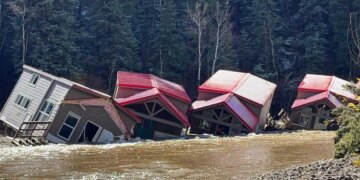
Recent weather events, including Storm Austen and Storm Boelo, have swept across the UK, bringing heavy rain and turbulent conditions. While the downpours have arrived just as autumn begins, a paradox remains: extensive drought conditions persist in many areas of England and Wales.
Severe Drought Conditions Persist
Despite the recent storms, parts of Cornwall, Devon, Dorset, Somerset, and Sussex are experiencing severe droughts, as classified by the Environment Agency. This region has seen its driest period from April to September in over a century, highlighting a significant water supply crisis even as winter arrives.
The Importance of Winter Precipitation
While summer droughts often make headlines due to their immediate visual impact, winter months are critical for replenishing water reserves. The cooler temperatures and shorter days reduce evaporation and plant water consumption, allowing for essential rainfall to recharge reservoirs and groundwater sources.
This water cycle functions like a financial balance sheet. A hot summer depletes reserves quickly, and a dry winter can leave reserves vulnerable, potentially leading to a more severe water scarcity than the summer drought itself.
Current Reservoir Challenges
Southern England is currently facing a significant water deficit, having recorded its driest April to September since the late 19th century, coupled with unprecedented summer heat. The Wimbleball reservoir, which serves around 400,000 residents, was near capacity in March but has plummeted to approximately 13% capacity as dry conditions took hold.
Unusual Winter Drought Patterns
It is uncommon for droughts to extend into the winter months in the UK. Typically, autumn rains restore soil moisture and water reserves by Christmas. However, the current situation raises concerns, as the UK has endured three droughts in five years, leaving little time for recovery between dry spells.
Floods vs. Droughts: A Complex Relationship
Interestingly, England and Wales can experience simultaneous droughts and floods. Heavy rainfall from storms often leads to rapid flooding, while the groundwater and reservoir systems respond much more slowly, necessitating consistent, gentle rainfall for effective replenishment.
Forecasting Future Drought Trends
Climate scientists suggest that although average rainfall in UK winters may increase over time, the likelihood of dry winters remains a concern. Increased soil desiccation during hotter summers exacerbates water shortages in winter. Consequently, occasional dry winters could occur alongside heavier rainfall events, complicating water resource management.
Addressing these water challenges will require systemic changes. Water conservation must become a priority, not merely a response to crises. Infrastructure improvements, such as repairing leaks and utilizing rainwater harvesting systems, are essential for sustainable water management.
Community Involvement and Future Solutions
Efforts to mitigate water scarcity should include both high-tech solutions and community-level initiatives. Implementing regulations for rainwater collection, enhancing sustainable drainage systems, and fulfilling the need for wetland preservation are vital measures.
Individual actions can also contribute to conservation efforts. Simple changes, such as shorter showers and installing water butts for garden use, can collectively make a significant impact.
Looking Ahead
While recent storms have begun to address water reserves, they mark only the beginning of a necessary dialogue regarding future water management in the UK. Proactive measures must be implemented to prepare for potential water shortages in the years to come.
Hannah Cloke, Regius Professor of Meteorology and Climate Science, University of Reading






Discussion about this post