









Mélenchon Advocates for a Revamped Franco-German Relationship
Jean-Luc Mélenchon, the hard-left candidate for the French presidency, has called for a significant transformation in the relationship between France and Germany. During a visit to Berlin, he expressed critical views on Germany’s economic influence within the European Union and its military spending policies.
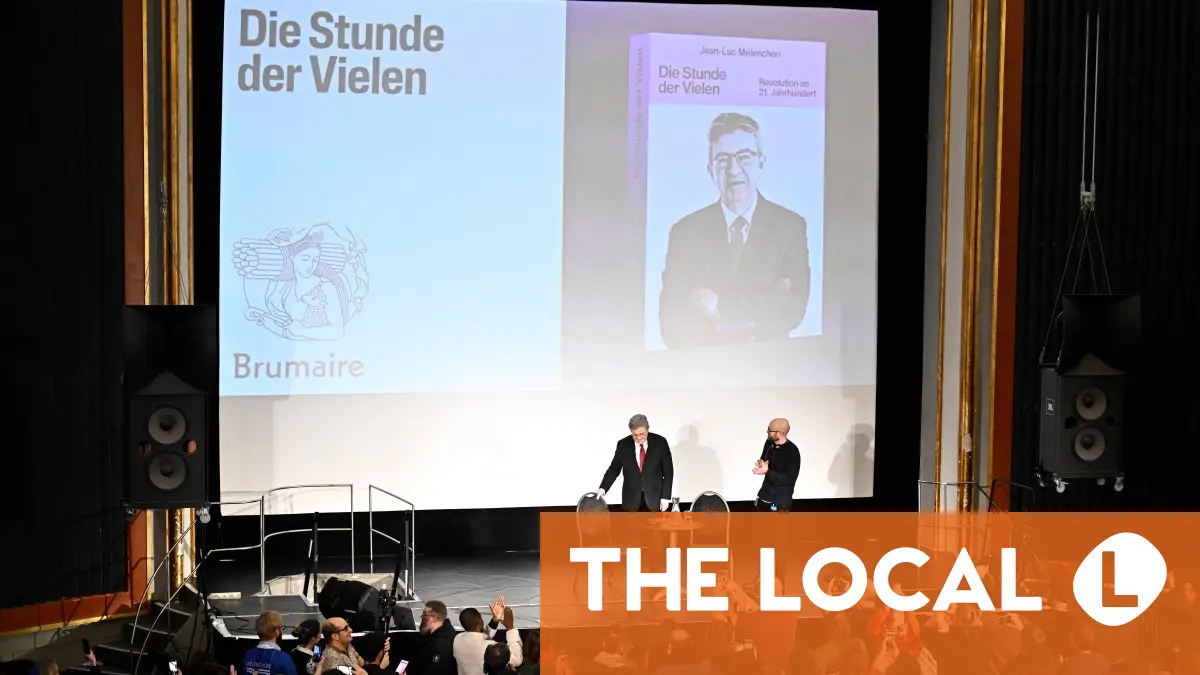
The leader of La France Insoumise (LFI), currently positioned as a frontrunner in the polls ahead of the April elections, articulated his vision for a “thorough overhaul” of Franco-German ties during an interview with French broadcaster LCI. “I am opposed to the liberal economic policies that have dominated the European Union under German leadership,” stated the 75-year-old politician, who was in Berlin to launch the German edition of his latest book.
Mélenchon’s economic stance diverges sharply from traditional German fiscal principles, as he proposes measures such as the cancellation of French debt held by the European Central Bank. This approach stands in stark contrast to Germany’s reputation for maintaining stringent budgets and minimizing borrowing.
Criticism of Military Expansion
The candidate, who is likely to face off against far-right leader Marine Le Pen in a potential run-off, also voiced strong objections to Chancellor Friedrich Merz’s ambition to bolster Germany’s military capabilities, aiming to establish it as the “strongest conventional army in Europe.” Mélenchon questioned, “We have the duty to ask: who are we preparing to go to war against?” He warned that Germany’s increasing military might could make France a target for other nations.
Accusations have surfaced from Mélenchon’s opponents, suggesting that he has been overly sympathetic to Russian President Vladimir Putin, particularly concerning LFI’s proposal to withdraw France from NATO amid the ongoing war in Ukraine. He has criticized Germany’s aggressive stance in the conflict, urging Merz’s government to adopt a more tempered approach. “All this one-upmanship leads nowhere,” he remarked.
Engagement with Global Powers
During the book launch, while the ongoing conflict between Russia and Ukraine was not explicitly addressed, Mélenchon emphasized his intention to engage in dialogue with China immediately following his election victory. “We do not desire a war with China, nor will we assist the Americans in their confrontations with the Chinese,” he affirmed.
Mélenchon rejected claims of “Germanophobia,” describing himself as a “disciple of Karl Marx” and expressing admiration for German culture, especially music, by citing his fondness for Beethoven. He expressed pride in the German translation of his book, originally titled “Now, the People! Revolution in the 21st Century.”
Additionally, he highlighted his collaborative relationship with Germany’s far-left Die Linke party, which recently emerged victorious in Berlin’s state elections. During his visit, Mélenchon met with Die Linke’s national leader, Ines Schwerdtner, stating that they share a common goal of opposing the militarization of the economy and the push for war.








Discussion about this post