






The Legend of Zelda: Ocarina of Time Remake Enshrined on Switch 2
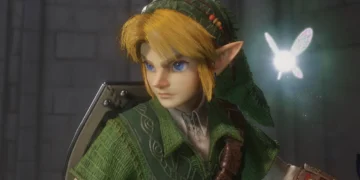
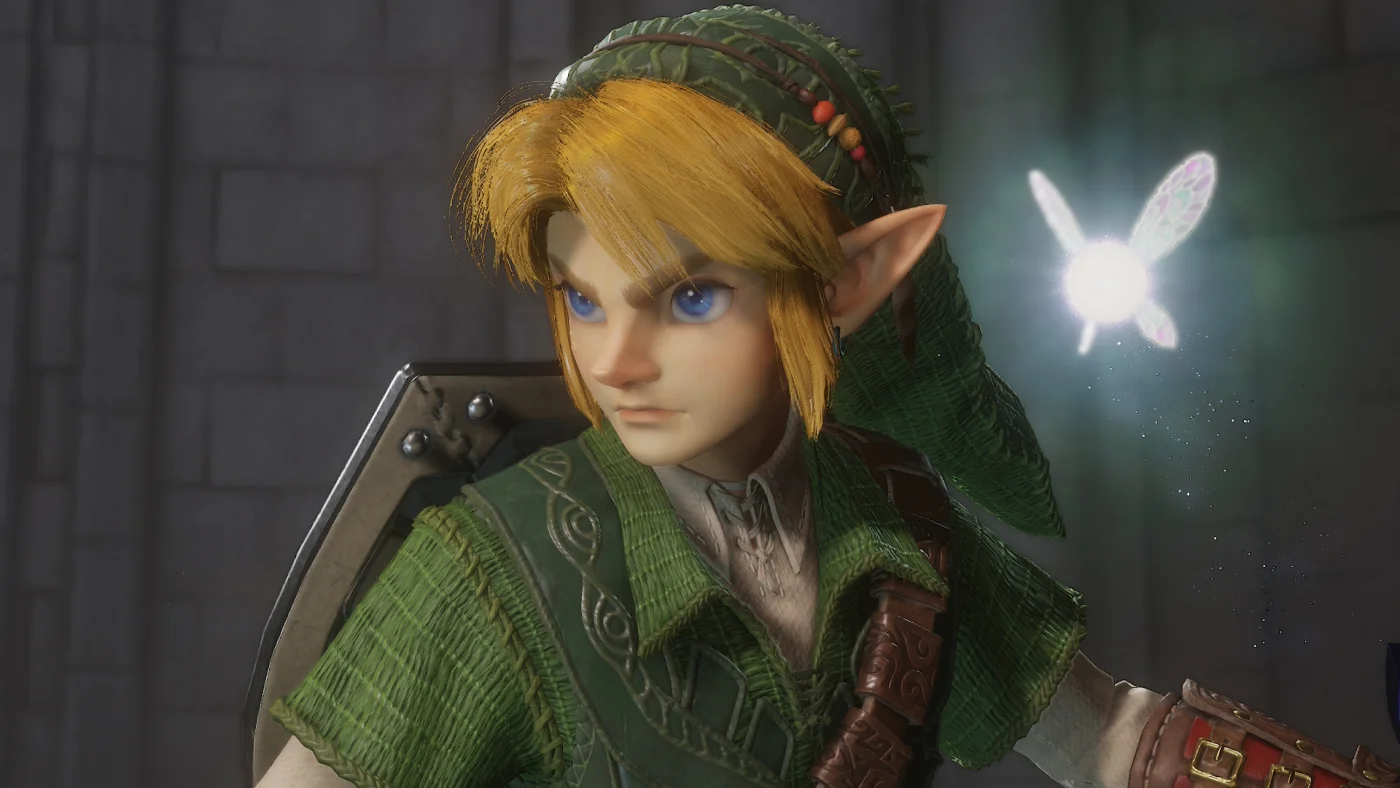
Link, the Hero of Time, grown-up and newly awoken from a magical seven-year slumber. Nintendo
Nintendo’s much-anticipated remake of The Legend of Zelda: Ocarina of Time debuts on the Switch 2, capturing a narrative of a once-idyllic world marred by the thirst for power. The release on Thursday seeks to immortalize this classic for generations, yet the experience prompts mixed feelings, evoking a sense of nostalgia rather than pure joy.
The game’s core revolves around its protagonist, Link, as he journeys to save a dystopian Hyrule, transitioning from a carefree child to a battle-ready adult. Players reconnect with old acquaintances, witnessing their battles against yet another wave of calamity. The overarching theme is a yearning for a bygone era, promising to rejuvenate familiar environments.
Game Mechanics and User Experience
The remake aims to evoke memories of player experiences rather than simply replicate outdated controls or pixelated graphics. Nintendo achieves a contemporary feel while largely maintaining the original’s essence through well-considered updates.
Despite some nostalgia, the evolution may be jarring for long-time fans. While the game introduces a new over-the-shoulder camera perspective, some players may lament the absence of the original’s unique camera angles. However, the upgraded jump and sprint functionalities provide a more intuitive navigation experience, enhancing combat fluidity.
Efforts have also been made to upgrade item selection, allowing for quick access without disrupting game flow. Players can execute strategies involving various tools without the hassle of constant pauses, a commendable addition that streamlines gameplay.
Aesthetic Changes and Narrative Depth
The remake’s visual updates are significant, featuring ornate textures that elevate the game’s graphical quality. However, these changes can sometimes lead to an uncanny effect, as evidenced by certain character designs feeling out of place within the game’s overall aesthetic. For instance, character Nabooru appears excessively stylized compared to her original design.
New animations and cutscenes expand the narrative, but they may hinder pacing in the early hours. The storyline also reinterprets character relationships, providing depth yet risking the removal of original charm by altering established dynamics.
Overall, this faithful adaptation enhances some aspects while introducing elements that redefine others. It stands as a promising indication for the potential future reimagining of other beloved titles within the franchise.

Sheik, Link’s ally in the fight against Ganondorf, demonstrates one of the many songs you’ll play by pressing buttons or humming directly into the Switch 2’s microphone. Nintendo
While this remake improves numerous aspects, it cannot fully replicate the emotional resonance of the original title. That initial Ocarina of Time experience revolutionized 3D gaming and remains etched in the memories of countless players.
Nintendo’s devotion to enhancing this classic ensures its place in gaming history for years to come. As we look forward to sharing these adventures across generations, some nostalgic tales are worth revisiting, even amidst contemporary storytelling.





Discussion about this post