







The Organisation for Economic Co-operation and Development (OECD) has published a report this week recommending South Africa raise VAT, keep the current Covid-19 relief grants, and cut corporate tax.
It also recommended reductions to personal income tax deductions, which it found disproportionately benefited the wealthy.
“In parallel with fostering economic activity, the tax system could be made more progressive and efficient at raising the revenues needed to reduce the budget deficit and finance investments,” the OECD stated.
“For example, the allowances and deductions in personal income tax that tend to benefit high earners could be reduced while wealth transfer taxes and estate duties could be adapted to limit the transmission of wealth inequality.”
According to the OECD, South Africa’s VAT rate is relatively low compared to developed economies.
“Once inflation has abated, there is room to raise the relatively low VAT rate, balancing that with increased transfers to low-income households,” it stated.

These recommendations come in the wake of a plethora of economic challenges — including inflation, which rose to 7.8% in July.
Eskom’s power cuts also pose a significant risk to growth, and the OECD’s report offers solutions to minimise the effects of these and other challenges that the economy faces.
“Without a strong and sustained recovery, South Africa risks losing some of its hard-earned social progress in areas like education, housing, welfare and healthcare,” said OECD acting chief economist Álvaro Pereira.
“Strengthening public finances, creating a more growth-friendly tax system and fostering higher productivity through enhanced infrastructure, education and competition and more reliable power supply will be key to get the recovery back on track and ensure higher living standards.”
At the launch of the report, deputy finance minister David Masondo acknowledged that the country faces significant economic issues, Reuters reports.
“Our progress in tackling unemployment, poverty and inequality remains insufficient,” said Masondo.
“Low levels of productivity and competitiveness are inhibiting growth.”
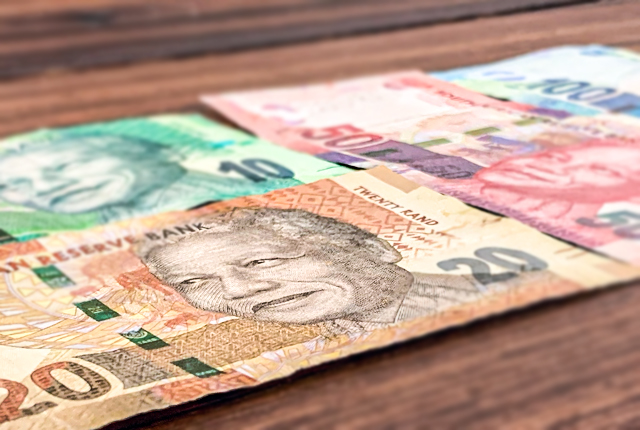
The report claims that South Africa’s R350 social relief grant that the government provided because of the Covid-19 pandemic has been crucial to many South Africans.
OECD acting head of country studies, Isabell Koske, added that although the economy had benefited massively from the government’s R500 billion support during the pandemic, “the recovery [of the economy] has been interrupted by the consequences of Russia’s invasion of Ukraine.”

Making the current relief grants permanent would be at odds with recommendations President Cyril Ramaphosa has received in the past.
According to Bloomberg, the Presidential Economic Advisory Council believes the government should focus on promoting employment rather than “ever-increasing state-funded income support.”
“We face a real danger of policy error at a macroeconomic level where we will limit our economy’s growth and job-creation potential by increasing the system of social grants payments in an unsustainable manner,” the advisory council stated.
Finance Minister Enoch Godongwana has also previously articulated his concerns over the South African grant system.
“How many free things is this government providing to the poor? Shouldn’t the debate be on a restructuring of the grant system?” he said when speaking with the Business Times last year.
“We are giving free basic services, free water, electricity, free housing, free child support grant.”
“So, isn’t it time to look at the entire grant system and say, optimally, what is the best grant system for the country?” he asked.
“If people are saying let’s put a basic income grant, then we can’t have all of the other things.”









Discussion about this post