









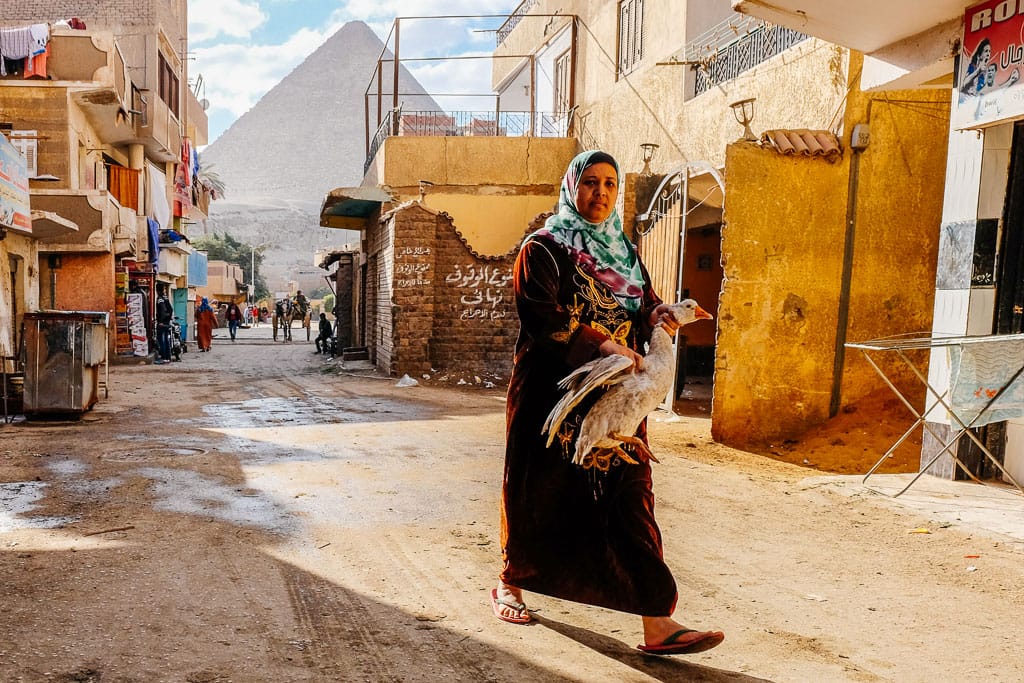
Shifting Perspectives on Ownership in Egypt
Traditionally, ownership has offered individuals and businesses more than mere access to goods and services. For instance, owning a car provides significant mobility and independence, while having a dedicated office space establishes a professional base. Additionally, asset purchase often translates into long-term financial investment.
Nonetheless, escalating costs are making ownership increasingly unattainable for many.
In Egypt, alternatives that facilitate access without necessitating substantial financial commitments are gaining traction. Public transportation systems and ride-hailing services present viable substitutes for private car ownership, while flexible workspaces enable businesses and professionals to utilize office facilities without the burden of long-term leases.
These alternatives have become particularly relevant as households continue to feel the pinch of reduced purchasing power. World Bank statistics indicate that inflation in Egypt fell from a peak of 38 percent in late 2023 to 13.4 percent by February 2026. Despite this decrease, the lingering effects of prior price hikes still burden household finances.
Consumers and businesses alike are increasingly prioritizing affordability when considering major purchases.
Rethinking Car Ownership
The financial implications of car ownership underscore the widening gap between owning and accessing a vehicle.
In Cairo, where traffic congestion and inadequate public transport can complicate daily commutes, private vehicles are often seen as essential. However, the cost of acquiring a car is a significant barrier for many, particularly when incomes are not aligned with such expenditures. As of March 2025, Egypt’s National Council for Wages announced an increase in the private-sector minimum wage to EGP 7,000 (approximately USD 131) per month.
In contrast, listings on the platform Hatla2ee reveal that the locally manufactured Nissan Sunny, one of Egypt’s more affordable new sedan options, starts at EGP 665,000 (around USD 12,449) for its manual variant.
At the current minimum wage, purchasing this vehicle outright would require nearly 95 months of gross earnings, equating to almost eight years if an individual were to save their entire salary. This calculation does not account for living expenses or additional costs such as fuel, maintenance, insurance, and repairs.
In November 2026, the National Council for Wages approved another wage increase, raising the private-sector minimum wage to EGP 8,500 (USD 159), effective January 2027. Although this wage does not reflect the earnings of all workers in Egypt, it highlights the significant financial commitment involved in purchasing a new vehicle.
For those unable to afford a private car, public transportation and ride-hailing services offer alternatives, albeit with varying costs and convenience levels. A 2019 study from the Abdul Latif Jameel Poverty Action Lab (J-PAL) involving 1,373 Uber users in Cairo demonstrated that price significantly influences transportation choices; participants receiving a 25% discount utilized Uber 175% more than those paying standard fares.
Despite this, frequent use of ride-hailing services can become costly, particularly for daily commuters. Public transportation remains a more economical choice, though it may not always provide the same convenience. For many Egyptians, relying on these services is less about preference and more about the financial realities of car ownership.
The Rise of Flexible Workspaces
Shifts in work patterns have spurred demand for flexible office solutions, such as coworking and serviced spaces. A report from the American Chamber of Commerce in Egypt published in December 2025 noted an increasing interest from businesses in workspaces that adapt to fluctuating workforce sizes and offer shorter rental commitments.
For small enterprises establishing an office in Cairo, expenses extend beyond monthly rent to include furniture, internet, utilities, maintenance, and long-term lease commitments. Flexible office solutions provide an alternative, allowing businesses to rent fully-equipped spaces without the associated burdens.
The American Chamber of Commerce in Egypt reported that by November 2024, the International Workplace Group (IWG), which operates brands like Regus and Spaces, had established 17 centers nationwide, reflecting the growing trend of flexible workspaces.
The report also highlighted the June 2025 introduction of a flexible workspace initiative by MQR, previously known as AlMaqarr, in partnership with Nile City Investments at Nile City Towers in Cairo. This facility features 32 private offices, three meeting rooms, and two shared working areas.
For freelancers needing client meeting spaces or startups with small teams, renting office space can deliver essential amenities without the costs of a traditional setup. Conversely, larger companies with stable workforces may find that maintaining their own office is more financially viable over time.
Exploring Alternative Rental Options
The decision between purchasing and renting extends into less apparent areas of daily life. Items such as evening dresses for special occasions, professional cameras for short-term projects, or camping gear for weekend outings often come with price tags that are hard to justify for limited use.
In Egypt, rental platforms like Rento offer dresses for special occasions, while Aggarli provides a range of items from cameras and electronics to camping gear and tools.
For infrequently used items, renting emerges as a more sensible alternative to outright purchasing.
Redefining Ownership in Modern Egypt
For many Egyptians, the dream of owning a car, home, or business space remains strong. The rise of alternative options does not necessarily diminish these aspirations but rather alters the pathways toward achieving them as purchasing certain assets becomes progressively challenging.
As the trend shifts toward renting and shared access, the motivations behind these choices raise important questions about whether they are driven more by convenience or by necessity.







Discussion about this post