







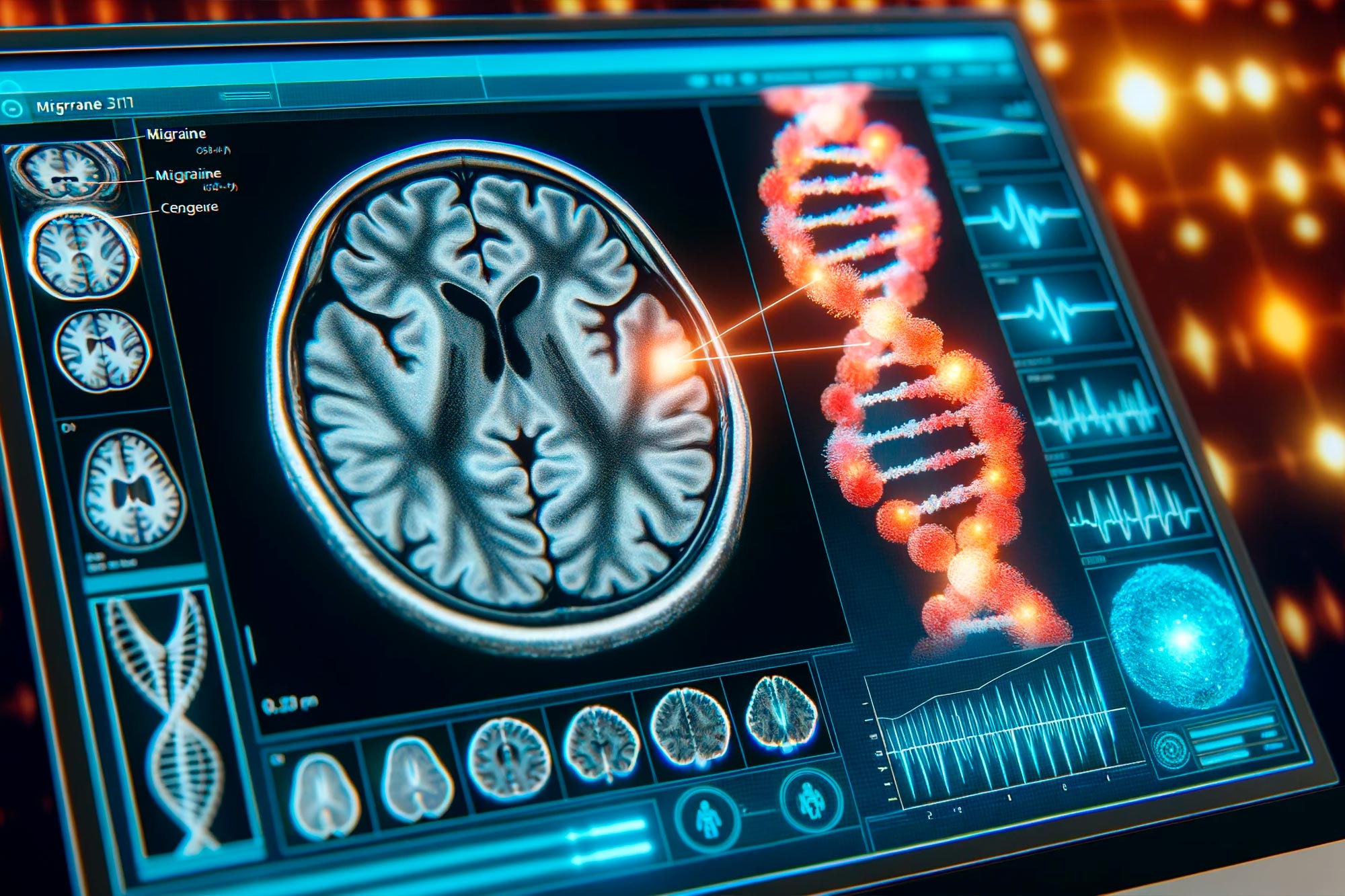
Researchers have created a detailed catalog of gene-isoform variations in the developing human brain, revealing significant implications for understanding and treating neurodevelopmental and psychiatric disorders. Their work has uncovered over 214,000 unique isoforms and highlighted the dynamic changes in isoform expression that occur during brain development. Credit: SciTechDaily.com
New study could improve the ability to make genetic diagnoses and treat neurodevelopmental disorders.
- Regulation of isoforms — varied versions of the dataset with several colleagues at the Children’s Hospital of Philadelphia, which has a large population of children with rare neurodevelopmental disorders or undiagnosed disorders in development. Physicians there are already using this resource to help better interpret neurogenetics diagnostically.
“I’m really excited to leverage this resource to help patients,” said Gandal, who is also a practicing psychiatrist. “Having this knowledge brings us one step closer to being able to develop targeted treatments and understand genetic mechanisms in a much more specific way.”
Reference: “Developmental isoform diversity in the human neocortex informs neuropsychiatric risk mechanisms” by Ashok Patowary, Pan Zhang, Connor Jops, Celine K. Vuong, Xinzhou Ge, Kangcheng Hou, Minsoo Kim, Naihua Gong, Michael Margolis, Daniel Vo, Xusheng Wang, Chunyu Liu, Bogdan Pasaniuc, Jingyi Jessica Li, Michael J. Gandal and Luis de la Torre-Ubieta, 24 May 2024, Science.
DOI: 10.1126/science.adh7688Other UCLA authors include Ashok Patowary, Pan Zhang, Celine K. Vuong, Xinzhou Ge, Kangcheng Hou, Minsoo Kim, Michael Margolis, Bogdan Pasaniuc and Jingyi Jessica Li. Connor Jops, Naihua Gong, Daniel Vo, Xusheng Wang and Chunyu Liu contributed to this study.
The research was supported by the Simons Foundation Autism Research Initiative, the National Institute of Mental Health, the National Science Foundation and the UCLA Medical Scientist Training Program.









Discussion about this post