









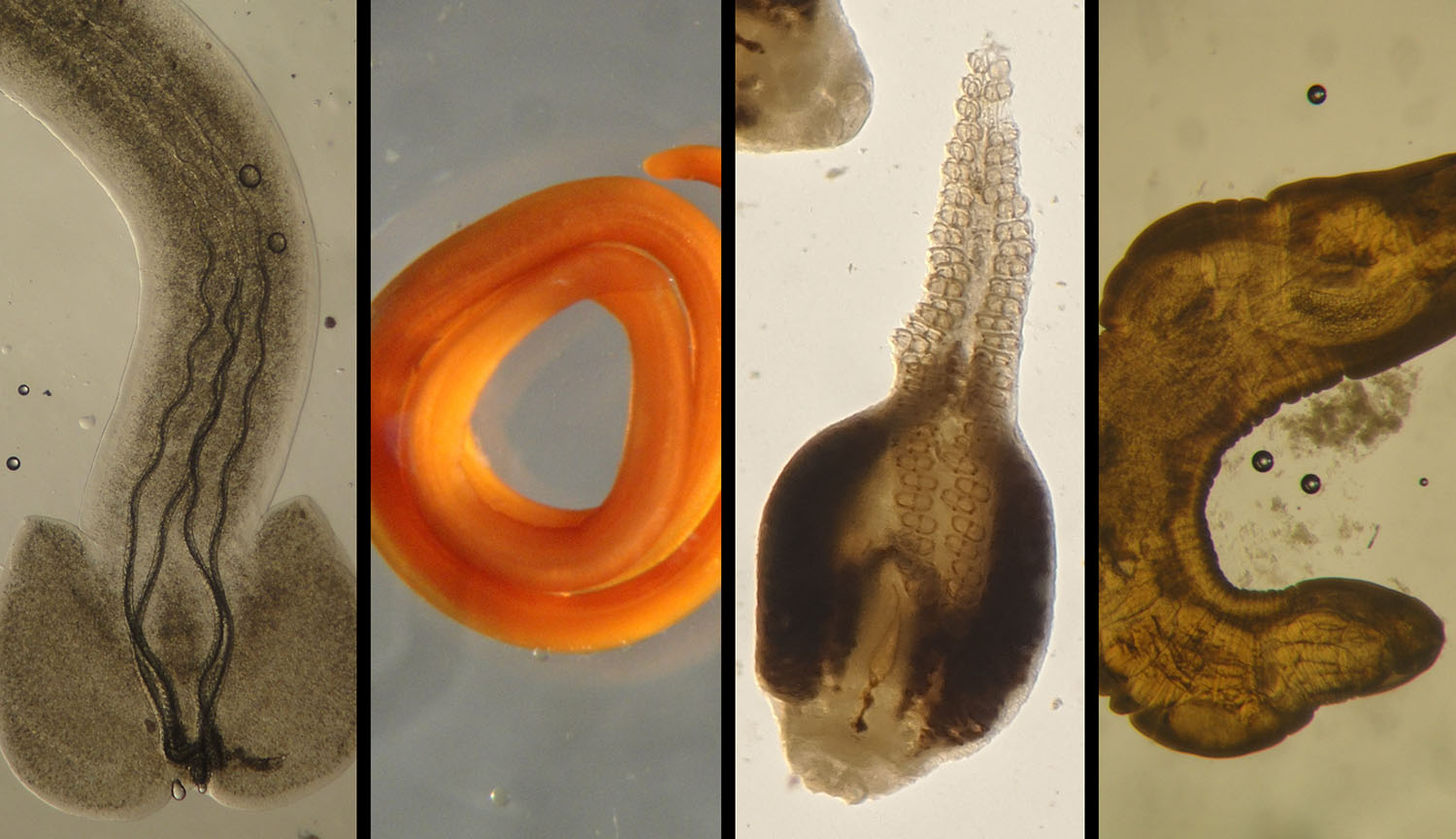
Parasite Ecologists Advocate for Conservation Efforts
The natural world is teeming with a myriad of organisms, many of which depend on more prominent species for their survival. In recent years, experts in parasitic ecology have noted a growing recognition of the importance of these often-overlooked organisms in conservation discussions.
Raising Awareness for the Unsung Heroes of Ecosystems
Historically, conservation efforts have predominantly focused on larger and more charismatic wildlife. However, researchers in parasitology are emphasizing that parasites play a crucial role in maintaining ecological balance and biodiversity. By shedding light on their ecological significance, these scientists advocate for a more inclusive approach to conservation that encompasses even the smallest of species.
The Importance of Parasites in Ecosystems
Parasites contribute to various ecological functions, including regulating host populations and fostering biodiversity. By understanding their roles within ecosystems, conservationists can better appreciate the intricate web of life and the necessity of preserving all its components. As awareness grows, so does the call for policies that protect these vital organisms and their habitats.
Conclusion: A Shift in Conservation Perspective
As the discourse around ecological conservation evolves, parasites are finally gaining the attention they warrant. This shift reflects a broader understanding of biodiversity, highlighting that every organism, no matter how small, has a vital role to play in the health of our planet.








Discussion about this post