

• Home
  • Insight
  • Blog
  • Business
  • Entertainment
  • Health
  • Politics
  • Shop
    • Gift Shop
    • Value Shop
    • Store
    • Bargain Shop
    • Discount
  • Sports
  • Tech
  • Travel
  • USA
  • Video
  • World
    • Asia
    • Africa
    • South America
    • North America
    • Europe
    • Oceania
Thursday, July 30, 2026
No Result
View All Result
Subscribe Now
  • Home
  • Insight
  • Blog
  • Business
  • Entertainment
  • Health
  • Politics
  • Shop
    • Gift Shop
    • Value Shop
    • Store
    • Bargain Shop
    • Discount
  • Sports
  • Tech
  • Travel
  • USA
    TX Rep. Brandon Gill Mocks James Talarico Over Fauci Action Figure Post

    TX Rep. Brandon Gill Mocks James Talarico Over Fauci Action Figure Post

    NBA players are ‘being taught’ to flop

    NBA players are ‘being taught’ to flop

    Industry was warned for years about chemical ‘runaway’ dangers. Then came near-catastrophe in O.C.

    Industry was warned for years about chemical ‘runaway’ dangers. Then came near-catastrophe in O.C.

    Trump administration seeks government-wide NDAs to stop leaks : NPR

    Trump administration seeks government-wide NDAs to stop leaks : NPR

    Dog discharges shotgun inside truck, striking woman at Nebraska traffic light

    Dog discharges shotgun inside truck, striking woman at Nebraska traffic light

    Toshifumi Suzuki, Japan’s ‘God’ of Convenience Stores, Dies at 93

    Toshifumi Suzuki, Japan’s ‘God’ of Convenience Stores, Dies at 93

     Judge Sanctioned CoreCivic for Destroying Video in ICE Death Suit

     Judge Sanctioned CoreCivic for Destroying Video in ICE Death Suit

    Suspect dead after opening fire near White House security checkpoint, Secret Service says

    Suspect dead after opening fire near White House security checkpoint, Secret Service says

    Trump trashes Colbert’s high-rated finale as “no ratings”

    Trump trashes Colbert’s high-rated finale as “no ratings”

  • Video
  • World
    • Asia
    • Africa
    • South America
    • North America
    • Europe
    • Oceania
The Insight Post
  • Home
  • Insight
  • Blog
  • Business
  • Entertainment
  • Health
  • Politics
  • Shop
    • Gift Shop
    • Value Shop
    • Store
    • Bargain Shop
    • Discount
  • Sports
  • Tech
  • Travel
  • USA
    TX Rep. Brandon Gill Mocks James Talarico Over Fauci Action Figure Post

    TX Rep. Brandon Gill Mocks James Talarico Over Fauci Action Figure Post

    NBA players are ‘being taught’ to flop

    NBA players are ‘being taught’ to flop

    Industry was warned for years about chemical ‘runaway’ dangers. Then came near-catastrophe in O.C.

    Industry was warned for years about chemical ‘runaway’ dangers. Then came near-catastrophe in O.C.

    Trump administration seeks government-wide NDAs to stop leaks : NPR

    Trump administration seeks government-wide NDAs to stop leaks : NPR

    Dog discharges shotgun inside truck, striking woman at Nebraska traffic light

    Dog discharges shotgun inside truck, striking woman at Nebraska traffic light

    Toshifumi Suzuki, Japan’s ‘God’ of Convenience Stores, Dies at 93

    Toshifumi Suzuki, Japan’s ‘God’ of Convenience Stores, Dies at 93

     Judge Sanctioned CoreCivic for Destroying Video in ICE Death Suit

     Judge Sanctioned CoreCivic for Destroying Video in ICE Death Suit

    Suspect dead after opening fire near White House security checkpoint, Secret Service says

    Suspect dead after opening fire near White House security checkpoint, Secret Service says

    Trump trashes Colbert’s high-rated finale as “no ratings”

    Trump trashes Colbert’s high-rated finale as “no ratings”

  • Video
  • World
    • Asia
    • Africa
    • South America
    • North America
    • Europe
    • Oceania
No Result
View All Result
No Result
View All Result
Home Energy

Guest post: How the global ‘water gap’ will grow under climate change

by Theinsightpost
February 19, 2025
in Energy
0 0
0
Guest post: How the global ‘water gap’ will grow under climate change

Freshwater, essential for ecosystems and human well-being, is becoming increasingly scarce. 

Population growth, urbanisation and socioeconomic development are all driving greater demand for the world’s finite water resources. At the same time, climate change is altering precipitation patterns and affecting water availability. 

Currently, approximately four billion people experience water scarcity for at least one month each year. 

Irrigated agriculture – which accounts for nearly 90% of the world’s water consumption – is a major driver of this scarcity. 

Without substantial reductions in greenhouse gas emissions, global temperatures could rise by 3C by the end of the century, exacerbating water shortages and impacting an additional 0.8 to 2.2 billion people.

In our new study, published in Nature Communications, we quantify and map current “water gaps” – shortfalls where water demand exceeds supply – around the world, and project how 1.5C and 3C of warming will impact water availability.

We find that under 1.5C of warming, the global water gap will increase by nearly 6%. But under 3C of warming, the gap will grow by almost 15%.

Our work shows that mitigating climate change can help lessen future water shortfalls, but robust adaptation methods will also be necessary to secure water security in a warmer world. 

‘Water gaps’

Traditionally, scientists have quantified water scarcity with a variety of indicators, which help assess water availability relative to demand. 

For example, the Falkenmark Indicator, or water stress index, is a simple indicator, measuring the per-capita water availability. However, this approach says nothing about the quality of the water, the soil moisture (which is critical for agriculture) or the environmental flows. Other indicators include the water use-to-availability ratio and the water poverty index.

These indicators have been instrumental in highlighting resource limitations, but they are no longer sufficient for modern water management needs because they do not provide a quantitative assessment of the water volumes overused by humans.

In our study, we introduce the concept of “water gaps”, defined as the difference in water volume when demand exceeds supply. 

We used historical water use data and water availability from a water-resources model to map the average global water gap between 2001 and 2010.

This approach has some advantages over traditional indicators. 

By actually quantifying the volumes of water needed to solve water scarcity in a given location, decisionmakers can be better informed when designing solutions to solve it. For example, given a certain water gap, they can figure out how much desalination would be needed to solve water scarcity.

Water gaps represent the difference between the availability of “renewable” water resources and water consumption within a specific region and timeframe – where renewable water is that which can be replenished naturally through the water cycle.

When water availability falls below consumption, it signals a critical shortage and leads to unsustainable water use. These shortages threaten human needs, agriculture, industry, energy production and ecosystems – potentially leading to severe social, economic and environmental consequences.

We found that the current global water gap is approximately 458 cubic kilometres (km3) per year. (One cubic kilometre is equivalent to 1bn cubic metres.) The countries with the largest individual gaps are India, the US, Pakistan, Iran and China, but water gaps exist on every continent.

The map below shows the baseline average water gap, with lighter colours representing smaller gaps and darker colours representing larger ones. Light blue areas are areas where there is no water gap, and white areas show regions without human water consumption.

Baseline water gaps, in km3 per year, from 2001 to 2010. Lighter yellow colours indicate a smaller water gap, with darker reds indicating a larger water gap. White shows parts of the world without significant human water consumption, blue shows areas where there is no water gap. Credit: Rosa & Sangiorgio (2025)

In areas with water gaps, humans must make up the shortfall by depleting groundwater, rivers, lakes and aquatic ecosystems. 

Future shortfalls

We also look forward, projecting how water gaps might grow under future climate change.

We use five climate models from the sixth Coupled Model Intercomparison Project (CMIP6) to obtain projections of climatic conditions, such as rainfall and temperature.We focus on two levels of warming: 1.5C, part of the long-term goal under the Paris Agreement, and 3C, which is a realistic level of warming for the end of the century under current climate policies. 

Then, we use those climate outputs into a hydrological model to determine the availability of renewable water under each warming scenario. 

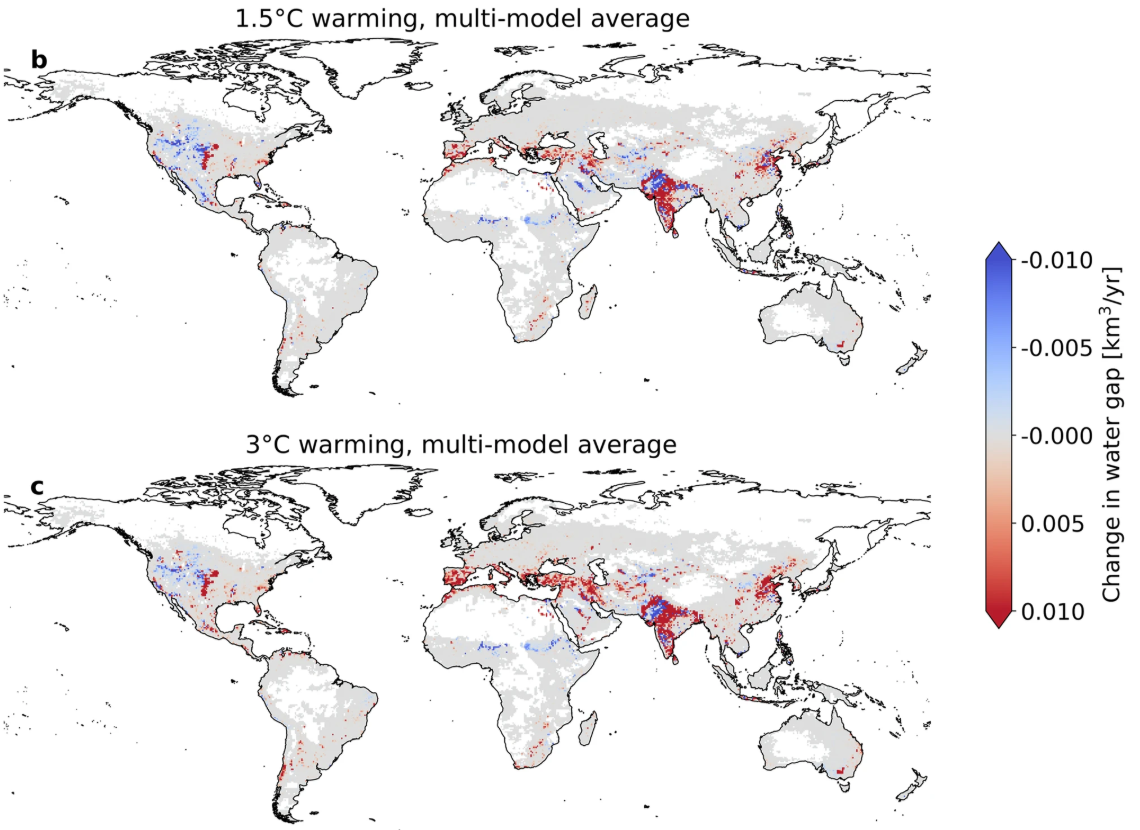
Under 1.5C of warming, the global water gap is projected to increase by around 26.5km3 per year – an increase of 5.8% from the current baseline. A 3C warming scenario would see a more severe rise of 67.4km3 per year, or 14.7%. 

The difference in the size of the water gap under these two warming scenarios underscores the critical need for ongoing climate change mitigation to minimise its impact on water resources.

Regional patterns

The regional variability in water gaps highlights the uneven impacts of climate change, with some countries and river basins facing significant vulnerabilities. 

India, which has the largest baseline water gap of 124.3km3 per year, is also expected to see the most significant increase in water gaps. Other countries experiencing notable increases include China, Pakistan, the US, Spain and Turkey. 

Substantial water gaps can currently be found in the Ganges-Brahmaputra basin in India and Bangladesh, the Sabarmati basin in India and the Tigris-Euphrates basin, which covers much of the Middle East. Under both warming scenarios, notable increases in water gaps are expected in the Ganges-Brahmaputra basin and the Mississippi-Missouri basin in the US.

While the climate models we used agree on worsening water gaps in most regions, some countries, such as Nigeria, Niger, Chad, Sudan, Ethiopia, Vietnam and the Philippines, are projected to see modest reductions in water gaps. Modest decreases are anticipated in the Sabarmati and Nile river basins. 

The maps below show the projected changes in global water gaps under 1.5C (top) and 3C (bottom) of warming. Areas in blue are projected to have a decreased water gap in the future, while areas in red are projected to have an increased one.
Baseline water gaps, in km3 per year, from 2001 to 2010.
Baseline water gaps, in km3 per year, from 2001 to 2010. Lighter yellow colours indicate a smaller water gap, with darker reds indicating a larger water gap. White shows parts of the world without significant human water consumption, blue shows areas where there is no water gap. Credit: Rosa & Sangiorgio (2025)

No single solution can ensure global water security – effective solutions require both reducing water consumption and increasing water availability.

Reducing consumption can involve switching to less water-intensive crops, minimising food waste and enhancing irrigation efficiency. On the supply side, expanding water storage infrastructure, investing in seawater desalination technologies, and reusing treated wastewater can help augment freshwater resources. 

A combination of these approaches, tailored to local needs, is essential for tackling water scarcity and ensuring long-term water security.

Our findings underscore the urgent need for robust adaptation and mitigation strategies to manage escalating water scarcity. By quantifying these future water gaps, decisionmakers can better understand regional vulnerabilities and develop targeted interventions. 

Sharelines from this story
ShareTweetSend
Previous Post

NZBusiness podcast returns for season 2 with new sponsor

Next Post

Three of Dawoud Bey’s Favorite Artworks

Related News

World falling short on 22 of 23 nature targets for 2030, says draft UN report
Energy

World falling short on 22 of 23 nature targets for 2030, says draft UN report

July 30, 2026
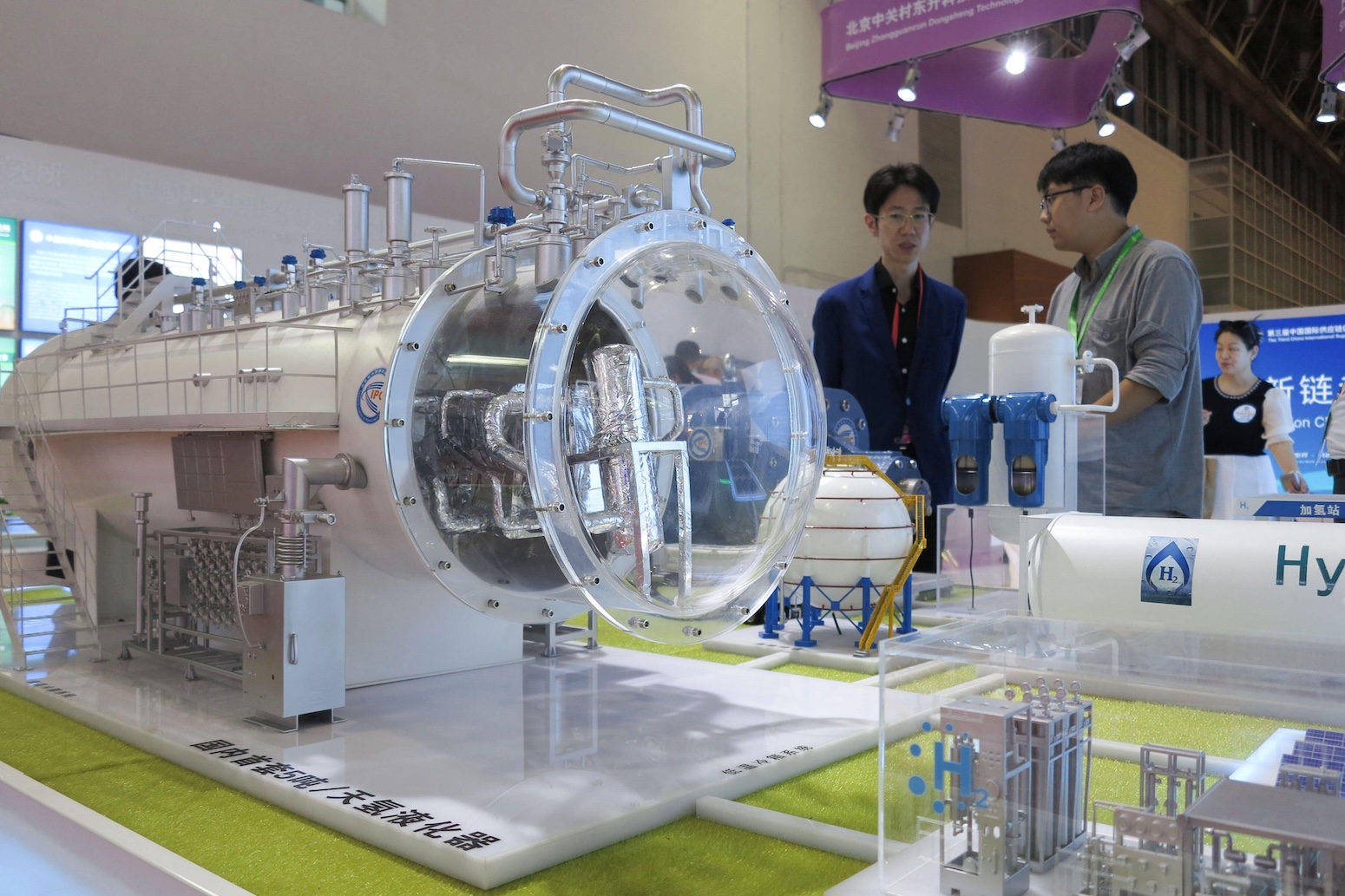
Q&A: Can China turn hydrogen into its next clean-energy industry?
Energy

Q&A: Can China turn hydrogen into its next clean-energy industry?

May 27, 2026
Analysis: China’s new carbon metric leaves Germany-sized gap in its emissions
Energy

Analysis: China’s new carbon metric leaves Germany-sized gap in its emissions

May 26, 2026
Revealed: Floods have forced at least 67 closures at NHS hospitals since 2021
Energy

Revealed: Floods have forced at least 67 closures at NHS hospitals since 2021

May 25, 2026
Next Post
Three of Dawoud Bey’s Favorite Artworks

Three of Dawoud Bey’s Favorite Artworks

Discussion about this post

Subscribe To Our Newsletters

    Customer Support


    1251 Wilcrest Drive
    Houston, Texas
    77042 USA
    Call-832.795.1420
    e-mail – news@theinsightpost.com

    Subscribe To Our Newsletters

      Categories

      • Africa
      • Africa-East
      • African Sports
      • American Sports
      • Arts
      • Asia
      • Australia
      • Business
      • Business Asia
      • Business- Africa
      • Canada
      • Defense
      • Education
      • Egypt
      • Energy
      • Entertainment
      • Europe
      • European Soccer
      • Finance
      • Germany
      • Ghana
      • Health
      • Insight
      • International
      • Investing
      • Japan
      • Latest Headlines
      • Life & Living
      • Markets
      • Mobile
      • Movies
      • New Zealand
      • Nigeria
      • Politics
      • Scholarships
      • Science
      • South Africa
      • South America
      • Sports
      • Tech
      • Travel
      • UK
      • USA
      • Weather
      • World
      No Result
      View All Result

      Recent News

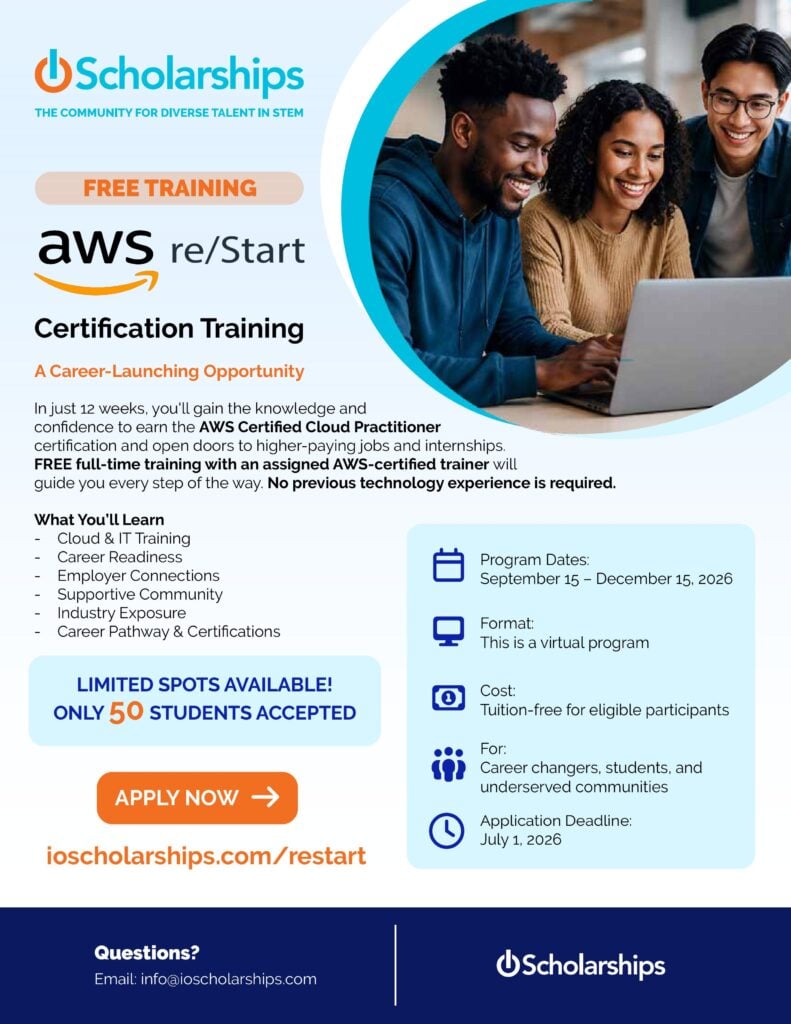
      Free Cloud Computing Course | AWS Re/Start Program 

      Free Cloud Computing Course | AWS Re/Start Program 

      July 30, 2026
      Thirty Years Later

      Thirty Years Later

      July 30, 2026
      Announcing Codemagic Patch: an open-source CodePush rebuild for React Native

      Announcing Codemagic Patch: an open-source CodePush rebuild for React Native

      July 30, 2026
      Following Expansion in China, Regional Private Equity Faces New Scrutiny in Southeast Asia – The Diplomat

      Following Expansion in China, Regional Private Equity Faces New Scrutiny in Southeast Asia – The Diplomat

      July 30, 2026
      • Home
      • Advertise With Us
      • About Us
      • Corporate
      • Consumer Rewards
      • Forum
      • Privacy Policy
      • Social Trends

      Theinsightpost ©2026 | All Rights Reserved. Theinsightpost is an Elnegy LLC company, registered in Texas, USA

      Welcome Back!

      Login to your account below

      Forgotten Password?

      Retrieve your password

      Please enter your username or email address to reset your password.

      Log In

      Add New Playlist

      We are using cookies to give you the best experience on our website.

      You can find out more about which cookies we are using or switch them off in .

      No Result
      View All Result
      • Home
      • Insight
      • Blog
      • Business
      • Entertainment
      • Health
      • Politics
      • Shop
        • Gift Shop
        • Value Shop
        • Store
        • Bargain Shop
        • Discount
      • Sports
      • Tech
      • Travel
      • USA
      • Video
      • World
        • Asia
        • Africa
        • South America
        • North America
        • Europe
        • Oceania

      Theinsightpost ©2026 | All Rights Reserved. Theinsightpost is an Elnegy LLC company, registered in Texas, USA

      The Insight Post
      Powered by  GDPR Cookie Compliance
      Privacy Overview

      This website uses cookies so that we can provide you with the best user experience possible. Cookie information is stored in your browser and performs functions such as recognising you when you return to our website and helping our team to understand which sections of the website you find most interesting and useful.

      Strictly Necessary Cookies

      Strictly Necessary Cookie should be enabled at all times so that we can save your preferences for cookie settings.

      Cookie Policy

      More information about our Cookie Policy