





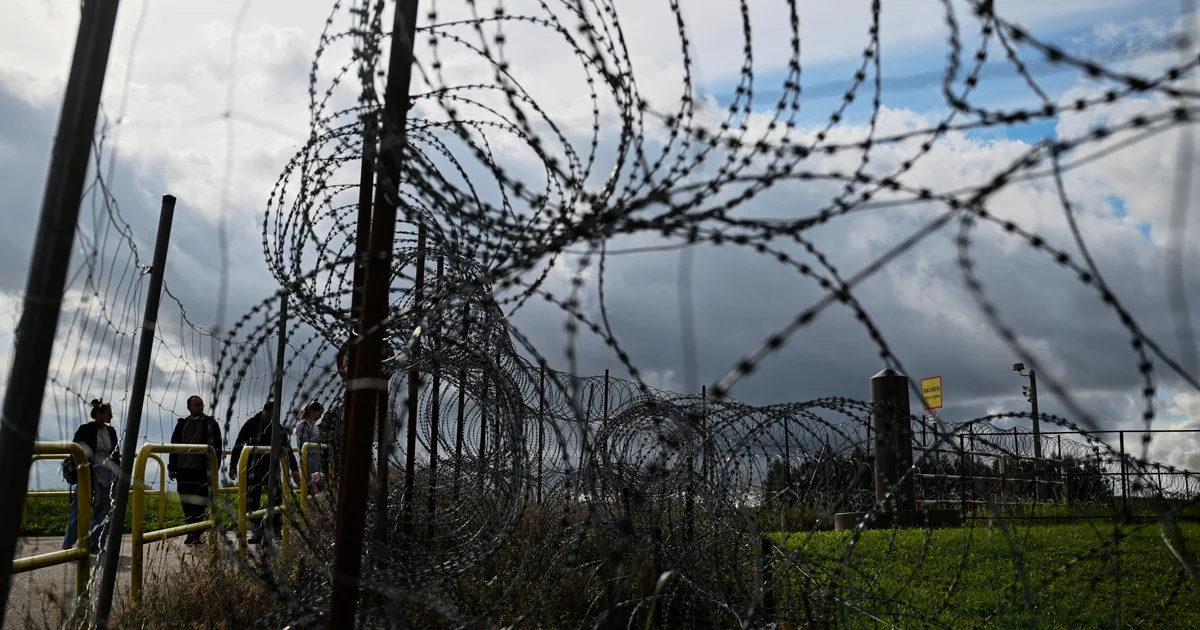
Poland Enhances Security Measures Near Kaliningrad Border
Berlin — This week, Poland initiated an extensive security operation along its border with the Russian exclave of Kaliningrad, according to the country’s national police chief. Prime Minister Donald Tusk indicated that these measures may have thwarted potential sabotage or provocative actions aimed at the NATO member state.
Deployment of Specialized Forces
In response to heightened tensions, additional police units, counterterrorism teams, and troops from the elite military unit GROM have been mobilized. National police chief Marek Boroń announced that the operation would commence on Monday and remain in effect until at least November 8.
Intelligence Warnings and Security Preparedness
Polish and allied intelligence agencies had issued warnings regarding possible sabotage attempts and provocations during early November, particularly in areas close to Kaliningrad. These alerts prompted domestic security services to heighten vigilance even before the additional forces were deployed to northeastern regions, including Warmia-Masuria and Podlaskie.
Reports of Suspicious Activity
On Tuesday, Prime Minister Tusk reported the observation of unusual activities near Kaliningrad, including individuals spotted with flashlights in proximity to the border. He emphasized that the rapid response from Polish security forces might have prevented an unconfirmed act of provocation this week.
New Security Operations Command Center Established
A special command center has been established at the national police headquarters to oversee the operation, aimed at safeguarding the public, identifying suspicious activities early, and protecting critical infrastructure.
Strategic Importance of Kaliningrad
The Kaliningrad exclave, bordered by Poland and Lithuania, as well as the Baltic Sea to the west, holds significant military and strategic importance. It is widely believed that Russian security agencies, including the FSB and GRU, maintain a presence in the region.

Context of Increased Tensions
Polish authorities have not presented specific evidence of imminent sabotage plans or attacks emanating from Kaliningrad as of Tuesday afternoon. However, the increased alert level is indicative of months marked by various incidents across Europe attributed to Russian state actors.
During a joint press conference with Lithuania’s Prime Minister on October 13, Tusk recounted a discussion with NATO Supreme Allied Commander Alexus Grynkewich, which reinforced concerns over rising sabotage threats, including possible aircraft provocations and attacks on border crossings.
Broader Security Landscape in Europe
Sir Ken McCallum, head of Britain’s domestic spy agency MI5, has expressed grave concerns about security threats facing both the U.K. and Europe, identifying Russia as a primary aggressor. He cautioned that the Russian military and intelligence services are intensifying their hybrid warfare tactics while avoiding actions that would trigger NATO’s collective defense clause.
Recent incidents attributed to Russia include a fire at a Polish drone factory and an arson attack on a Starlink satellite ground station, both of which occurred within the last few months. Furthermore, Russian drones have repeatedly entered NATO airspace in Eastern Europe, further escalating tensions.
This week, the U.K. Royal Navy reported intercepting a Russian spy vessel monitoring NATO exercises off the northern coast of Scotland, highlighting the ongoing complexities of European security dynamics.








Discussion about this post