




Photo: Emily Elconin/Bloomberg via Getty Images
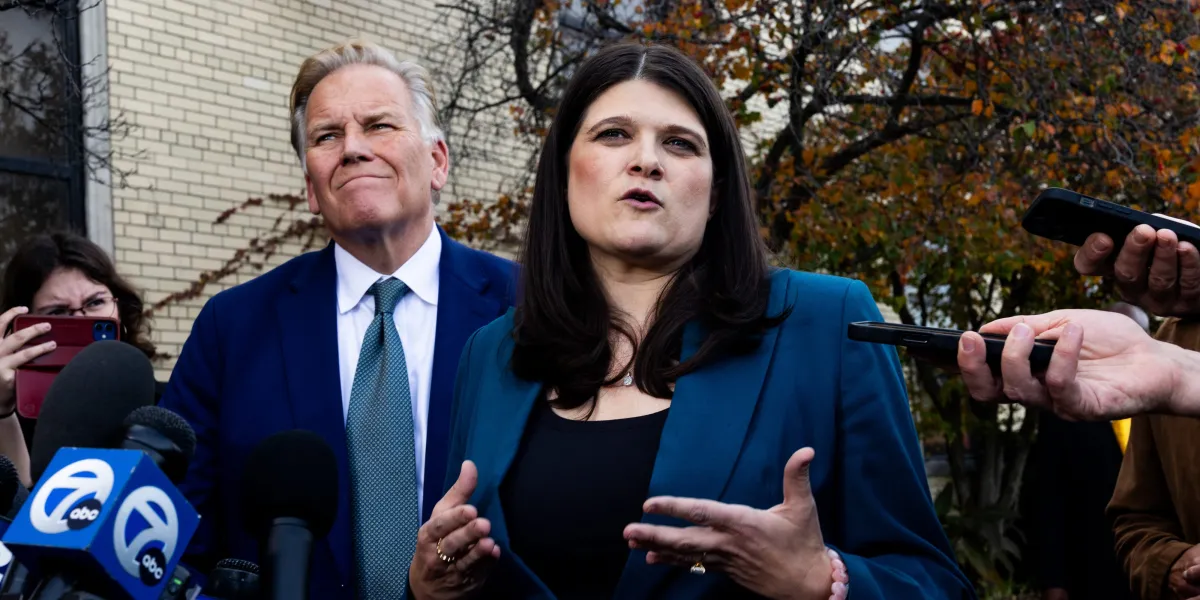
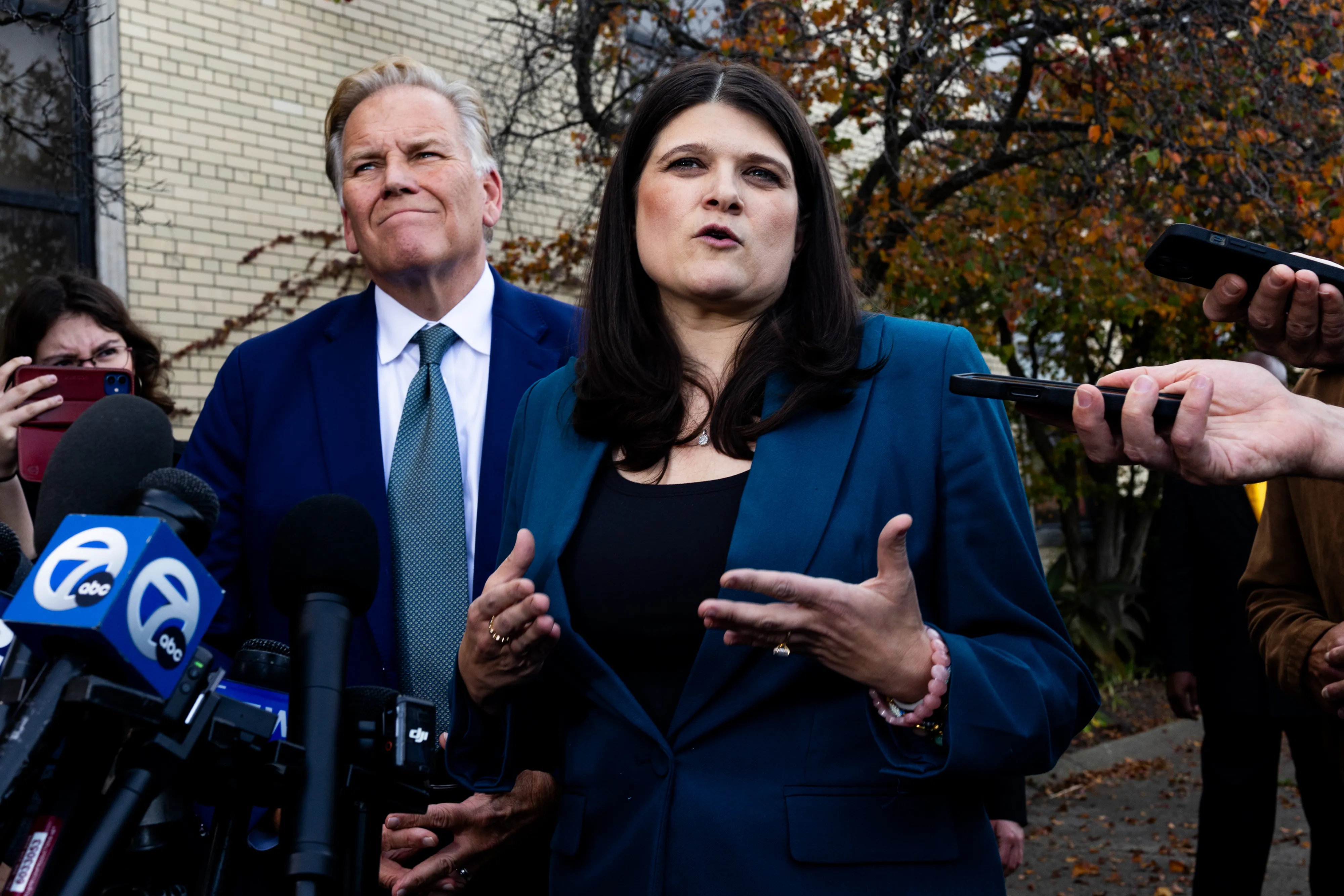
Michigan’s Democratic Senate primary candidate Rep. Haley Stevens, who lost her bid, has drawn significant attention following her recent endorsement of Republican Mike Rogers over the Democratic nominee, Abdul El-Sayed. This move is seen by many as a deviation from party loyalty and has sparked debates within political circles.
In a video posted on social media, recorded from her car, Stevens declared her support for Rogers, contrasting her previous description of him as a “rubber stamp for Donald Trump’s dangerous agenda.” This endorsement has placed her in a contentious narrative, reminiscent of other establishment Democrats who have prioritized specific political agendas over collective party interests.
Stevens’s defection is viewed as a strategic, albeit controversial, gesture aimed at appealing to pro-Israel constituencies.
Stevens stated, “I don’t belong in Abdul’s campaign,” indicating a significant rift given that El-Sayed maintains a strong base of support among Democratic voters in Michigan, commanding 95% according to recent polls.
Her endorsement comes after a controversial period where Stevens suggested that El-Sayed should make more efforts to engage with Israel supporters, a move criticized for being both misguided and prejudiced.
Political Parallels
Stevens joins a list of conservative Democrats who appear to prioritize specific agendas over broader societal welfare. Comparisons have been made to former Senators such as Kyrsten Sinema and Joe Manchin, who faced backlash for their decisions which often seemingly contradicted their party’s electorate base.
Stevens’s alignment with Rogers harks back to a trend among some moderates in her party who have increasingly leaned towards Republican ideologies, particularly in the context of supporting pro-Israel sentiments over progressive initiatives.
As political commentator Eoin Higgins pointed out, many Democrats have shown a greater willingness to see Republican victories rather than allow left-wing perspectives to gain traction.
This shift raises questions about the Democratic Party’s integrity in maintaining a unified front against opposing parties, especially as they face a critical election season.
Reactions from Party Leaders
Stevens’s endorsement was met with swift condemnation from influential figures within the Democratic Party. Senate Minority Leader Chuck Schumer labeled her actions a “despicable betrayal,” highlighting a potential shift in party dynamics where support for progressive candidates is becoming paramount.
While Schumer’s criticism may not signal a complete ideological shift, it reflects an emerging political landscape where the party is recognizing the value of a more progressive platform, particularly in key races against Republican contenders.
Despite Stevens’s theatrics, political analysts suggest that her actions are unlikely to significantly impact the outcome of the upcoming election. Voters who prioritize Israel’s interests over social justice are already predisposed to support candidates aligned with that perspective, regardless of such endorsements.
In a tightly contested race, every shift in voter allegiance underscores the extremes within centrist politics.
The timing and strategic nature of Stevens’s endorsement raise questions about its effectiveness. As the election approaches, the ramifications of her loyalty shift could be pivotal, especially in a close race.
Amidst these developments, El-Sayed remains focused on addressing pressing issues affecting Michigan residents, such as education and healthcare, dismissing Stevens’s antics as distractions from the core concerns of the electorate.
“None of this matters,” he stated emphatically, redirecting the conversation toward substantive policy discussions essential for the state’s future.





Discussion about this post