









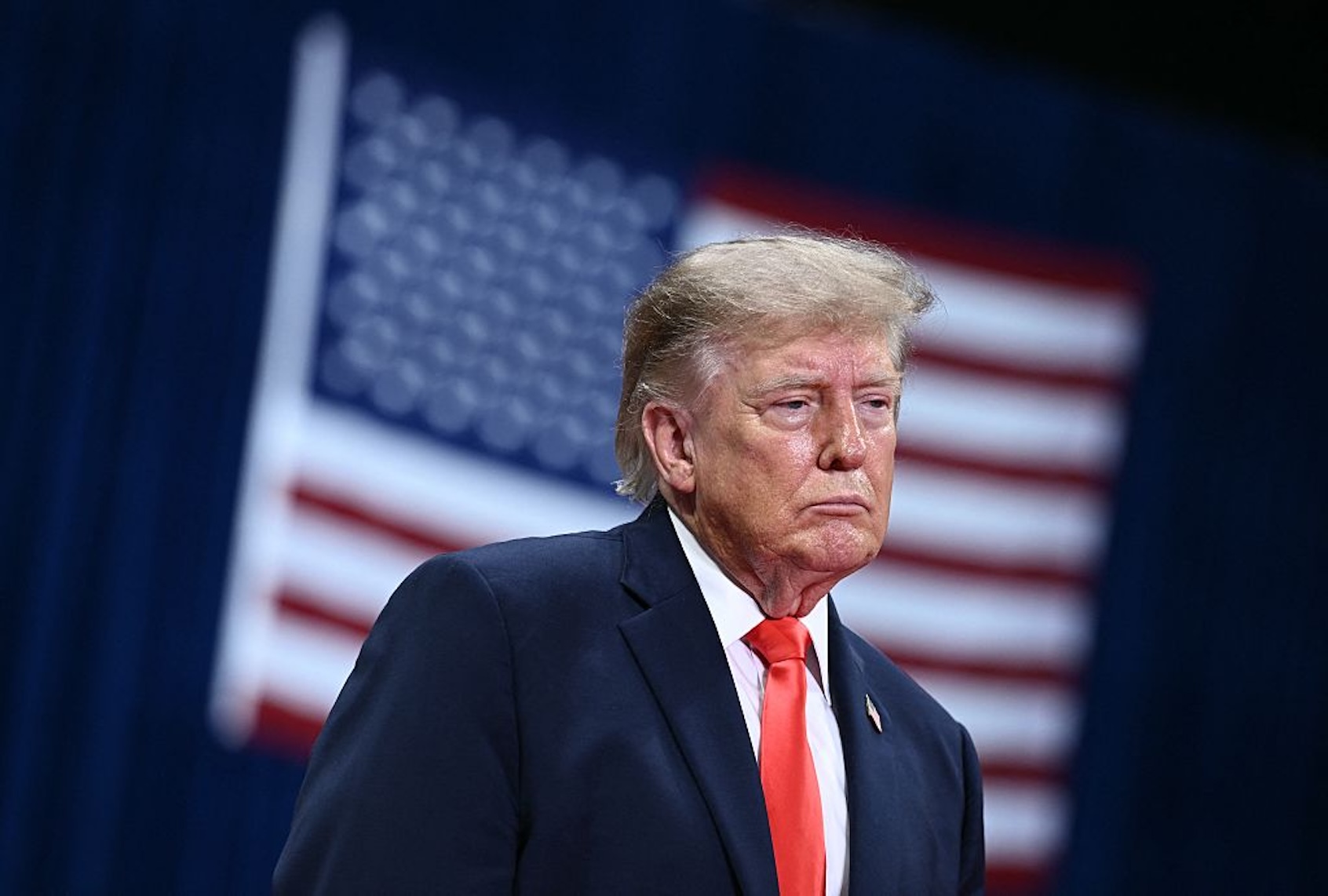
Political Dynamics Shift as Midterm Elections Reshape Power Landscape
The recent midterm elections have unveiled a significant transformation in the political landscape, raising questions about the nature of political loyalty and the responsibilities of leadership. As Donald Trump and his MAGA movement experience a decline in influence, the electorate appears to reassess its priorities and expectations.
Democrats Secure Unexpected Wins
In a surprising turn of events, the 2026 midterm elections resulted in the Democrats gaining control of both the House of Representatives and the Senate. This shift included victories in traditionally Republican strongholds such as Texas and Kansas, along with House districts that Trump had comfortably won just two years prior.
Voter Sentiment Reflects Economic Concerns
Recent voter polls indicate that President Biden’s approval rating hovers around 38%, with approximately 60% of voters citing his presidency as a key factor in their decisions at the ballot box. However, underlying these statistics is a more pressing narrative: Americans are grappling with rising living costs, the economic ramifications of tariffs, uncertainties surrounding international conflicts, and waning confidence in U.S. leadership on the global stage.
Promises vs. Reality: A Dissonance
Trump’s pledges to eliminate corruption, end foreign military engagements, and lower prices are now being scrutinized by voters who question whether he has fulfilled these commitments. Unlike the Pied Piper, who resolved the town’s rat problem, Trump now faces an electorate that feels the issues he vowed to address have only intensified.
Throughout the midterm campaign, Trump consistently urged his supporters to act as if he were on the ballot. In this narrative, the Piper not only failed to rid the town of its rats but also increased their numbers, all while expecting compensation.
Conflicting Narratives Among Supporters and Detractors
Supporters of Trump argue that his administration delivered on key promises, pointing to stringent immigration policies, deregulation, and challenges to the political status quo as evidence of success. They contend that voters who have turned away from these policies resemble townspeople who benefited from the Piper’s services yet reneged on their agreement.
The Ethical Dilemma of Political Loyalty
This situation exposes a critical ethical dilemma: at what point does political loyalty shift from a shared commitment to a relinquishment of independent judgment? In a democratic society, voters are not bound to follow a leader indefinitely; they possess the right to reassess their allegiances and withdraw support as necessary.
The Role of Leadership Responsibility
Elected officials bear a heightened responsibility in this dynamic. Unlike the children led away by the Pied Piper, lawmakers have the authority to question the direction in which they are being guided. While some Republican lawmakers embraced Trump’s leadership, others followed him warily, aware that dissent could provoke political backlash, as evidenced by the primary challenges faced by figures like Rep. Thomas Massie and Sen. Bill Cassidy.
Cooperation vs. Ethical Integrity
While political collaboration is essential for governance, it becomes problematic when allegiance to an individual supersedes the obligation to critically evaluate and act independently. The oath of office should not be a pledge to a president but a commitment to uphold the Constitution. A leader’s ability to command loyalty does not equate to a moral right to receive it.
Consequences of Political Decisions
The ramifications of political decisions often fall on ordinary citizens, who face the repercussions of instability, diminished public trust, and the costs associated with ongoing conflicts. The effectiveness of a leader should not be gauged solely by their ability to garner followers but by the outcomes for those who do not align with their agenda.
Democrats Face Their Own Ethical Challenges
With the Democrats now holding significant power, they are presented with their own ethical tests. Will they govern with the transparency and accountability they previously demanded from their opponents? Will they encourage dissent within their ranks? The transition of power requires not only a change in leadership but also a commitment to ethical governance, transparency, and accountability.
The Need for Independent Judgment
The upcoming Congress must not only reflect a shift in political power but also demonstrate a dedication to reforming ethics and ensuring accountability. The American electorate did not simply vote for a change in leadership; they sought a government that deserves their trust.
Listening for a New Tune
The true challenge lies not just in determining who will lead next, but in whether we have learned to listen with discernment, questioning where the journey will lead us.
Read more
about the 2026 midterms





Discussion about this post