



Controversy Surrounds Rep. Haley Stevens’ Endorsement of Republican Mike Rogers
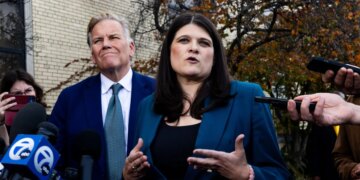
Rep. Haley Stevens, a Democrat from Michigan, has ignited a firestorm of criticism after publicly endorsing Republican candidate Mike Rogers just days before the U.S. Senate election in Michigan. The endorsement, made during a social media post following a church service with Rogers, has drawn ire from prominent Democrats and leftist groups across the country.
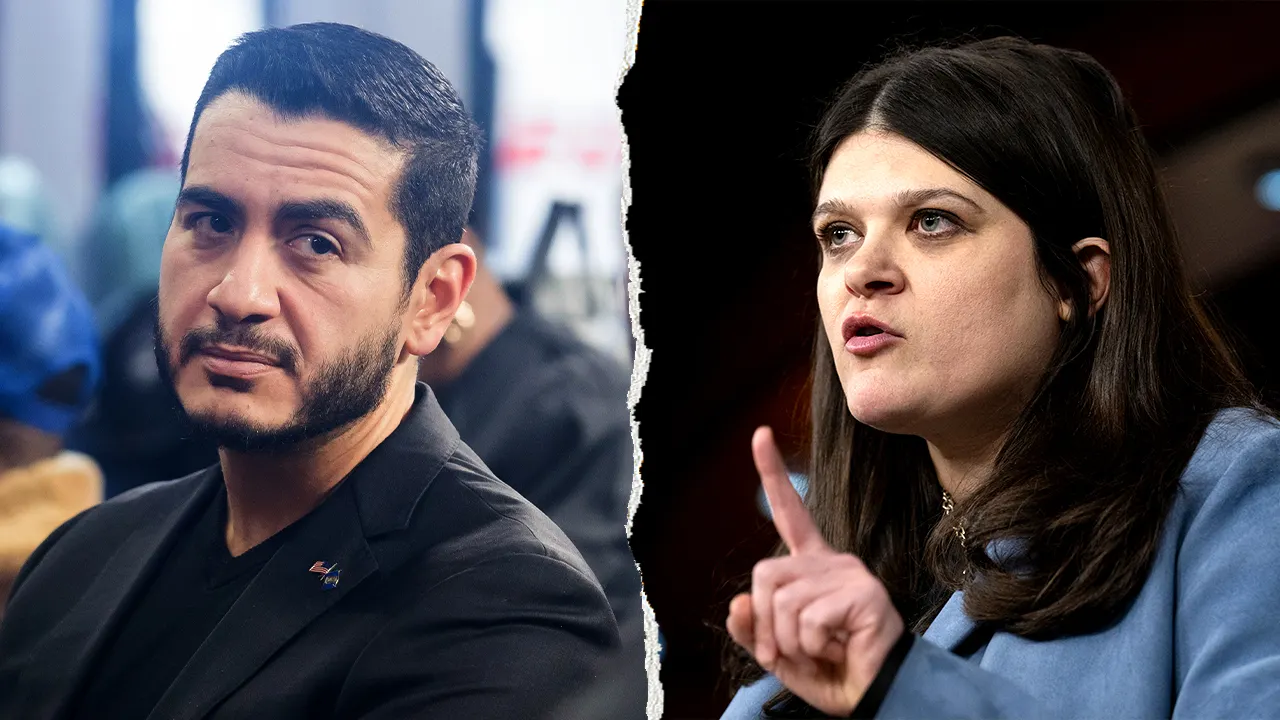
In her video announcement, Stevens highlighted a conversation with Abdul El-Sayed, the Democratic nominee, who allegedly urged her to “stay away” from his campaign. She criticized El-Sayed for his association with radical online personality Hasan Piker, who has also voiced his disapproval of Stevens’ endorsement.
Politicians React
New York City Mayor Zohran Mamdani expressed his disappointment via social media, stating, “Working-class people’s lives are on the ballot on Tuesday—their healthcare, their rent, their bills. Haley Stevens just betrayed them by endorsing the very Republican she said she wanted to run against.”
Michigan Democratic Party Chair Curtis Hertel took to X to declare, “Congresswoman Stevens is not a current member of the Michigan Democratic Party, nor will she be in the future.” This strong rebuke illustrates the depth of dissent within her own party.
Stevens’ Political Future in Question
Stevens, who will leave Congress next January after losing the Democratic primary to El-Sayed earlier this year, has been seen as a moderate candidate amidst a landscape of progressive ideologies. Her recent actions have alienated her from the Democratic establishment, particularly at a crucial moment when party unity is essential for regaining control of the Senate.
Senate Minority Leader Chuck Schumer remarked, “This is a despicable betrayal from Rep. Stevens. Senate Democrats are united in our support for Abdul El-Sayed, who we know will advocate for the economic interests of working families, unlike Mike Rogers, a tool of Donald Trump and wealthy donors.”
Immediate Backlash from Democratic Colleagues
House Minority Leader Hakeem Jeffries characterized Stevens’ endorsement as a betrayal that blindsided the party, stating, “We will have a discussion about appropriate next steps upon our return.” Others, like Rep. Mark Pocan, accused Stevens of being “clearly disturbed,” claiming she has disregarded her constituents’ needs.
Stevens’ endorsement has not only incited political backlash but also led to an abrupt resignation of several staff members from her team, reflecting the internal strife spurred by her decision.
El-Sayed Condemns Media Focus on Stevens
Following the backlash, El-Sayed urged members of the media to focus on relevant issues impacting Michiganders, rather than on Stevens’ controversial choice. He emphasized, “Keep your questions focused on the issues that Michiganders really care about,” aiming to shift the narrative away from the political fallout.
Democratic Party’s National Response
Condemnation of Stevens’ actions reached the national level, with Democratic National Committee Chair Ken Martin stating that her decision to endorse Rogers is a betrayal of the party’s values. He urged unity among Democrats during this pivotal election period and reaffirmed commitment to electing El-Sayed.
The Democratic Senatorial Campaign Committee echoed these sentiments, labeling Rogers as a “rubber stamp for Donald Trump” and reiterating the importance of their electoral objectives.
Controversial Figures Impacting the Election
Adding to the complexity of the race, Hasan Piker’s previous remarks have become a point of contention. His comments regarding sensitive political issues, coupled with his association with El-Sayed, have made the candidate’s position more precarious among Jewish voters in Michigan.
El-Sayed has sought to distance himself from Piker, endorsing issues rather than affiliations, but the controversy continues to linger, drawing attention away from his campaign’s core message.
Conclusion
As Michigan voters prepare for the upcoming election, the implications of Stevens’ endorsement have stirred discussions about party loyalty and the broader dynamics at play within the Democratic Party. The fallout from this endorsement will likely shape not only the Senate race but also the future prospects of the candidates involved.





Discussion about this post