








The Media Lab Marks a Decade of Innovation
Co-founder Antony Young shares insights on the agency’s inception, transformation, and a decade of media evolution.
Ten years ago, after two decades of leading agencies in New York and London, I returned to New Zealand, ready to begin a new chapter. My experience was rooted deep within established holding companies like Publicis and WPP.
Although I relished the privileges of high-profile gatherings—such as reserved tables at The Ivy and premium seats at Madison Square Garden—I grew weary of the relentless drama inherent in agency networks. The culture of aggressively pitching for accounts, often at the expense of client welfare and employee well-being, was disheartening. Recurring mergers and restructures masqueraded as innovation, while traditional media buying practices felt increasingly antiquated.
Feeling disillusioned, I took a step back and embraced an unexpected lifestyle change as a part-time blueberry farmer in Horowhenua, believing my prime advertising years were behind me.
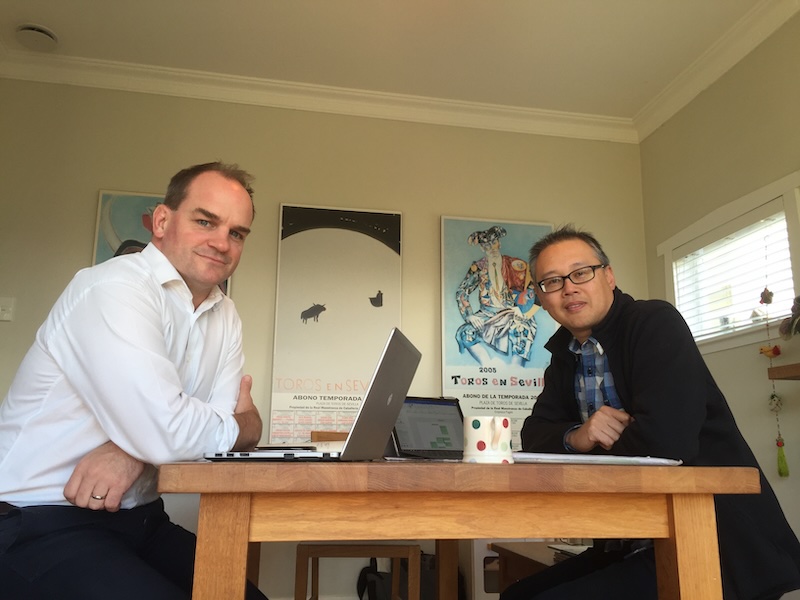
However, fate intervened when I met Matt McNeil, who was also contemplating his exit from OMD. Sitting around Matt’s kitchen table, we envisioned a new type of agency—a content and social media outlet designed to adapt to changing industry paradigms. Our premise was that conventional paid advertising had lost its relevance; the market needed a fresh media model.
As the landscape evolved, it became clear that platforms like Meta shifted their focus to monetizing brand advertising rather than offering organic reach. This shift compelled us to transition our agency’s identity, ultimately becoming a full-service media agency to meet the needs of our clients.
Transformative Approaches in a Competitive Market
Despite its smaller scale, New Zealand’s advertising market boasts the same roster of global agencies as New York, alongside a plethora of independent firms. We argued, largely among ourselves, that there was room for a unique agency that would provide a different approach.
Our strategy was straightforward: prioritize unpaid media channels—such as content, brand PR, social media, influencers, SEO, and AEO—before delving into paid media. These channels were not only underutilized but also demonstrated remarkable performance. By making them the foundation of our strategy, we positioned paid media as the amplification tool.
To achieve this vision, we recognized the need for broader, more creative skill sets and sought to develop them within our agency.
Emphasizing Collaboration and Community Engagement
While independent agencies often tout their autonomy, true distinction emerges from the approach to work. We chose to prioritize proximity to the tasks at hand.
Data analytics, measurement, and efficiency are vital, yet the core of media remains rooted in problem-solving. Our recent projects have addressed pressing social issues, such as gambling harm, mental health, and community safety.
We consciously selected to engage with challenging demographics: rural and small-town New Zealanders, youth, Māori, Pacific and Asian communities, and other often-overlooked groups. Effective communication occurs when brands connect directly with their target audiences, and it is within this nuanced dialogue that true impact happens.
Additionally, we chose Wellington as our base. Despite discussions surrounding the city’s economic challenges, we maintain a positive outlook for its future, reflected by our optimistic client relationships.
A Vision for the Future Amidst Change
As we celebrate The Media Lab’s tenth anniversary, it is clear that our initial vision has proven effective. However, I am hesitant to articulate a specific plan for the next decade. Just ten years ago, the media landscape was drastically different—social media content was in its infancy, linear television dominated, and advertising options were limited.
Future changes in media are inevitable, but one constant remains: brands and organizations will continue to seek growth in market share, improved financial health, and shifts in public perception. To accomplish these goals, effective communication will always be essential.
As long as there is a demand for such communication, The Media Lab will be here to meet it. If not, perhaps I’ll find solace in returning to blueberries.








Discussion about this post