








Trump Acknowledges Impact of Immigration Policies on Midterm Elections
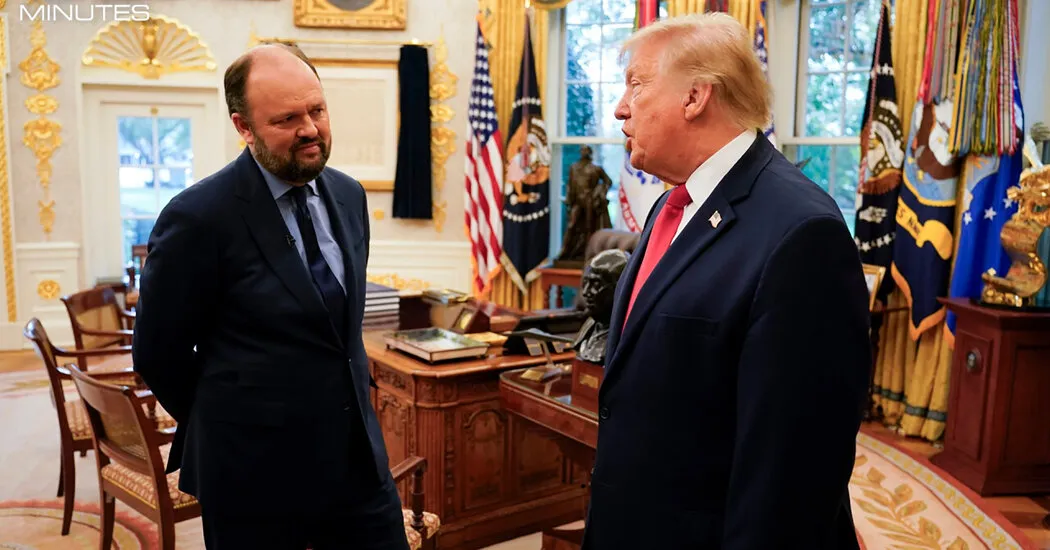
Former President Donald Trump has expressed concern that his stringent immigration policies may have negatively influenced the Republican Party’s performance during the recent midterm elections. In a candid interview that aired on “60 Minutes” on Sunday, Trump described his deportation strategies as “too tough,” acknowledging a shift in his previous stance on the matter.
Identifying Challenges for the GOP
During the interview, Trump reflected on what he had initially viewed as a significant achievement during his presidency—the tightening of immigration enforcement. He admitted that this approach contributed to substantial losses for Republicans, allowing Democrats to gain control of both chambers of Congress by significant margins. Trump suggested that a compromise with Democrats on immigration issues was “actually doable.”
A Mixed Review of Policies
“I think it both helped and hurt,” Trump stated. He credited himself with effectively securing the U.S. border and removing individuals with criminal backgrounds but acknowledged that these actions also affected law-abiding immigrants who entered the country illegally. “I think it might be too tough,” he conceded when asked if his deportation strategy was excessive, admitting that this aspect of his policy had repercussions for his political standing.
Post-Election Reflections
This interview marked Trump’s first detailed discussion regarding the midterm election results, during which he attributed the Republican losses to multiple factors, including his absence from the ballot, ineffective messaging, low voter turnout among party members, and the unpopularity of the ongoing war in Iran.
Strategic Revisions Following Losses
Interestingly, Trump’s acknowledgment that his immigration stance may have alienated voters coincided with the announcement of a key personnel change: Stephen Miller, the main architect of his immigration policy, will replace Susie Wiles as chief of staff. This decision indicates that Trump intends to maintain his hard-line approach to immigration, despite the electoral setbacks.
In the aftermath of the elections, Miller signaled his determination to continue pursuing aggressive immigration policies, including enhanced deportations and stricter border security measures. Reports indicated that he organized discussions soon after the elections to reinforce these objectives.
The Broader Implications of Immigration Policy
Trump recognized that there exists a faction within his base pushing for more extreme measures. However, he expressed a belief that there was a possibility for bipartisan cooperation, suggesting that Democrats might favor a compromise that focuses on deporting individuals with violent criminal histories while considering leniency for long-term residents.
“When you go into a hotel and find a woman who has worked there for years in various capacities, and she is suddenly deported, it’s a tough situation,” Trump elaborated.
Previous Concessions and Broader Topics
This is not the first instance in which Trump has acknowledged the potential excesses of his immigration agenda. Previously, following public outcry over incidents involving immigration enforcement that resulted in tragedy, he indicated that the administration could adopt a “softer touch.”
In other segments of the interview, Trump discussed broader issues, including international conflicts such as the war in Iran and the ongoing situation in Ukraine, his personal financial successes, and his views on the future of artificial intelligence. The conversation concluded with an introspective moment concerning forgiveness towards his political adversaries, revealing his reluctance to forgive certain figures like Nancy Pelosi and James Comey.






Discussion about this post