









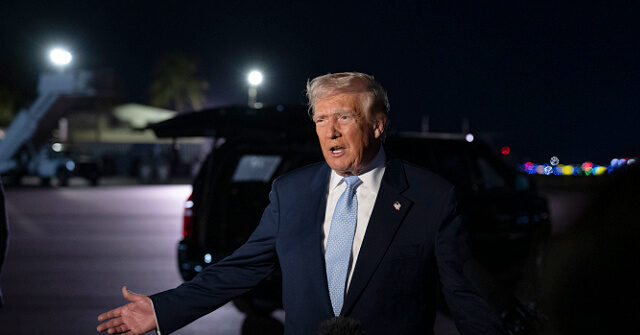
Trump Considers Military Action Against Iran Following High-Level Discussions
On Thursday, President Donald Trump indicated that a decision on potential military strikes against Iran will be forthcoming. This announcement follows extensive deliberations at the White House regarding the next steps in the ongoing conflict.
Speaking from the Oval Office, Trump suggested that additional strikes could be necessary to prevent Iran from reviving its nuclear weapons program. Despite this belligerent stance, the administration is also exploring the possibility of a diplomatic agreement with Tehran.
Decision on Strikes Imminent
“Now we will make a decision,” Trump stated, highlighting the urgency of the situation concerning Iran’s nuclear ambitions. He expressed a preference for avoiding further destruction but acknowledged that additional strikes might be unavoidable. “I would rather not destroy the rest of the country if possible, but maybe I’ll have to,” he remarked, indicating that a decision would be made soon.
Reinforcing his position, Trump pointed to ramped-up U.S. military readiness, saying, “If we have to do the rest of the Iran thing, we’re very much locked and loaded.”
Meeting with National Security Advisers
Trump’s comments followed a strategic meeting with his top national security advisers. This gathering marked their first discussions on Iran since the recent midterm elections. Senior officials revealed that these discussions included assessments of military options and responses to potential Iranian provocations.
Initially, Trump had deemed further military action unnecessary before the elections, but the current deliberations suggest that a renewed large-scale military campaign may be on the table, alongside economic sanctions and diplomatic negotiations.
Impact of Midterm Elections on Strategy
The impetus for renewed discussions comes on the heels of significant Republican setbacks in the midterm elections, which Trump attributed in part to rising gas prices linked to the Iran situation. He defended the ongoing U.S.-Israeli effort to deter Iran from acquiring nuclear weapons, asserting that the political repercussions were justified.
In contrast, Vice President JD Vance has emerged as a proponent of diplomatic solutions, arguing in a recent statement that the conflict with Iran contributed to the Republican defeat in the elections.
Diplomatic Efforts Intensify Amid Military Planning
While Washington re-evaluates its military posture, diplomatic engagements have escalated. Qatar is attempting to mediate discussions to restore navigational rights in the Strait of Hormuz and engage Iran on its nuclear program. Iranian Foreign Minister Abbas Araghchi has been active in dialogues with regional partners including Saudi Arabia and the UAE.
The New York Times reported that Iran is actively reviewing proposals for negotiations, a notable shift after weeks of reluctance to engage. Iranian officials have communicated demands concerning sanctions relief and the release of frozen assets as prerequisites for talks.
Challenges to Negotiations
Despite expressing a willingness to discuss a nuclear proposal through Qatari mediators, Iran maintains stringent conditions for any agreement. They demand U.S. compliance on various fronts, including the cessation of the naval blockade and compensation for losses incurred during the conflict.
Internally, there seems to be a divide among Iranian officials regarding the urgency for dialogue on nuclear issues, as some leaders privately acknowledge the potential benefits of engagement despite their public hardline stance.
Military Readiness Remains a Priority
This strategic backdrop has not deterred U.S. military planning. The USS Theodore Roosevelt carrier strike group is making its way to the Middle East, joining two other American carrier groups already in the region, which could signal preparations for renewed military action against Iran.
As tensions escalate, the U.S. Central Command is reportedly finalizing preparations for possible military operations, although no formal directive has been issued from Washington.
In the ongoing conflict, Trump remains adamant that Iran will not be able to advance its nuclear program without U.S. approval, asserting that the military holds a commanding position in the region.
As developments unfold, the geopolitical landscape regarding Iran’s nuclear ambitions and U.S. military readiness remains critical, with potential implications for global security in the coming weeks.




Discussion about this post