









Airline Response Protocols for Bomb Threats and Associated Costs of Diversions
Airlines adhere to specific procedures when confronting bomb threats, with their course of action depending on the credibility of the threat and the aircraft’s status—whether it is on the ground or in flight.
Joji Waites, the Director of Flight Safety at the British Airlines Pilots Association (BALPA), clarified on Thursday that any bomb threat received by an airline is evaluated by a designated team of assessors who determine its credibility.
Threat assessments are classified into three categories: “red” for credible threats, “amber” for partially credible threats, and “green” for non-credible threats. Notably, only “red” or “green” classifications are utilized for aircraft already airborne, according to Waites.
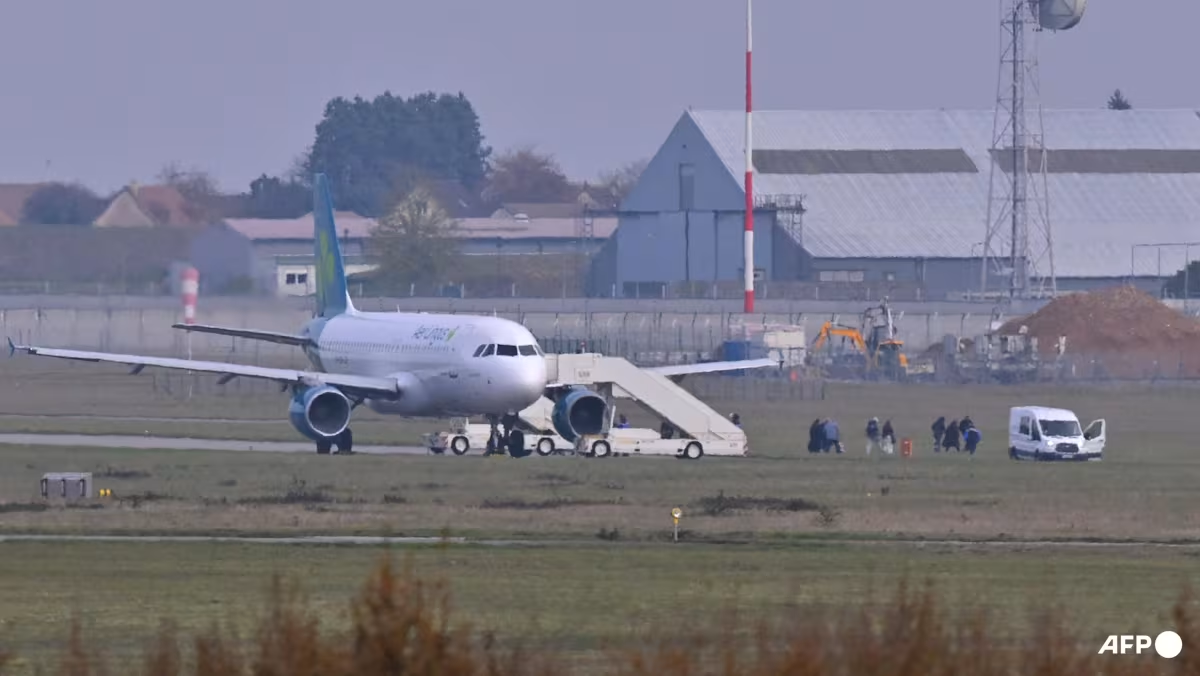
Upon identification of a credible threat, flight crews are alerted immediately, and the captain assumes command of operations, following a comprehensive safety checklist. If the aircraft is on the ground, this may necessitate the evacuation of passengers.
For flights that are airborne, the primary objective shifts to landing the aircraft as promptly and safely as possible. “Pilots are highly trained professionals, and their expertise is essential in ensuring passenger safety, maintaining aviation as one of the safest transportation methods,” remarked Waites.
Airlines, airport authorities, and law enforcement agencies typically follow protocols established by the European Union Aviation Safety Agency (EASA) and the International Civil Aviation Organization (ICAO), which also conduct audits to verify compliance with safety regulations.
The training received by flight crews includes realistic situational exercises designed to address a variety of threats, including the detection of explosives that could potentially have been smuggled onboard. In the event of a threat, airline employees are trained to maintain communication with the caller to extract as much pertinent information as possible, as noted by Baum.
This week, many threats were allegedly communicated via email, providing sufficient details for authorities to mandate inspections of affected aircraft.
The financial impact of such responses can be significant for airlines, especially when diversions are required, passengers need to be evacuated, or aircraft undergo thorough searches. According to Baum from Coventry University, the cost of diverting a flight due to an unruly passenger or a bomb threat can amount to approximately $250,000.
However, the costs may be reduced in instances involving short-haul flights, where the likelihood of incurring extra expenses related to overnight delays is minimized.







Discussion about this post