









Preserving History Through Art: An Interactive Installation in Birmingham
In the poetry of Wendell Berry, the lines “There are no unsacred places; / there are only sacred places / and desecrated places” resonate with crucial implications for historical preservation. A new interactive public art installation, The Sacred Ordinary, seeks to explore the question: what occurs when the act of preservation itself is threatened?
Introduction to The Sacred Ordinary
The Sacred Ordinary is a collaborative effort from 1504, a Birmingham-based production studio dedicated to impactful storytelling. In partnership with the National Parks Conservation Association, the initiative aims to safeguard U.S. national parks for future generations while engaging communities in dialogue about preservation.
Contextual Background
In early 2025, an executive order signed by President Trump mandated the removal of vital National Park Service signage that addressed topics like slavery, LGBTQ+ history, and climate change. This decision, which has implications for the narrative of American history, is compounded by significant cuts in park funding.
Birmingham’s historical Civil Rights District is recognized as a national monument. This area once served as the backdrop for significant events in the Civil Rights Movement, where activists such as Fred Shuttlesworth, Martin Luther King Jr., and Ralph Abernathy organized peaceful protests against segregation until the 1960s. Notably, the tragic bombing of the Sixteenth Street Baptist Church resulted in the loss of four young Black girls’ lives.
Concept and Installation Features
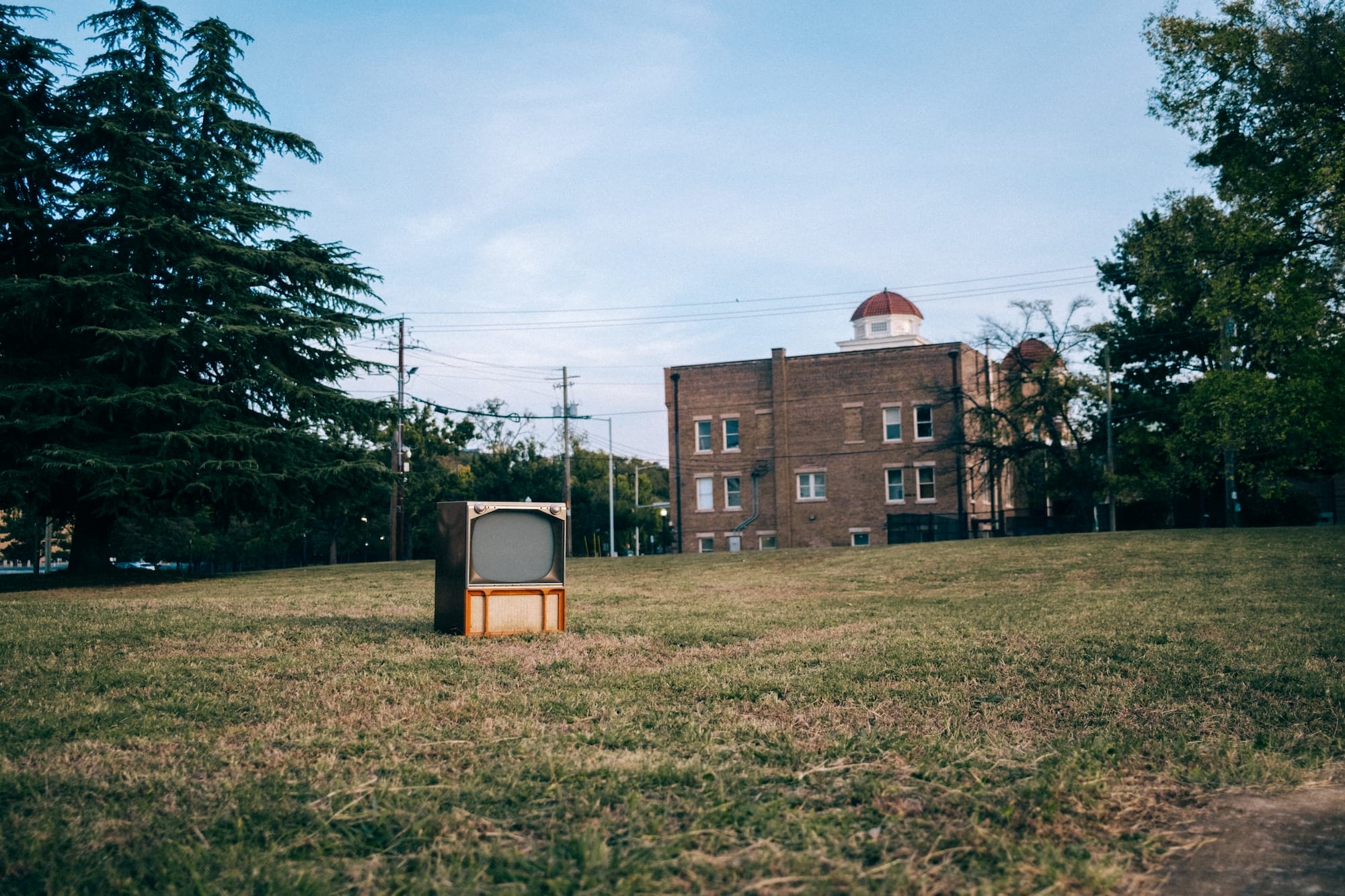
The Sacred Ordinary celebrates the fundamental freedoms many take for granted, from shopping and education access to public transportation rights. This exhibition is available to the public day and night but transforms after sunset, where vintage, everyday objects become illuminated. By day, items like an old television, a vintage newspaper vending box, a blue USPS mailbox, and a telephone booth sit innocuously, encouraging pedestrians to reflect on their significance.
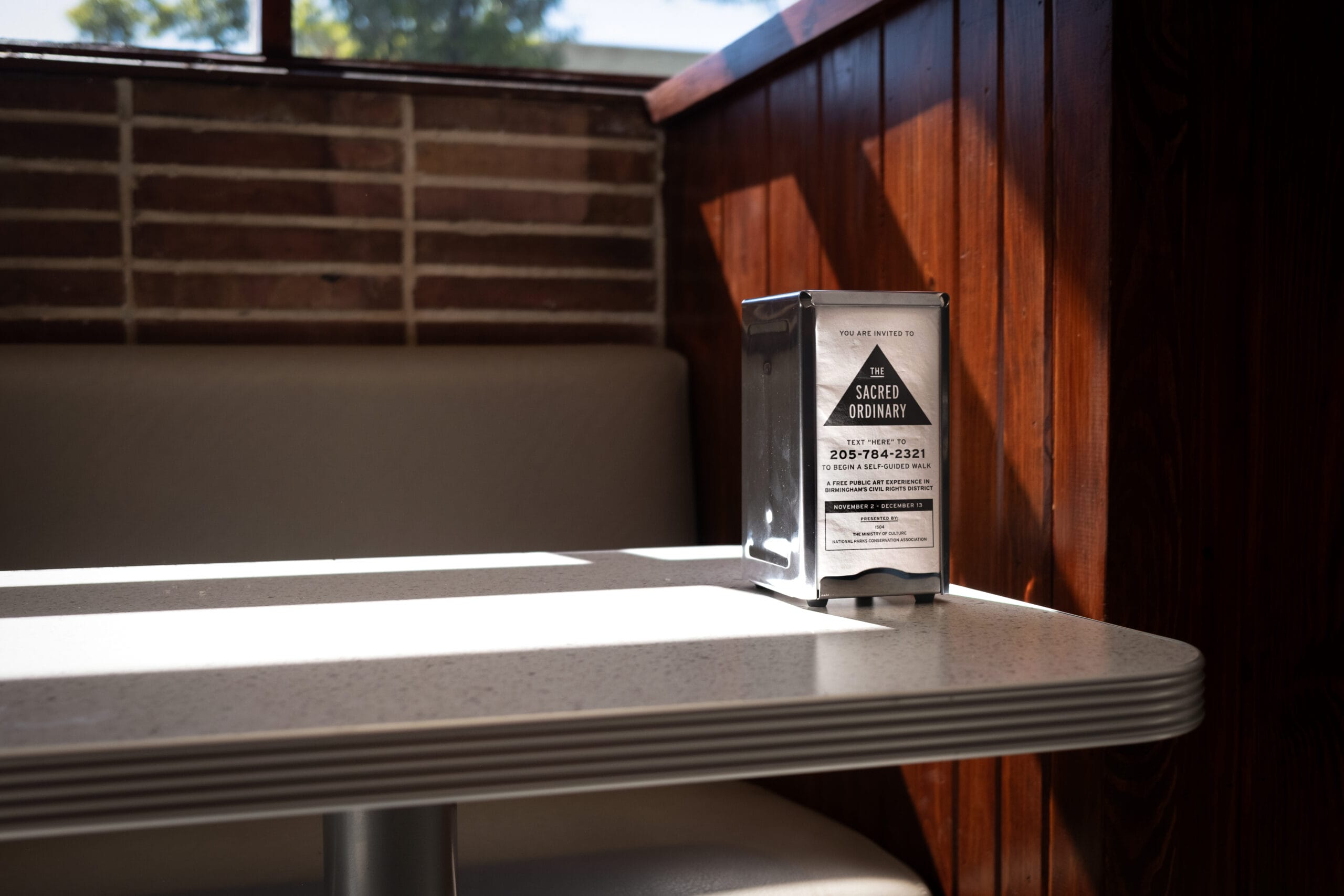
To engage with the installation, participants can text a number found on flyers throughout the district, which guides them to a specific starting point marked by a common yellow fire hydrant.
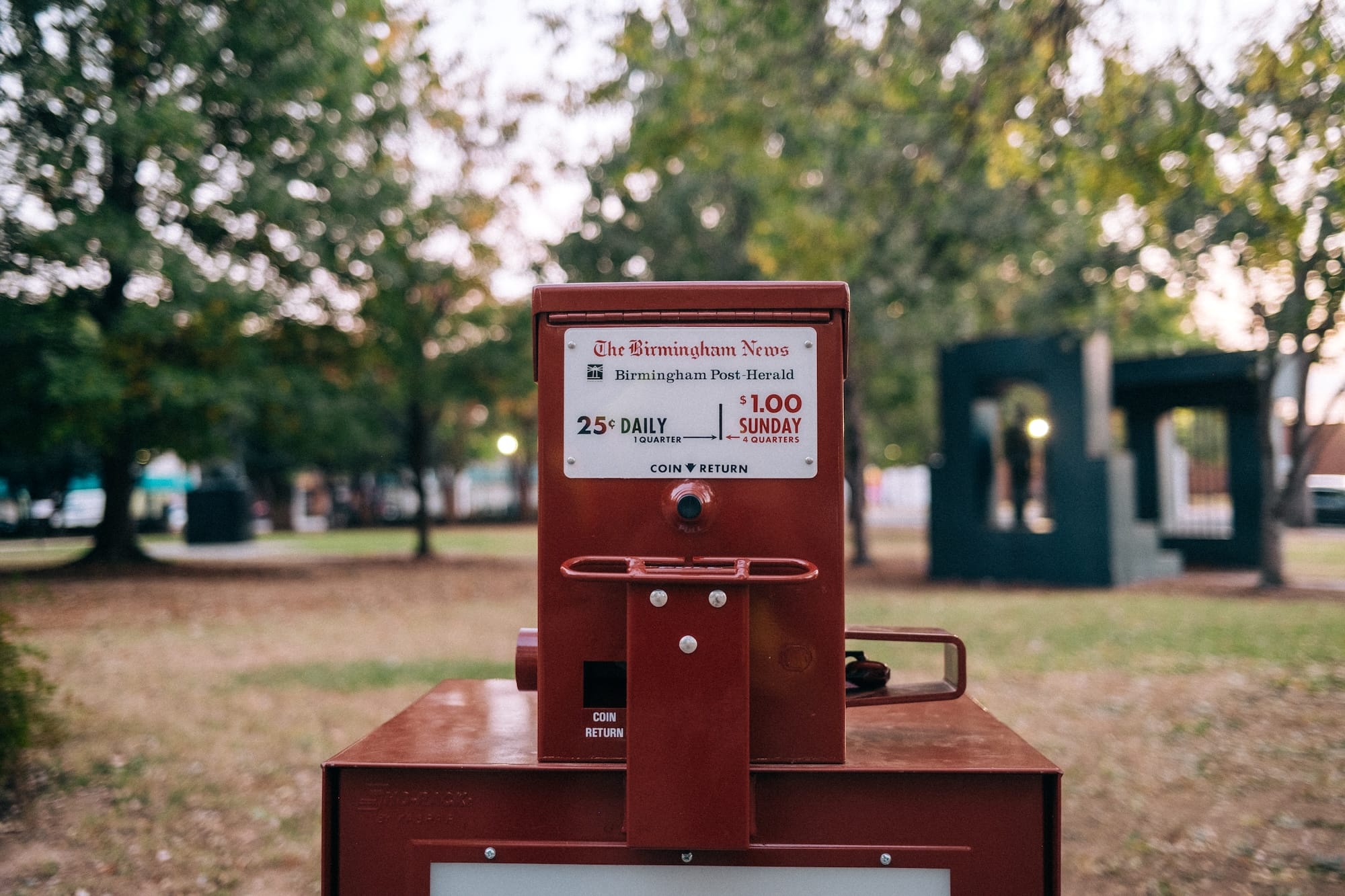
In a scavenger-hunt format, visitors can input the year stamped on select objects and, if it falls between 5 and 8 p.m., receive multimedia prompts that lead them through an extraordinary self-guided tour of Birmingham’s Civil Rights District. As night falls, the objects glow, enhancing the narrative of the place.
The Importance of Community Engagement
“Birmingham, Alabama, is known around the world for its significant civil rights sites, regarded as sacred spaces that link us to larger historical narratives. Today, however, these memories face danger,” 1504 articulated in a statement. “Aging infrastructure, the loss of historical figures, and federal efforts to erase historical narratives raise a pressing question: if institutions cannot sustain history, what role can the public assume in maintaining these sacred sites?”
The Sacred Ordinary deviates from a sole focus on signage, spotlighting objects emblematic of civic life in the mid-20th century. This approach allows younger generations to engage with a history that may feel removed from their present experiences, challenging them to confront the collective memories tied to communication and organization before the technological boom.
Concluding Insights
The installation begins with a narration from actor André Holland, known for his contributions to preserving a historic theater in nearby Bessemer, Alabama. This project is dedicated to local artist Joe Minter and will run nightly until December 13. Additionally, guided walks and interactive programs accompany the exhibition. To learn more and explore 1504’s projects, visit their website or follow them on Instagram. Interest may also extend to The Praise House, directed by Tyler Jones.







Discussion about this post