









FAA Faces Unprecedented Flight Disruptions Due to Technical Malfunction
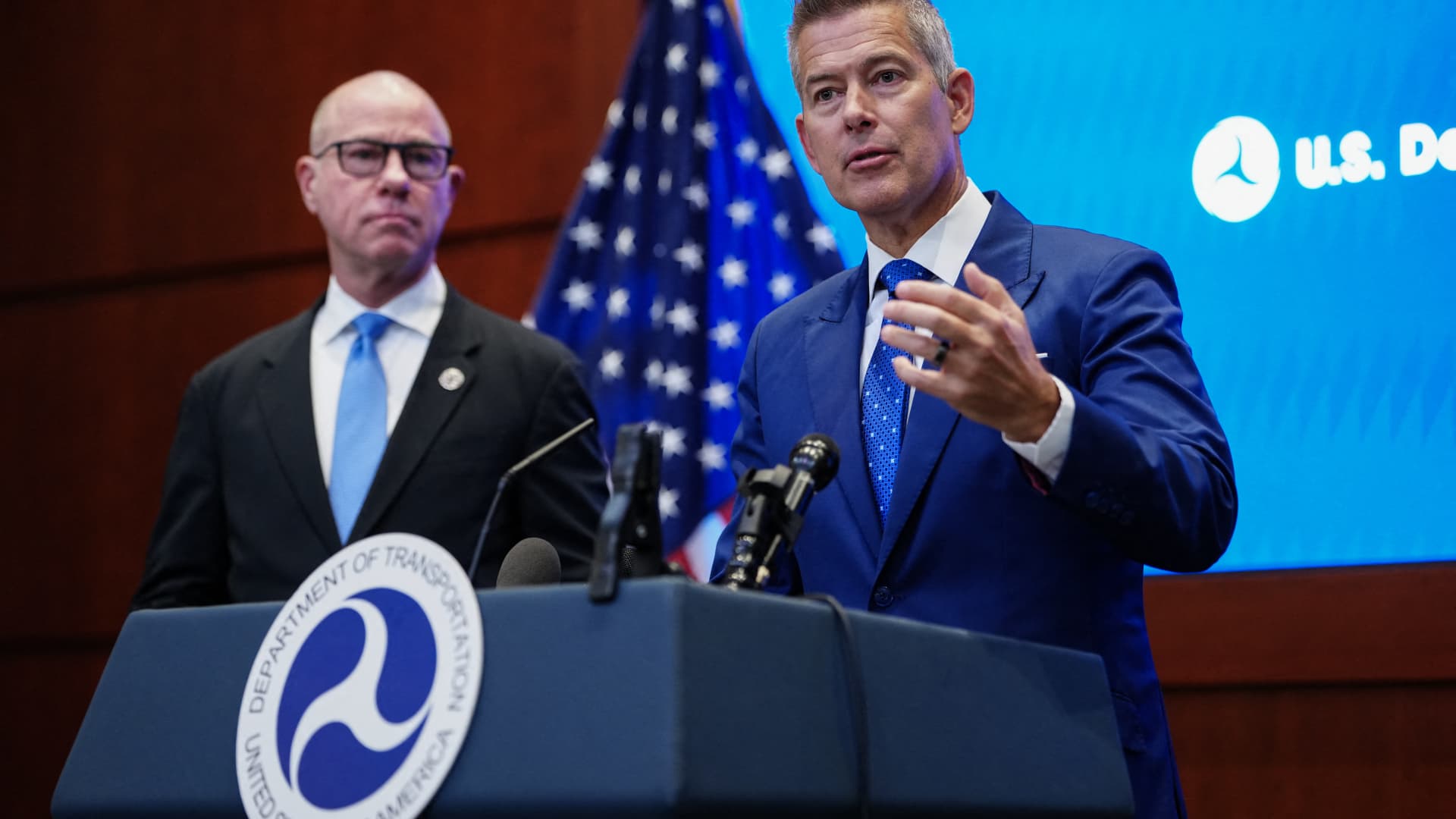
U.S. Transportation Secretary Sean Duffy, alongside FAA Administrator Bryan Bedford, addressed the media on November 14, 2026, revealing that a significant telecommunications update caused the longest suspension of flight departures since the September 11 attacks.
The halt, which affected hundreds of thousands of travelers, arose from complications with a system overseen by contractor L3Harris Technologies. Duffy emphasized that investigators found “zero evidence” of malicious intent or AI-related issues.
The malfunction stemmed from ongoing upgrades transitioning from copper wiring to fiber optics in at least one remote location. A router overwhelmed the air traffic control system by sending over 1,000 connection attempts every five seconds, disrupting aircraft communications and radar feeds.
This incident has raised further concerns regarding the aging infrastructure of U.S. air traffic control, emphasizing the challenges faced in maintaining and replacing vital systems while managing the world’s busiest airspace.
“We are investigating whether incompetence or a faulty installation by L3Harris contributed to this issue,” Duffy stated. L3Harris confirmed their cooperation with the FAA in determining the cause of the November 13 ground stop across the nation’s air travel.
The company has reported that over 70% of the transition to fiber systems has been completed.
Duffy mentioned that this situation could unlock opportunities for more funding from lawmakers to modernize air traffic infrastructure.
Bedford clarified that no FAA facilities lost power, yet officials deemed it necessary to ground flights due to “instability” in information feeds crucial for high-altitude aircraft control. He stated there was uncertainty for about 45 minutes regarding the nature of the instability.
Flight Disruptions Escalate
The effects of the ground stop lingered into Saturday, with nearly 6,500 cancellations and over 8,000 delays reported by 9 p.m. ET, as documented by flight-tracking service FlightAware. This followed a tumultuous Friday, which saw more than 9,000 cancellations—offsetting a third of the routine flight schedule—and approximately 7,000 delays, some attributed to adverse weather conditions.
Data from aviation analytics firm Cirium indicated that Friday recorded the second-highest number of flight cancellations since a severe winter storm earlier in the year.
Passengers navigate through New Jersey’s Newark Liberty International Airport following the FAA’s lift of a nationwide ground stop due to air traffic communication failures on November 14, 2026.
Eduardo Munoz | Reuters
Logistical Challenges and Airline Responses
The ground stop complicated the logistics of moving aircraft, leading to diversions and limited gate space for stranded planes unable to depart. Airlines implemented lighter schedules on Saturday, employing spare aircraft and personnel in an effort to accommodate travelers and improve operational efficiency ahead of the busy Thanksgiving holiday.
Incentives for Flight Crews
To address the staffing shortages induced by the disruptions, American Airlines is incentivizing flight attendants with extra pay to take on additional trips. Similarly, Delta Air Lines is offering double pay to its crews, while United Airlines is also providing incentives for pilots and attendants through the weekend.
Airlines, including American, have stated they will allow customers affected by the outage to rebook without additional fees or fare differences and will cap certain ticket prices. Approximately 3 million individuals were scheduled to fly on that Saturday, according to Cirium. The FAA initiated the ground stop at 4 p.m. ET on Friday—a delay lasting over four hours, marking the longest suspension of flight operations in 25 years.
Infrastructure Concerns at the Forefront
Secretary Duffy attributed the disruptions to the outdated state of U.S. infrastructure, asserting that congressional approval for increased funding is essential for modernizing air traffic control systems. Aging equipment and a shortage of air traffic controllers have long been points of frustration for airline executives, who have consistently raised concerns about resultant operational disruptions.
Remarkably, this event represents only the second nationwide ground stop issued by the FAA since the September 11, 2001, terrorist attacks, with officials indicating no indication of a cyberattack.
The disruption significantly affected travel plans for various sports teams, including NBA and NHL franchises, complicating their movements for scheduled games this weekend.
Impact on College Sports
Duffy suggested that college teams traveling via charter flights might be prioritized for rescheduling. The Southeastern Conference announced on social media that several games would be moved to Sunday in light of the travel disruptions.
The NFL is also adjusting to the situation, allocating backup referees for games on Sunday due to the ground stop, with officials being reassigned to nearby games.









Discussion about this post