





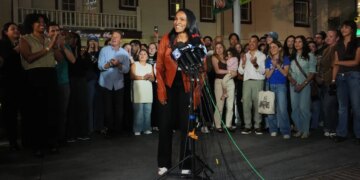




Human Cost of War Continues to Rise in Ukraine
BENGALURU, India, November 12 (IPS) – Four years following Russia’s full-scale invasion of Ukraine, the human toll of the ongoing conflict is steadily increasing. While the global community remains focused on tactical developments and geopolitical ramifications, countless Ukrainian women and children endure the profound burdens imposed by a war that has irrevocably altered their lives.
The Role of Women in the Conflict
Oleksandra Matviichuk, a prominent Ukrainian human rights lawyer and Nobel Peace Prize laureate, has dedicated herself to documenting the human cost of the war. As the Head of the Centre for Civil Liberties, she highlighted that Ukrainian women continue to endure excessive sacrifices to ensure their children can grow up free from Russian aggression.
In this turbulent landscape, women have taken on crucial humanitarian roles, supporting displaced individuals and ensuring communities receive essential services. This involvement often necessitates stepping into roles traditionally occupied by men who are either serving in the military or have lost their lives in the conflict.
Heightened Vulnerabilities Amidst the War
Despite their indispensable contributions, the war exacerbates the vulnerabilities faced by women and girls, increasing their exposure to gender-based violence, poverty, internal displacement, and psychological trauma. Furthermore, women-led NGOs, which play a vital role in providing essential services, face significant funding challenges as needs rise.
Matviichuk emphasizes that the implications of the conflict transcend humanitarian crises; they signify a broader struggle between democratic and authoritarian systems. She contrasts the freedoms experienced by Ukrainian women with the oppressive conditions faced by women in authoritarian regimes.
The Impact on Ukrainian Children
Children have been disproportionately affected, with many displaced, separated from family, or subjected to the horrors of ongoing violence. They live in a perpetual state of uncertainty, marked by air raid alerts and the loss of loved ones.
According to Matviichuk, the long-term psychological impact of prolonged exposure to such instability is severe, as trauma can trap individuals in their past, leaving them without hope for the future. Families now grapple with a fundamental lack of security, as they lay down at night uncertain if they, or their children, will see another dawn.
The Resilience of Children’s Dreams
Yet, Matviichuk notes a flicker of hope: when children begin to dream again. Collaborating with mental health professionals, she gathered insights into the dreams of Ukrainian children, highlighting not only the devastating effects of war but also the simplicity of their aspirations.
Some children yearn to return to physical classrooms instead of remote learning, while others wish to honor their deceased parents through accomplishments like becoming athletes or inventors. Echoing these sentiments, one child articulated a simple yet profound desire for familial stability: “I dream that my grandmother, my best friend Misha, and my dog would be alive.”
Children Under Occupation
Matviichuk raises crucial concerns regarding the fate of Ukrainian children living under Russian occupation. Reports indicate systematic measures aimed at erasing Ukrainian identity through controlled education and cultural erasure, such as the use of Russian textbooks and military indoctrination.
The implications of this are alarmingly far-reaching, as these children may be coerced into service for the Russian military in the future. Matviichuk warns that this is not merely a human rights issue; it poses a significant security threat.
International Response Needed
The urgency for an international response to protect these vulnerable children, facilitate family reunification, and preserve their cultural identities is paramount. Humanitarian disaster is further complicated by the uncertain trajectory of international peace discussions. While there may be diplomatic progress, the adequacy of these negotiations in addressing the needs of affected populations remains in question.
Matviichuk advocates for sustained pressure on Russia through international sanctions, alongside humanitarian initiatives aimed at empowering women’s organizations and providing necessary support services. The focus should extend to prosecuting war crimes, reclaiming abducted children, and securing the release of unlawfully detained individuals.
A Long Path to Recovery
As the war continues, women and children endure far more than physical destruction; they need restoration of their dignity and the opportunity for active participation in the rebuilding of their nation. Matviichuk asserts that the lasting consequences of the war will affect generations to come, necessitating long-term support for those who have lost so much.
The challenge lies not only in the speed of Ukraine’s recovery but in the commitment of the international community to invest in a future where children and women can thrive without fear.
The Right to Dream
A sustainable peace must ensure more than just the cessation of hostilities; it must guarantee justice, accountability, and respect for human dignity. Most critically, it must restore to Ukrainian children the right to dream of a hopeful and secure future.
Sania Farooqui is an independent journalist and host of The Peace Brief, a platform dedicated to amplifying the voices of women in peacebuilding and human rights.
IPS UN Bureau Report



© Inter Press Service (20261112075205) — All Rights Reserved. Original source: Inter Press Service






Discussion about this post