









Launch of Southeast Climate Digest: A Focus on Animal Producers’ Challenges
This article marks the inaugural issue of the Southeast Climate Digest, supported by the USDA Southeast Climate Hub. Subscribe here for future updates.
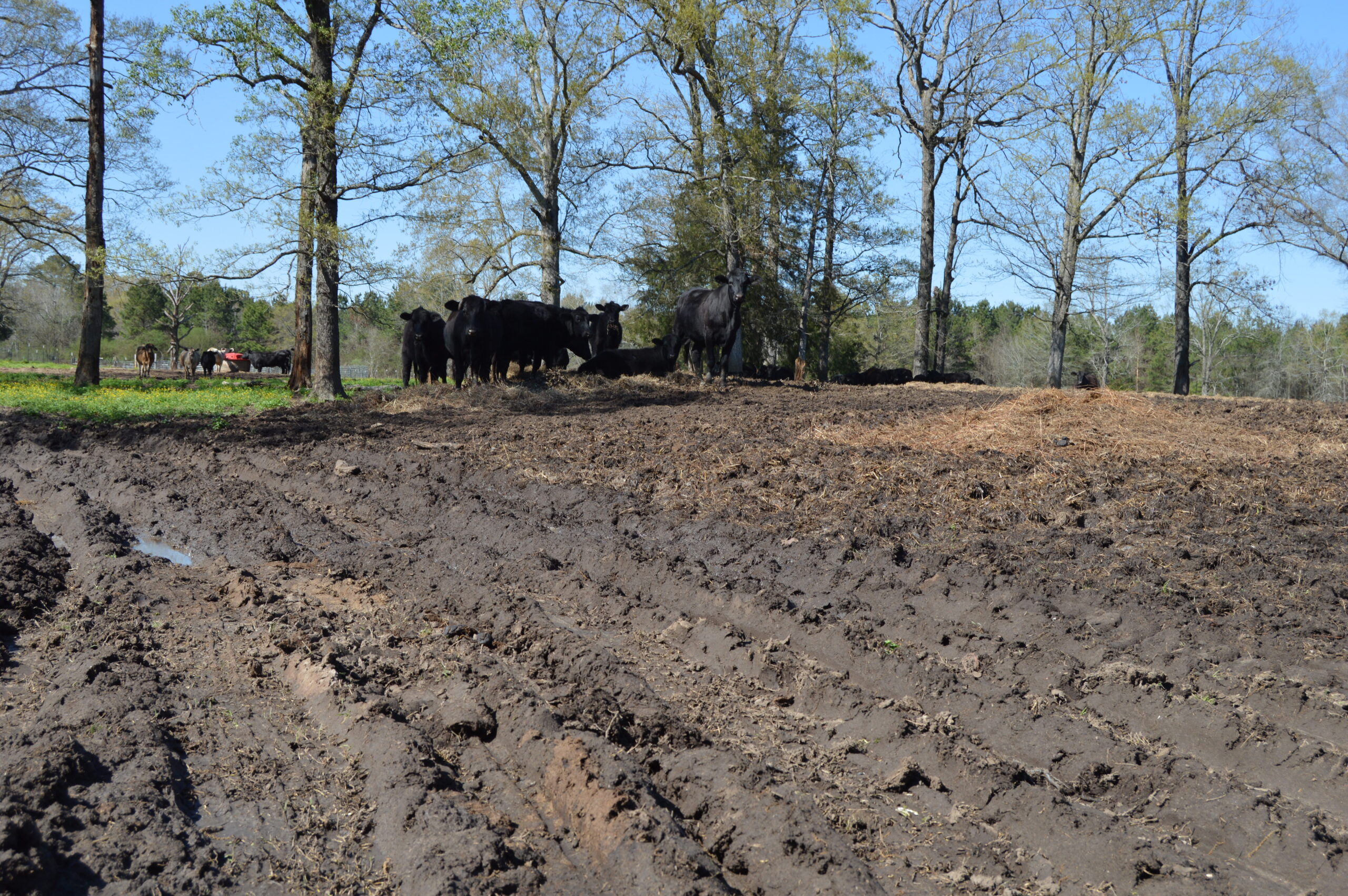
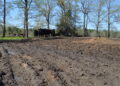
Animal producers across the Southeastern United States have faced an exceptionally challenging year, marked by a prolonged drought, damage from hurricanes in certain areas, and widespread financial strain in the agricultural sector.
Despite the hardships experienced over the past year, there is a glimmer of hope. The winter season is expected to bring opportunities for recovery and improve conditions for livestock production moving into 2027.
In this first edition of the Southeast Climate Digest, we will examine the winter weather forecast and its potential implications for pastures and livestock in the upcoming months.
Understanding the Current Situation
The ongoing drought has been developing for over a year due to a combination of unfavorable weather patterns and insufficient rainfall. This dry spell began in the fall of 2025 when the region experienced a notable lack of tropical rainfall.
Last winter, the La Niña phenomenon altered the storm track northward, resulting in reduced precipitation across the Southeastern states. The winter concluded as the second-driest on record in Arkansas, the fifth-driest in Mississippi, and the sixth-driest in Tennessee, with states across the region recording deficits of more than 3.75 inches.
Spring brought a summer-like weather pattern characterized by persistent high-pressure systems, resulting in unseasonably warm and dry conditions. By late April, over half of the Southeast was classified as experiencing Extreme (D3) or Exceptional (D4) Drought, marking the most extensive coverage since the US Drought Monitor’s inception in 2000.
Although there were localized heavy rain events, including severe thunderstorms in southern Mississippi and Hurricane Isaias, these were often preceded and followed by dry spells that allowed drought conditions to persist. As of November 15, significant year-to-date rainfall deficits were reported across major cities, indicating a potential for one of the driest years on record in several locations.
Livestock producers have notably felt the repercussions of the drought, with last year’s dry conditions delaying pasture planting and leading to poor pasture quality in multiple states. By late October, a substantial percentage of pastures were categorized as being in poor condition, prompting some producers to resort to feeding stored hay prematurely or even reducing their herds.
Current Weather Patterns and Future Predictions
This fall, high-pressure systems have dominated the region, effectively blocking storm systems and maintaining dry and warm conditions. Florida has experienced some moisture, but the expectation is that this pattern may extend northward, thanks to the anticipated “super El Niño,” which is projected to peak this winter.
El Niño, characterized by elevated sea surface temperatures in the equatorial Pacific, is currently more than 2°C above average. Historically, very strong El Niño events have led to wetter winters in the Southeast, with notable records set in previous years.
The National Oceanic and Atmospheric Administration (NOAA) anticipates a minimum 50% chance of above-average winter precipitation across much of the Southeast, with even higher probabilities in parts of Georgia and Florida. While temperatures are expected to trend above normal in the northern parts of the region, variability will persist throughout the season.
Forecast models indicate coastal areas may experience increased precipitation in the coming months, although some inland regions could remain dry. The winter could present a clash between prevailing high-pressure systems and an active El Niño-influenced storm track.
Potential Impacts on Livestock Production
If high-pressure systems dominate into December, the drought conditions could worsen, causing additional delays in pasture planting and limiting winter grazing opportunities. Conversely, if widespread rainfall occurs, it may stimulate pasture growth but could also lead to complications, such as inadequate root development in seedlings if followed by dry weather.
Furthermore, heavy rainfall could result in soil erosion and nutrient loss, complicating pasture recovery. While water levels in irrigation ponds are likely to improve, water quality could be compromised due to runoff contamination.
Historically, strong El Niño winters have seen significant rainfall, which may increase the risk of flooding and associated damage to crops and livestock. Prolonged wet conditions could also lead to higher energy demands for livestock due to thermal stress, particularly for those without adequate shelter.
Preparation Strategies for Producers
Livestock producers should brace for the challenges this winter may present, whether wet or dry. Practical strategies include evaluating forage supplies, clearing drainage ditches, and assessing stocking rates for animals. The USDA Southeast Climate Hub’s drought forage guide offers valuable insights for managing grazing during dry spells.
Producers are also advised to monitor pasture conditions and soil quality following the first significant rainfalls to ensure optimal growth conditions. Implementing rotational grazing practices and utilizing well-drained areas can help minimize damage during wet periods.
Preparation is key in these uncertain times. Producers should audit their infrastructure and develop contingency plans for transportation and resource allocation in case of extreme weather events. Engaging with local agricultural programs and resources, such as the USDA’s Livestock Forage Disaster Program, can provide additional support during challenging conditions.
As a record-strength El Niño approaches, the Southeast faces potential challenges and opportunities. By implementing proactive management and preparation strategies, livestock producers can navigate the complexities of the upcoming winter and mitigate the impacts of whatever weather conditions arise.
Animal producers in the Southeast, or those who work alongside them, are encouraged to participate in a feedback survey to enhance future editions of the Southeast Climate Digest.




Discussion about this post