









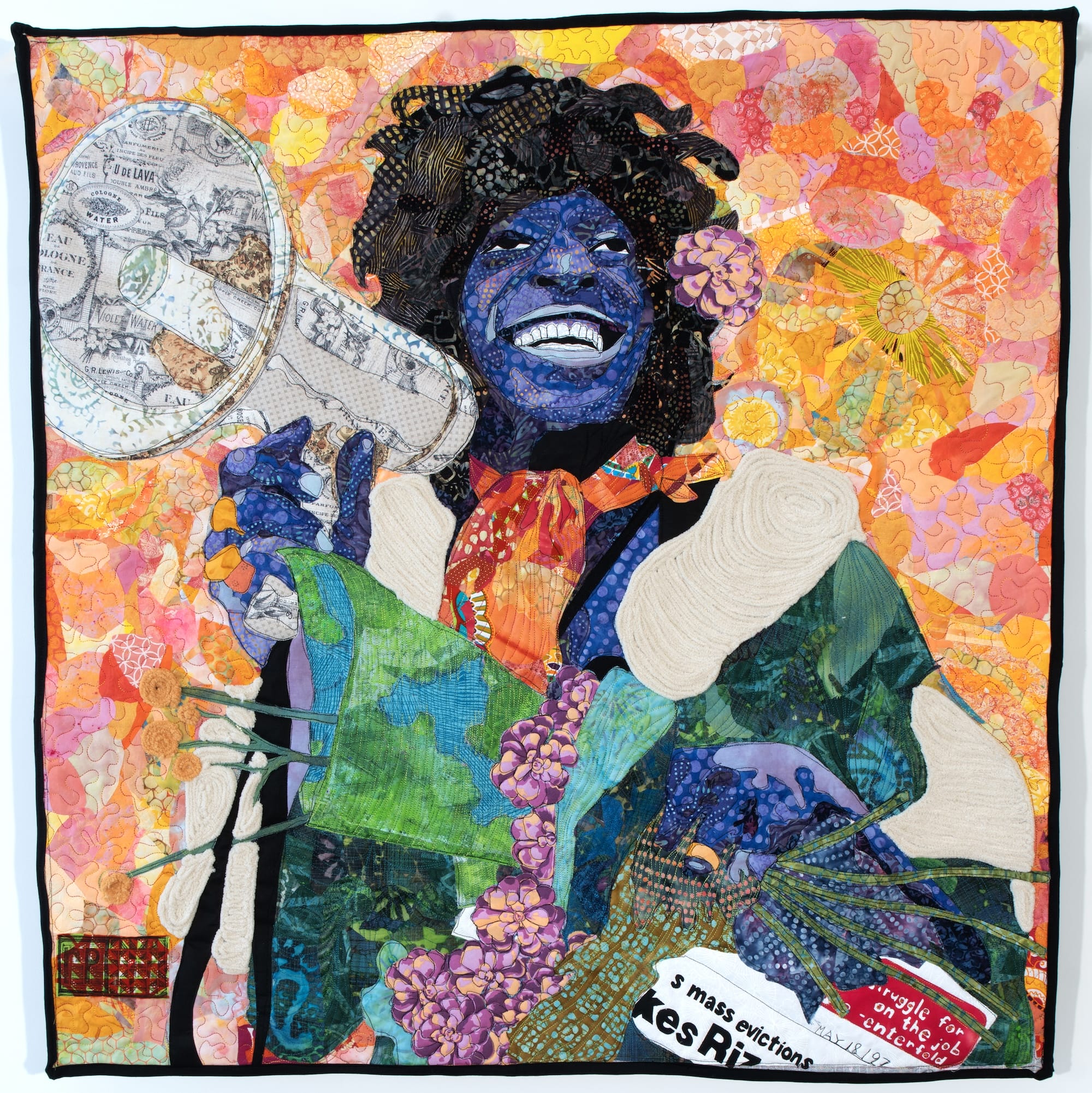
The Legacy of the Stonewall Uprising: A Tribute through Quilting
In the early hours of June 28, 1969, a police raid at The Stonewall Inn in Manhattan’s Greenwich Village ignited a pivotal moment in LGBTQ+ history. This establishment, a sanctuary for the LGBTQ+ community during a time when societal acceptance was rare, became the focal point of a riot as police struggled to control the crowd. The ensuing chaos marked the beginning of the Stonewall uprising, a series of protests that would significantly advance the fight for LGBTQ+ rights.
Marsha P. Johnson: A Pioneering Advocate
At the forefront of this movement was Marsha P. Johnson, a Black transgender woman known for her vibrant personality and unwavering commitment to social justice. Affectionately referred to as The Saint of Christopher Street, Johnson was a prominent advocate for the rights of gay and transgender individuals, as well as those affected by HIV and AIDS. Her legacy continues to inspire activists and artists alike.
A Celebration of Art and Activism
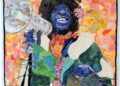
In honor of Johnson’s enduring influence, artist Rosy Petri has created a stunning textile piece titled The Saint of Christopher Street Marsha P. Johnson, featured in the exhibition We’re Still Here: Quilted Works Curated by Carolyn Mazloomi at Claire Oliver Gallery. This exhibition showcases the works of 15 contemporary quilt artists, highlighting the contributions of the Women of Color Quilters Network (WCQN), founded by historian Carolyn Mazloomi in 1985.
Innovative Quilting as Art
The exhibition challenges traditional notions of quilting, showcasing pieces that transcend simple bed coverings. The artists employ a wide variety of materials and techniques to create works that reflect deep narratives and cultural histories. For instance, L’Merchie Frazier’s piece, Climate Change in my Head: Afro Future Still Here, features a watercolor-like quality, while Alita Aldridge’s Underground Takes a Village underscores the collective effort required for the Underground Railroad’s operation.
Powerful Themes and Portraits
Throughout the exhibition, bold portraiture emerges as a recurring theme. Viola Burley Leak’s artwork, Maya Angelou II, captures the essence of the iconic writer and civil rights activist, surrounded by symbols of her impactful work, such as a bird escaping an enclosure, a reference to her autobiography, I Know Why the Caged Bird Sings.
Preserving Black History through Quilting
Carolyn Mazloomi emphasizes the significance of these artistic expressions in preserving Black history. “This exhibition is our way of asserting that our history cannot be erased by any politician or revisionist force,” she states. “Our work will always highlight the creativity, courage, and resilience of our community. Black history is American history.”
Exhibition Details
We’re Still Here will be on display through January 7 in Harlem. Additionally, interested audiences may explore Chronicle Books’ recent publication, Stories in the Seams: A People’s History of Black Quilts and Their Makers, for further insights into this rich artistic tradition.





Discussion about this post