









Kyiv Faces Commute Challenges Amid Ongoing Conflict
In Kyiv, the morning commute has become a test of patience for many residents. One individual reported spending three to four hours traveling, while another expressed a mix of frustration and optimism about the situation. A local woman noted the need to wake up significantly earlier to cope with the severe traffic congestion and delays in public transportation.
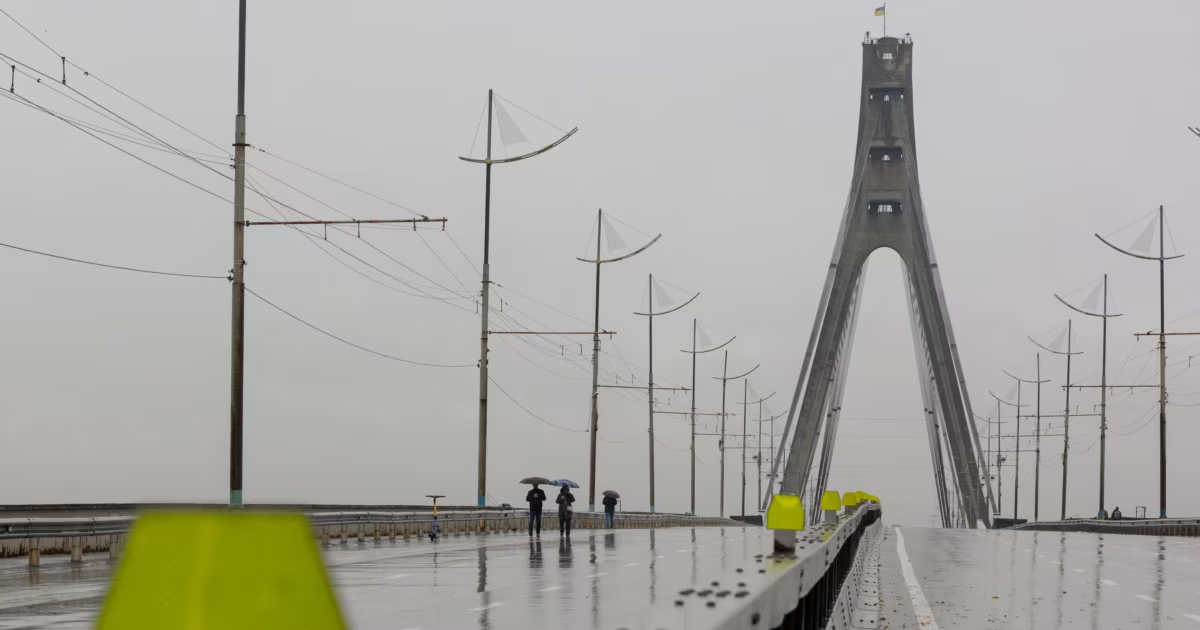
Divided by the expansive Dnieper River, Ukraine’s capital relies on seven vital road and rail bridges that connect its 3 million residents, facilitating their daily lives even amidst the ongoing war. However, since early October, Russian forces have intensified their attacks on these critical infrastructures, heightening fears as the city prepares for a challenging winter due to systematic strikes on Ukraine’s power and heating systems.
This week, the situation has escalated, with bridge access limited to public transport, including buses and subway trains. Following a series of missile strikes on November 20 that damaged two bridges, Mayor Vitali Klitschko announced the complete closure of one bridge, resulting in at least eight fatalities.
Authorities Seek Alternatives Amidst Infrastructure Threats
In response to the escalating threat, city and national officials are urgently developing alternative transit routes to ensure the mobility of residents, emergency services, and supply chains. Mykola Kalashnyk, Ukraine’s Minister of Transport and Infrastructure, revealed plans to establish 21 combined water crossings, with work already underway in the capital.
Despite these efforts, residents express frustration at the perceived lack of foresight from city officials regarding the potential disruption of river crossings during wartime. One unnamed resident criticized the administration’s failure to prepare for such scenarios, lamenting, “In a time of war, they didn’t even anticipate that a situation like this could arise.” She emphasized the urgent need for infrastructure improvements over recreational projects, stating, “What we need is more infrastructure so people can get to work without problems.”
The Dnieper River: Challenges and Solutions
The Dnieper River, while wide, poses unique challenges due to its shallow depth and tendency to freeze during harsh winters, complicating engineering solutions. Although there are numerous bridges, access to the riverbanks remains limited. One proposed solution involves the construction of floating pontoon bridges to facilitate traffic across the river.
However, establishing such bridges requires extensive groundwork, including embankments to anchor them. Initial construction efforts have already encountered setbacks, as river currents have washed away some of the preparatory work, according to Anna Minyukova, a bridge and transport tunnel engineer. She highlighted that the rush to expedite the project has led to a lack of formal design, suggesting that the projected timelines for completion are overly optimistic.
Additionally, officials are exploring the possibility of deploying high-speed hydrofoils to transport people across the river. Yet, this plan also hinges on the creation of new supporting infrastructure, which presents its own set of challenges. With a capacity of only about 80 passengers each, these vessels would struggle to accommodate current bridge traffic, and their high fuel consumption raises further economic concerns.

Long-Term Solutions: Tunnels and Infrastructure Development
Another potential solution under consideration is the construction of tunnels beneath the Dnieper. Currently, the city’s subway system features two lines that cross the river, but they rely entirely on bridges. Officials have identified five potential tunnel locations and are in discussions with a U.S. company interested in the project.
However, the financial and practical challenges are substantial. Vitaliy Selyk, co-founder of a charity focused on rebuilding war-torn areas, noted that tunneling projects could take three to six years under optimal conditions, requiring significant funding and stability in the security situation. “Would any civilian construction worker want to work at a site that’s constantly under fire?” he questioned.
Some residents, tired of traffic jams and overcrowded public transport, are opting for a more straightforward solution: walking across the bridges. One local named Serhiy shared his intention to seek employment on the eastern bank to avoid crossing the river altogether. Another resident joked about using sled dogs if winter conditions worsen, reflecting the resilience and adaptability of Kyiv’s citizens amidst ongoing challenges.










Discussion about this post